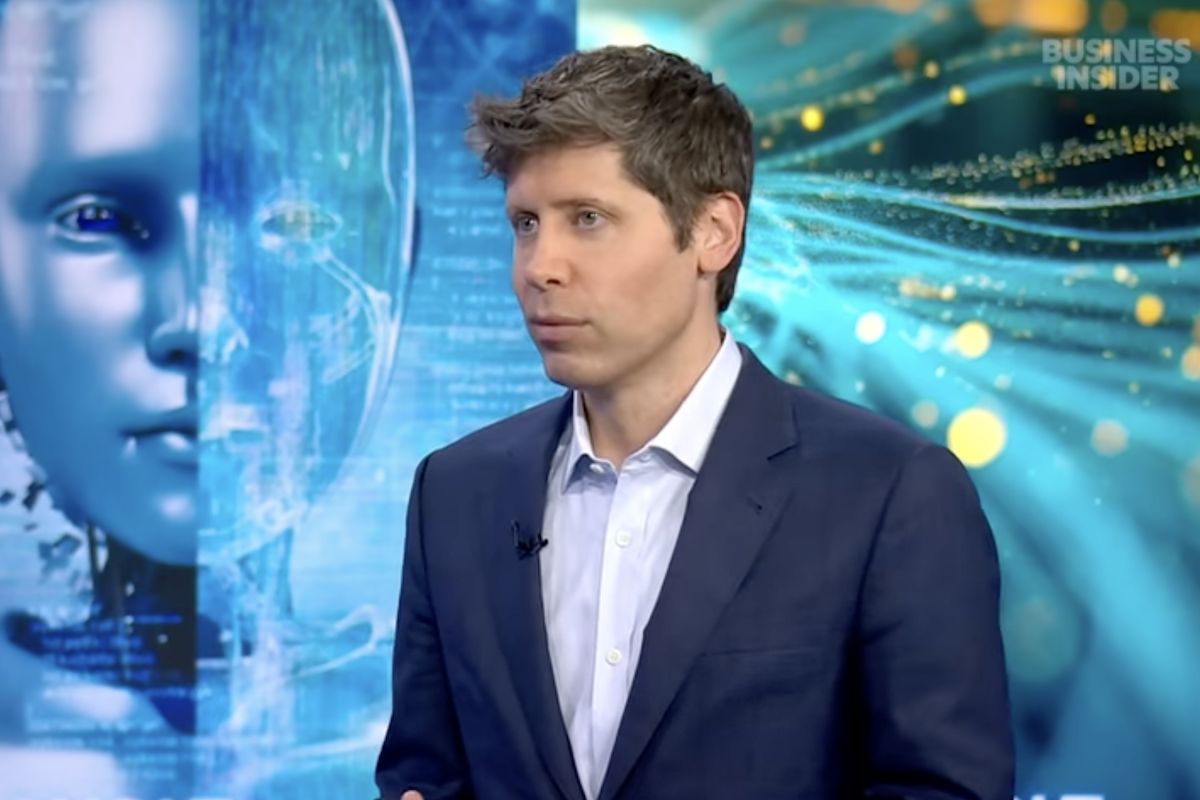
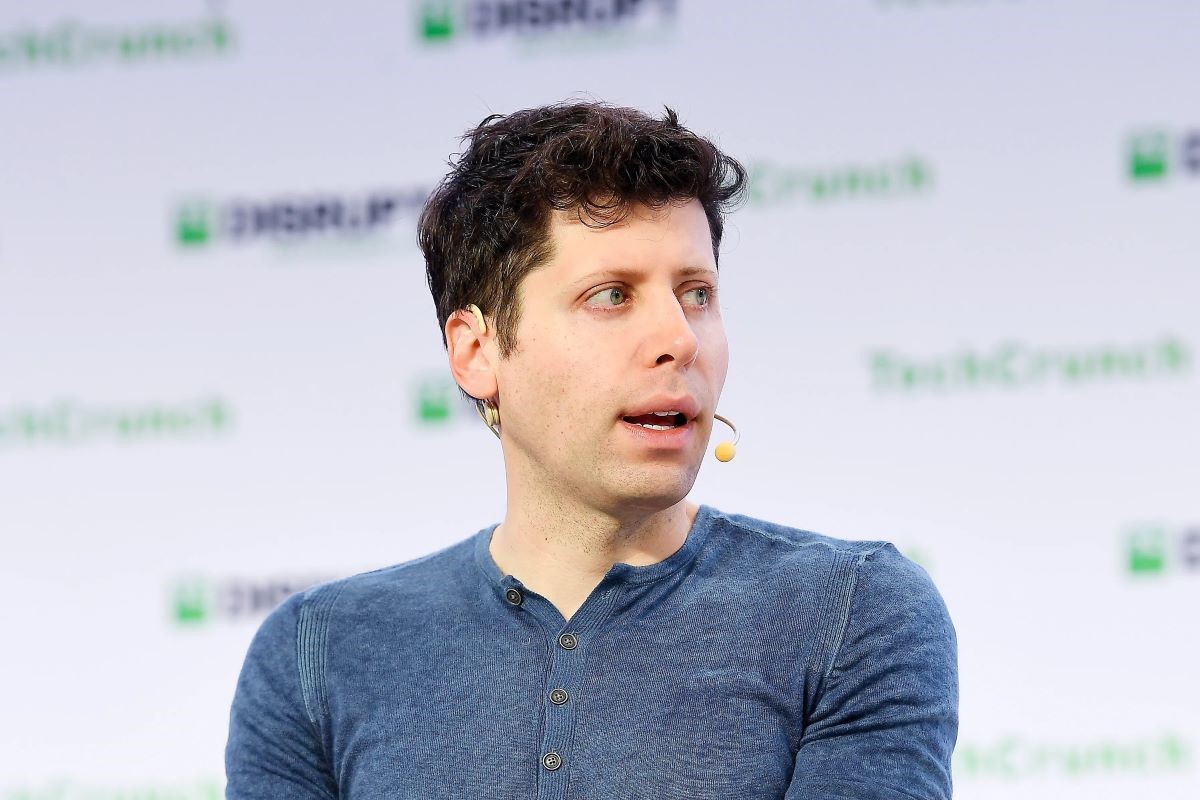
 OpenAI CEO Sam Altman sent ripples across social media last week when his offhand remark revealed the shocking cost of adhering to AI etiquette. The controversial revelation came as a response to a user on social media platform X, who wrote, “I wonder how much money OpenAI has lost in electricity costs from people saying please and thank you to their models.” The tech billionaire replied, “Tens of millions of dollars well spent.” Then he added, “You never know.”
A seemingly innocent exchange was immediately picked up by major media outlets and lead to wide-ranging speculations about the “eye-watering” costs of questionable courtesies.
The thinking behind the concern goes like this: being nice to your chatbot forces it to reciprocate with longer replies, resulting in additional costs and negative impact on the environment.
For example, when AI writes a short paragraph or an email, it consumes approximately 0.14 kilowatt-hours (kWh) of energy — enough to keep 14 LED bulbs lit for one hour, according to the New York Post.
Love reading and writing? Submit a post to our blog.
But it doesn’t stop there. Our misplaced politeness also adds to OpenAI’s water bill because water is used to cool the servers that power large language models (LLMs) behind ChatGPT. Quartz reported that using GPT-4 to generate 100 words consumes up to three bottles of water, according to a study from the University of California, Riverside.
However, a TechSpot piece questions the math behind Altman’s comment. It states that saying “please” and “thank you” to your chatbot “translates to about $400 a day or $146,000 a year,” which is “several orders of magnitude lower than ‘tens of millions.’”
Cost calculations aside, why are we being so polite to ChatGPT in the first place? To answer this question, Tech in Asia highlights the CASA (Computers as Social Actors) theory that explains why we treat computers as social beings: “Our brains process social interactions through mirror neurons that respond similarly whether we’re interacting with humans or technology.”
This sentiment is echoed in the Forbes article titled “The Human Cost of Talking to Machines: Can a Chatbot Really Care?”
The piece claims that we use machines to avoid ourselves, that “we seek reassurance not in silence, but in synthetic dialogue.” It continues, “Even if the chatbot says it isn’t real, even if we rationally know it’s not conscious, our emotional selves respond as if it were. That’s how we’re wired.”
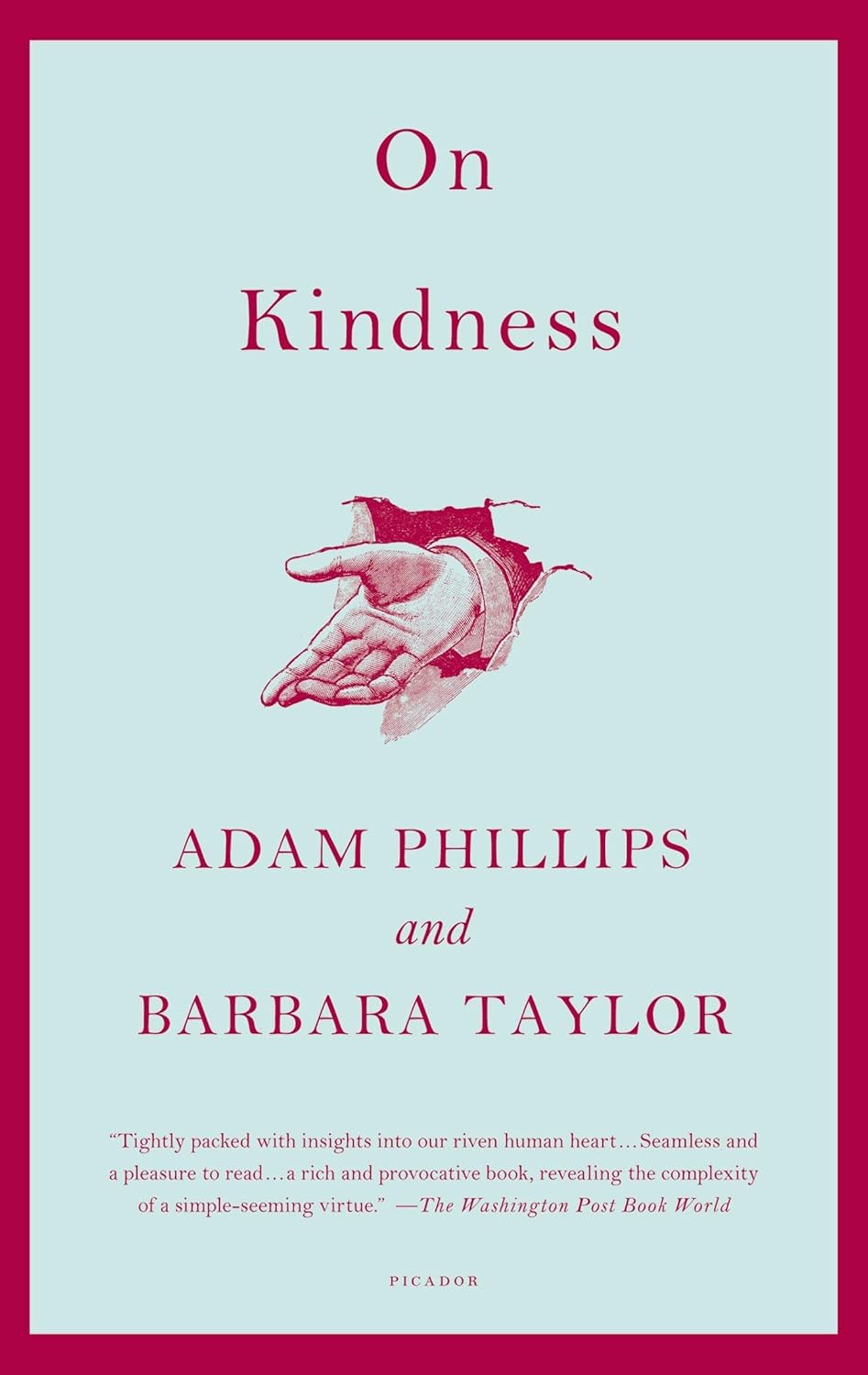
But an even deeper, more uncomfortable truth behind our kindness toward AI is fear of vulnerability. We keep our distance from other people because open-heartedness is perceived as an exploitable flaw in our self-defense mechanism. This is what the eminent psychoanalyst Adam Phillips and the social historian Barbara Taylor point out in the book “On Kindness:”
The pleasure of kindness is that it connects us with others; but the terror of kindness is that it makes us too immediately aware of our own and other people’s vulnerabilities …. Kindness, in other words, opens us up to the world (and worlds) of other people in ways that we long for and dread.
So it’s not surprising that we overcompensate by being kind to machine algorithms instead of real human beings. If you want to learn more about the paradoxical relation between kindness and hatred and how it contributes to our ambivalence toward other people — and now also toward heartless machines — “On Kindness” is well worth a read.
Kindness is the foundation of the world’s great religions and most-enduring philosophies. Why, then, does being kind feel so dangerous? If we crave kindness with such intensity, why is it often the last pleasure we permit ourselves? And why—despite our longing—are we often suspicious when we are on the receiving end of it?
Drawing on intellectual history, literature, psychoanalysis, and contemporary social theory, Adam Phillips and Barbara Taylor return their readers to what Marcus Aurelius declared was mankind’s “greatest delight”: the intense satisfactions of generosity and compassion.
Complement “On Kindness” with our articles on how to practice lovingkindness meditation, 100 best kindness quotes to improve mindfulness, and three types of kindness.

I’m a freelance writer with 6 years of experience in SEO blogging and article publishing. While you’re here, get the latest updates by subscribing to my newsletter.