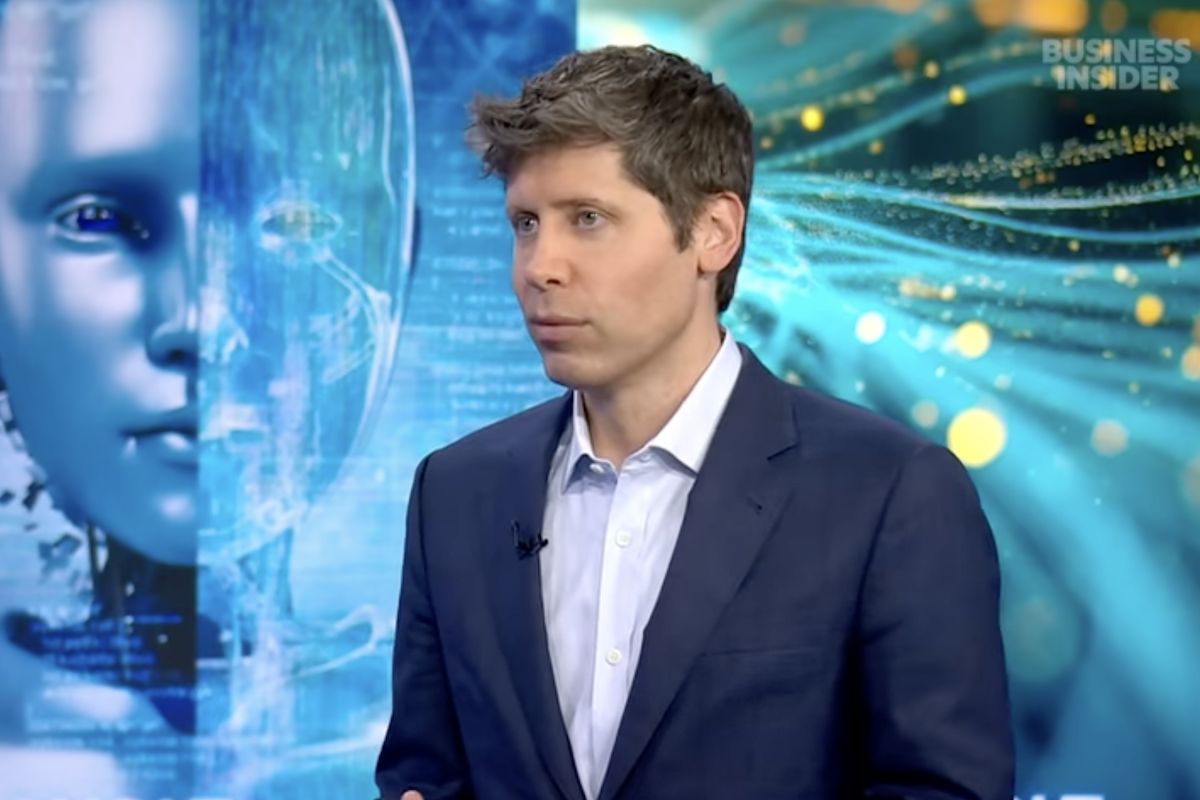
 In an exclusive interview to Forbes, CEO of OpenAI opened up about a host of topics related to the future of artificial intelligence, but perhaps the most interesting part — for me, at least — was his prediction that the technology would eventually “break capitalism.”
At one point in the interview, Alex Konrad asked Sam Altman about OpenAI’s pivot from pure non-profit to a for-profit model that needed to make money for its investors: “Greg [Brockman] has said that while OpenAI is research driven, it’s not anti-capitalist.” To which Altman replied:
I think capitalism is awesome. I love capitalism. Of all the bad systems the world has, it’s the best one — or the least bad one we found so far. I hope we find a way better one. And I think that if AGI [Editor’s note: Artificial General Intelligence (AGI) is an AI that can perform any intellectual task a human can] really truly fully happens, I can imagine all these ways that it breaks capitalism.
Then he added:

Love reading and writing? Submit a post to our blog.
We’ve tried to design a structure that is, as far as I know, unlike any other corporate structure out there, because we actually believe in what we’re doing. If we just thought this was going to be another tech company, I’d say, ‘Great, I know this playbook because I’ve been doing it my whole career, so let’s make a really big company.’ But if we really, truly get AGI and it breaks, we’ll need something different [in company structure]. So I’m very excited for our team and our investors to do super well, but I don’t think any one company should own the AI universe out there. How the profits of AGI are shared, how access to is shared and how governance is distributed, those are three questions that are going to require new thinking.
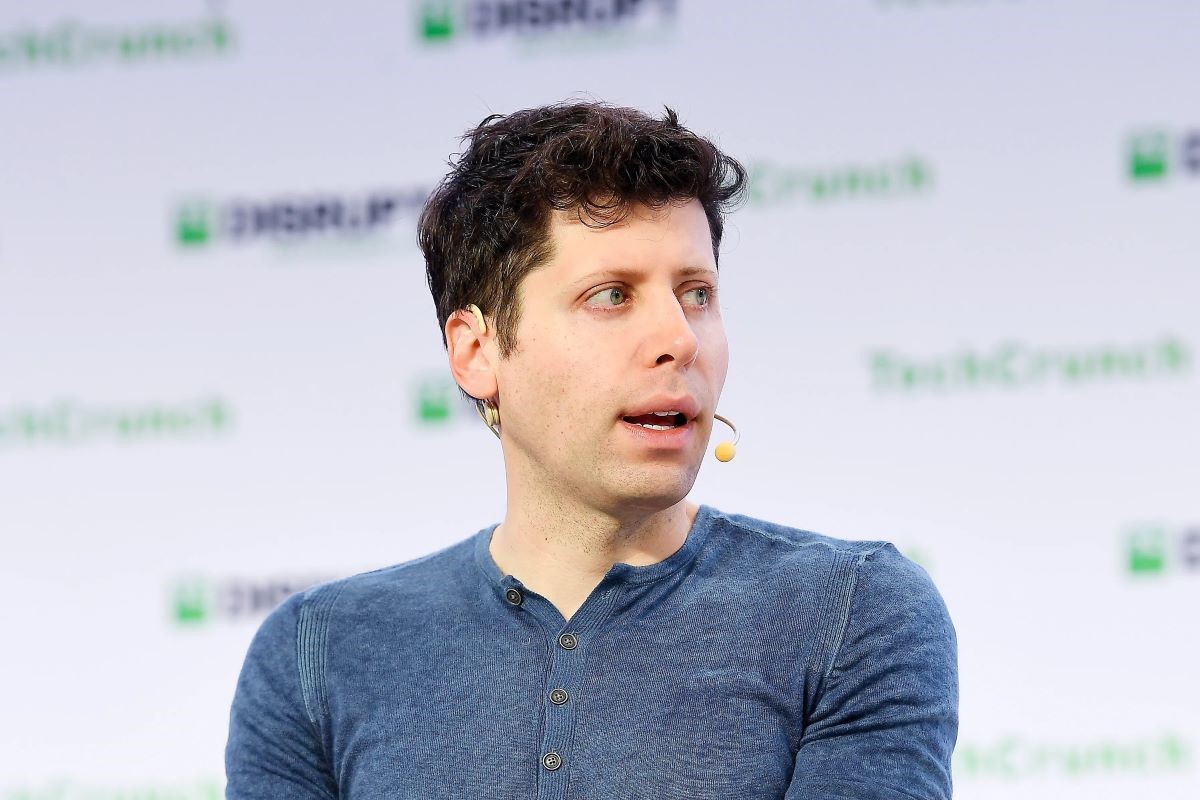
As you can see, Altman suggests that a “full” AGI — an AI that can perform any intellectual task a human can — will be so powerful that traditional capitalism, centered on labor and capital returns, will no longer function as it does today.
Historically, income has been tied to the specific skills and societal value an individual human being provides through their work. But according to a 2016 article by Business Insider, this paradigm is quickly changing because of [AI-powered] technology that could replace 45% of jobs right now.
The consequence of this radical shift, according to the paper, may be that the human workers will no longer be able to earn money based on their “usefulness in society” — because they won’t be useful anymore. An alternative system of income distribution that may ease this burden is called universal basic income:
Basic income is a form of income distribution in which people earn a monthly allowance to cover basic expenses like food, clothing, and shelter — whether they work or not. Over the last year, the idea has started spreading around the world. It’s gone from Switzerland to the Netherlands to Finland to Canada, where programs could begin as early as next year.
In the U.S., the company that lead the charge in figuring out how to adjust to a robot takeover was Y Combinator, Silicon Valley’s largest startup accelerator, and its then-president, Sam Altman.
Y Combinator’s research arm launched a five-year study on basic income to prepare for a future where artificial intelligence and automation could eliminate the majority of traditional jobs.
The pilot project, which was scheduled to begin in 2017, provided as many as 1,000 residents in Oakland, California, with an annual stipend ranging between $12,000 and $24,000. The initiative, managed by YC Research, aimed to answer this simple question: What happens to people’s quality of life and motivation to work when they receive free money, no strings attached?
The push for a basic income was driven by Sam Altman’s conviction that AI would eventually cause massive job displacement while simultaneously creating “unlimited wealth.” Altman argued that as smart robots assumed labor roles, the cost of living would plummet because human labor costs would essentially drop to zero. He projected that within ten to twenty years, advancements in technology — such as nuclear fusion providing free electricity — could make a “great life” an order of magnitude cheaper that it is today.
“The thing most people get wrong is that if labor costs go to zero… the cost of a great life comes way down,” Altman said to The New Yorker.
He estimated that if an American family required $70,000 to be happy, future costs for the same quality of life — excluding housing — could fall to between $3,500 and $14,000. This reduction is expected to stem from cheaper transportation, food, and water powered by abundant energy, as well as the ability to gain “expert level” education for free via smartphones.
“I believe that when automation comes, we will have enough extra money that the math will work,” Altman told Business Insider. In other words, he believes that basic income can sustain the displaced workers when AI robots replace huge swaths of the American labor force.
“What’s unclear to me,” Altman continued, “is will people be net-happier or are we just so dependent on our jobs for meaning and fulfillment?”
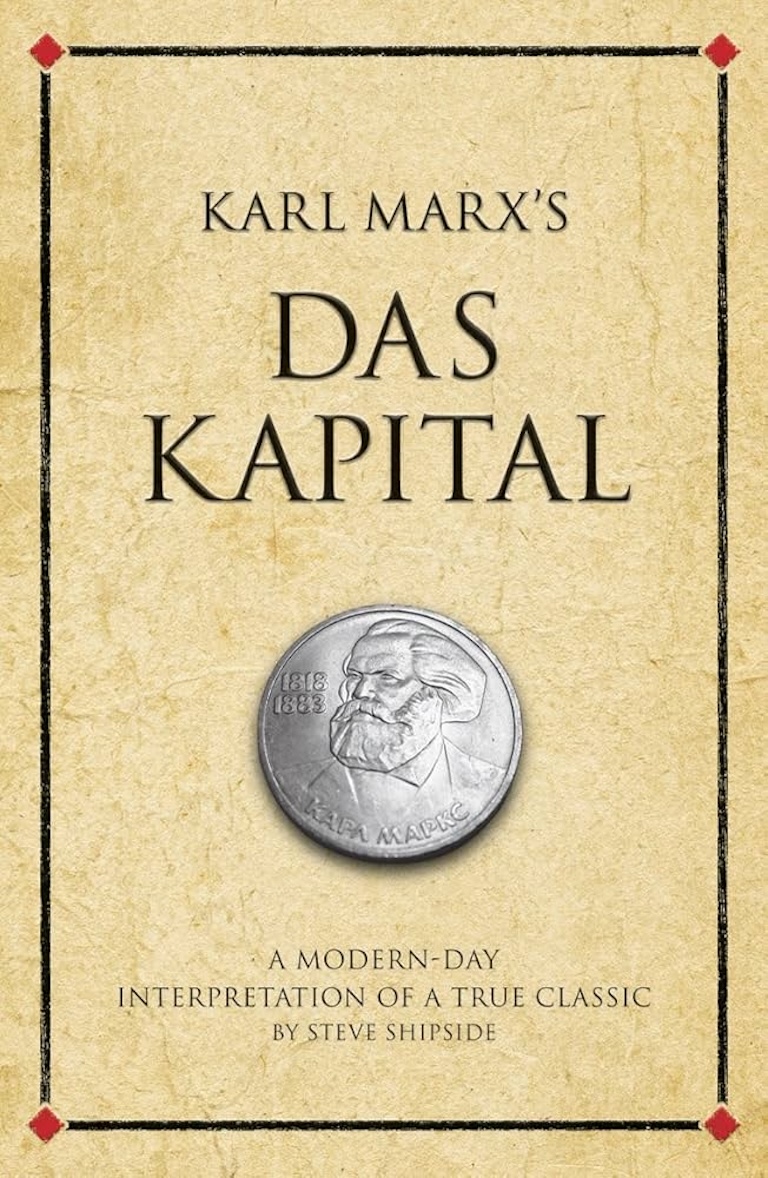
Complement with “Das Kapital” and then revisit Karl Marx on the real reason why you hate your job.

I’m a freelance writer with 6 years of experience in SEO blogging and article publishing. While you’re here, get the latest updates by subscribing to my newsletter.