.
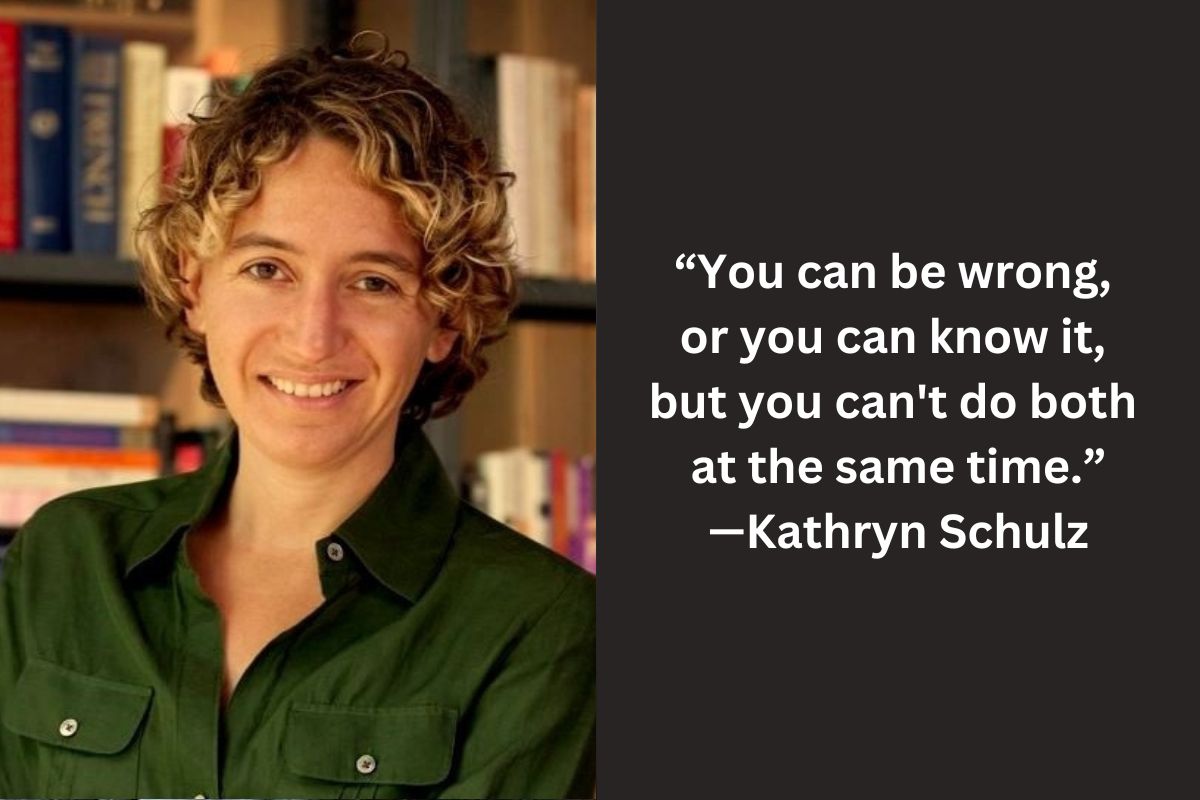
 “We can be wrong, or we can know it, but we can’t do both at the same time,” Kathryn Schulz wrote while contemplating our lifelong adventures on the margin of error. It’s all too easy to forget this simple truth in the heat of an argument. So what can we do about it?
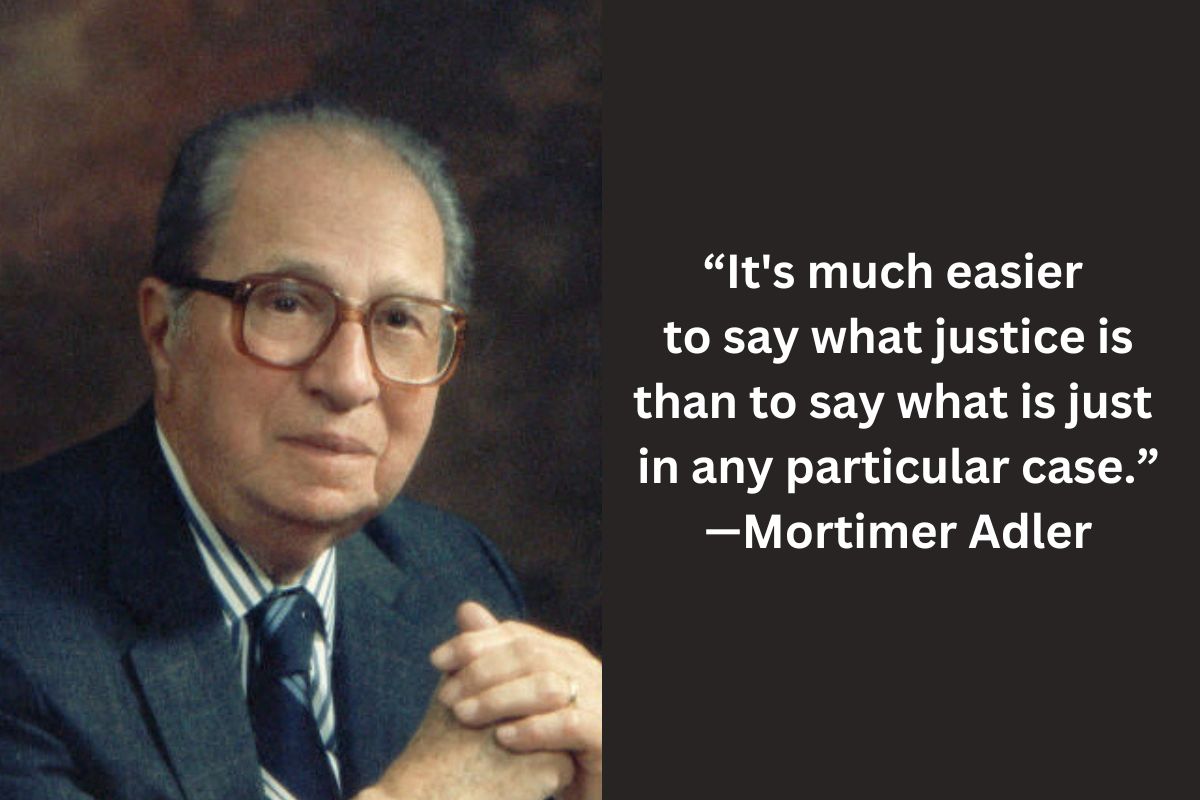
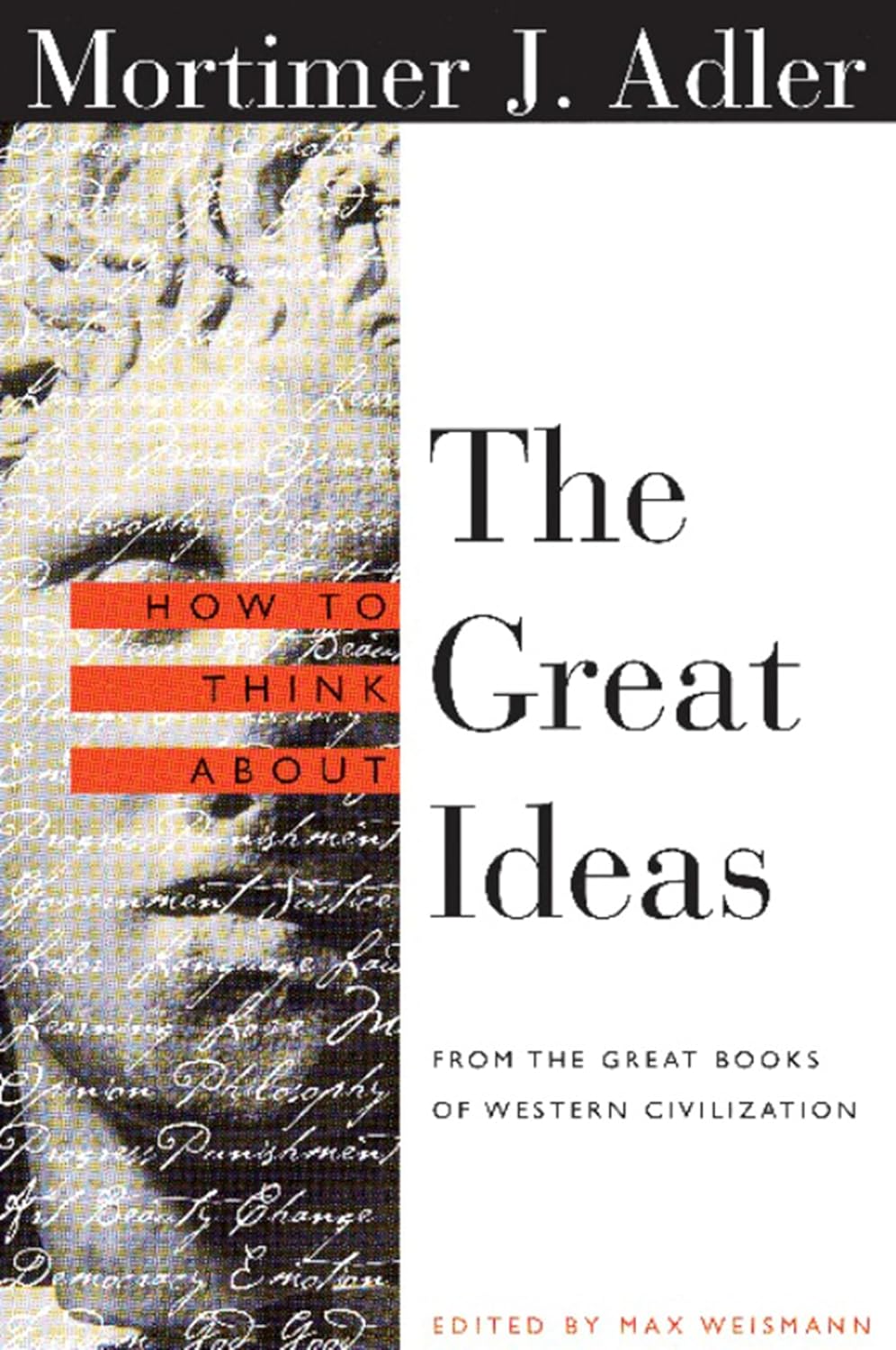
Mortimer Adler (December 28, 1902–June 28, 2001) offers us four simple strategies that address this issue in his timeless book “How to Think About the Great Ideas”. In the chapter titled “The Ten Rules for Conducting a Discussion,” he starts by warning us of a communication pitfall that should be avoided at all costs.

Mortimer Adler writes:

Love reading and writing? Submit a post to our blog.
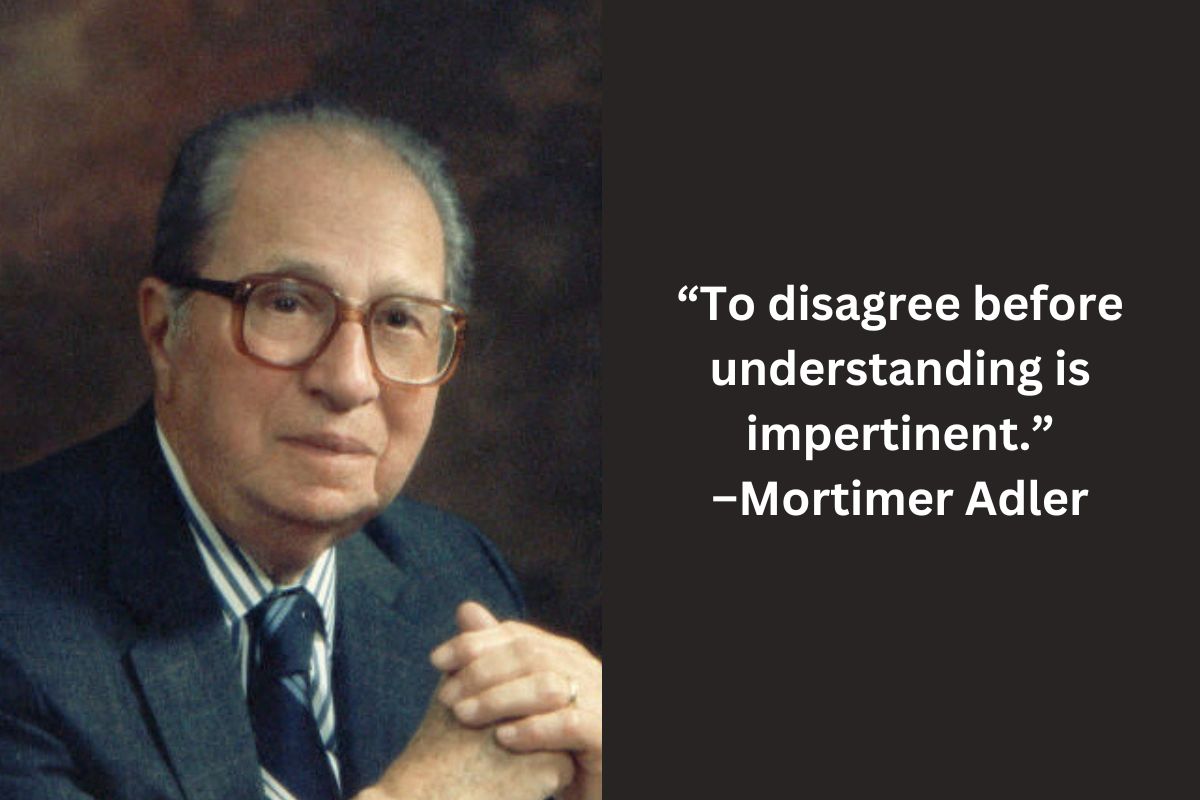
To disagree before understanding is impertinent. Don’t do what most people do, say all in one breath, “I don’t know what you are talking about but I think you’re wrong.”
This rule … requires you in the course of discussion to say to the other person, “Now let me see if I can say in my own words what you have just said.” And then having done that, you turn to him and say, “Is that what you mean?”
And if he says, “Yes, it is; that’s exactly what I mean,” then you are for the first time privileged to say to him, “I agree with you,” or “I disagree with you,” and not one moment sooner.
He goes on to write that “If, after understanding the other person, you do disagree, state your disagreement specifically and give reasons why.” Then he lists four things you can say “kindly and politely” to your opponent:
[1.] “You are uninformed of certain relevant facts, and I will show you what they are.” [2.] Or you can say, “You are misinformed. Some of the things you think are relevant facts aren’t facts at all, and I will show you why they are not.” [3.] Or you can say, “You are mistaken in your reasoning, and I will show you the mistakes that you have made.” [4.] And finally you can say, “You don’t carry your reasoning out far enough. There is more to say than you have said, and I will tell you what it is.”These are all very polite and much to the point.
Complement these simple rules on how to disagree politely from “How to Think About the Great Ideas” with Mortimer Adler on knowledge vs. opinion, F. Scott Fitzgerald on reserving judgments, and then revisit our FREE mindfulness course “How to Stay C.A.L.M. in Stressful Situations.”.

I’m a freelance writer with 6 years of experience in SEO blogging and article publishing. While you’re here, get the latest updates by subscribing to my newsletter.