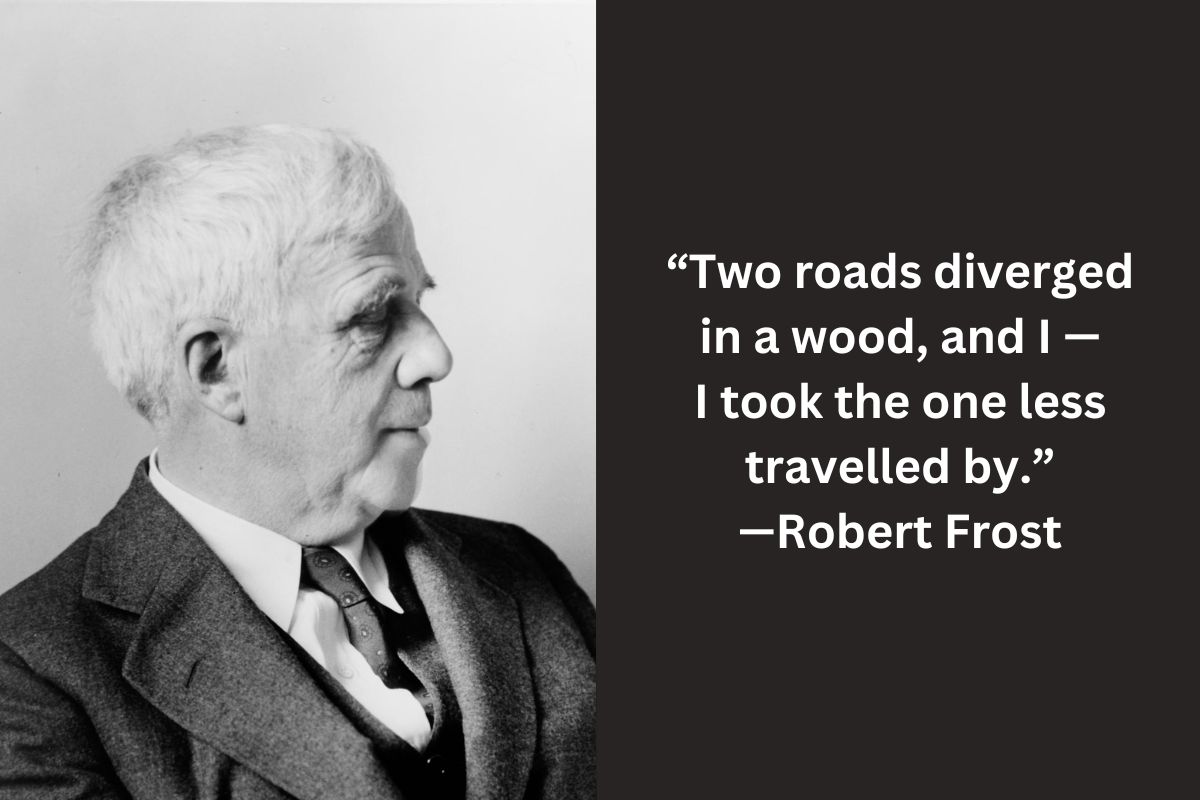
 “Two roads diverged in a wood, and I — / I took the one less traveled by,” Robert Frost famously wrote in a poem that everyone loves and almost everyone gets wrong.
It always reminds me that our everyday decisions can change our life in unpredictable ways. So the question we can ask ourselves: How do we make better ones?
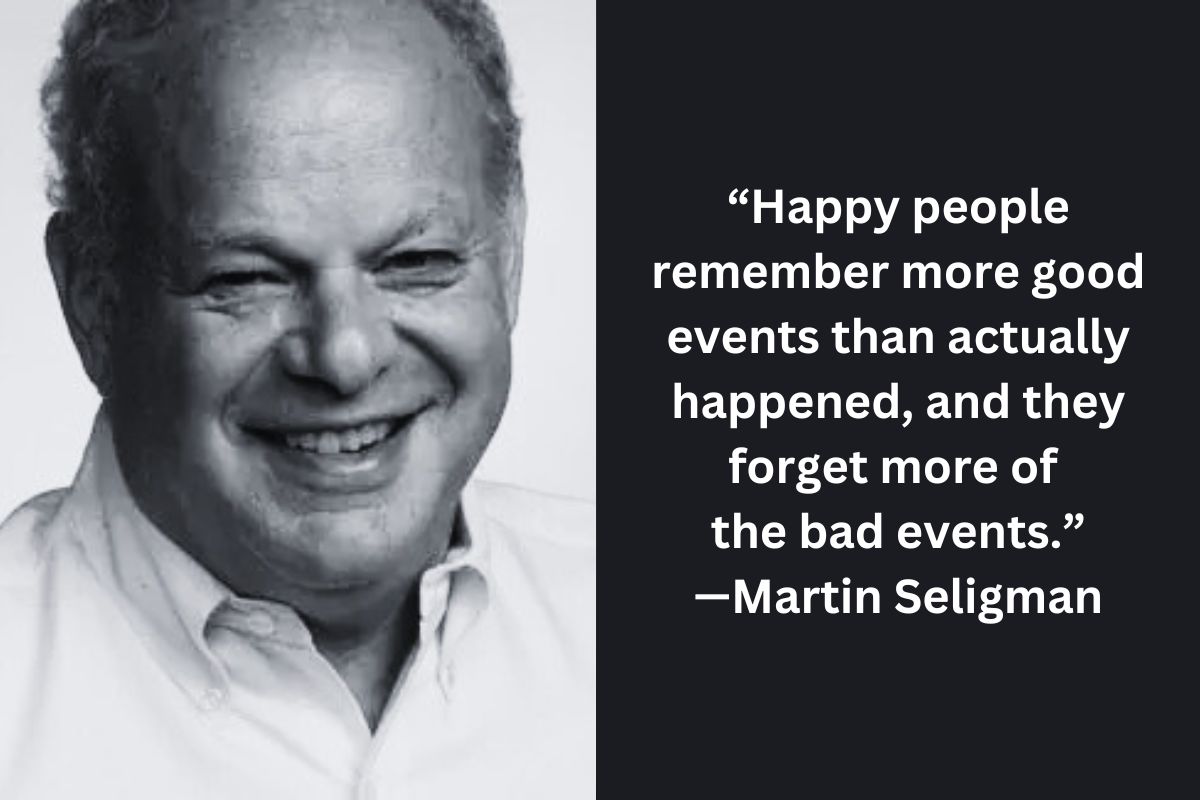
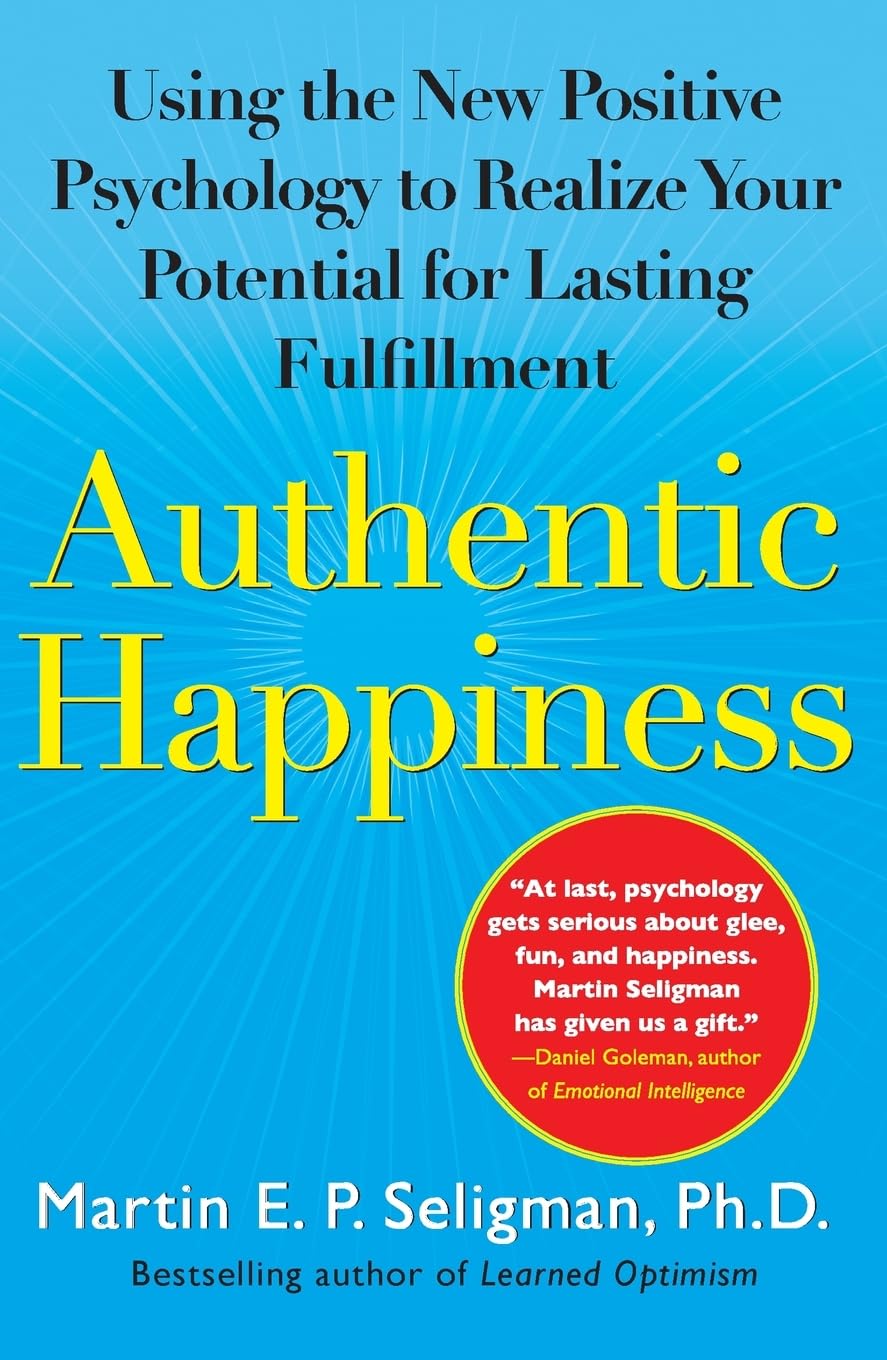
This is what American psychologist Martin Seligman (b. August 12, 1942) explores in a portion of his book “Authentic Happiness: Using the New Positive Psychology to Realize Your Potential for Lasting Fulfillment.”
He starts by explaining how a negative or positive mood can affect our thinking and by extension — decision-making:

Love reading and writing? Submit a post to our blog.
A chilly, negative mood activates a battle-stations mode of thinking: the order of the day is to focus on what is wrong and then eliminate it. A positive mood, in contrast, buoys people into a way of thinking that is creative, tolerant, constructive, generous, undefensive and lateral. This way of thinking aims to detect not what is wrong, but what is right. It does not go out of its way to detect sins of omission, but hones in on the virtues of commission. It probably even occurs in a different part of the brain and has a different neurochemistry from thinking under negative mood.
He goes on to describe how to design your surroundings to change your mood and make better decisions:
Choose your venue and design your mood to fit the task at hand. Here are examples of tasks that usually require critical thinking: taking the graduate record exams, doing income tax, deciding whom to fire, dealing with repeated romantic rejections, preparing for an audit, copy-editing, making crucial decisions in competitive sports, and figuring out where to go to college. Carry these out on rainy days, in straight-backed chairs, and in silent, institutionally painted rooms. Being uptight, sad, or out of sorts will not impede you; it may even make your decisions more acute.
Then he adds:
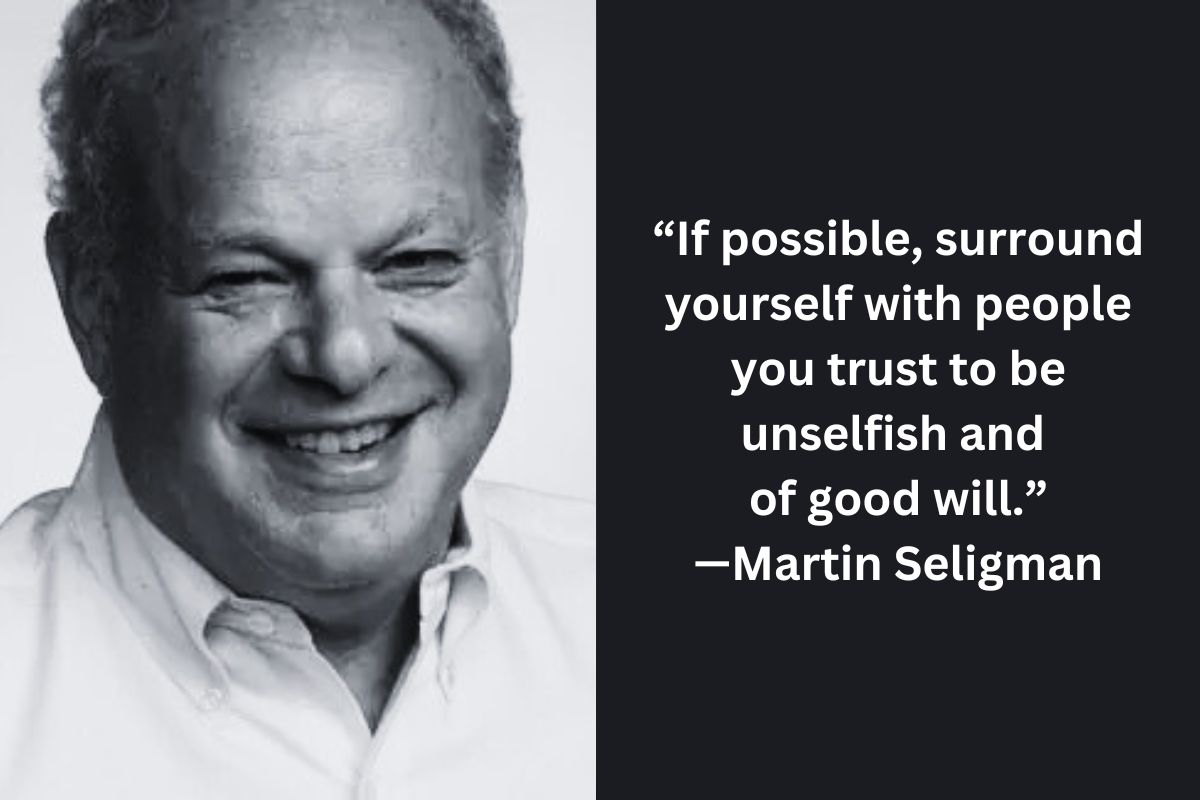
In contrast, any number of life tasks call for creative, generous, and tolerant thinking: planning a sales campaign, finding ways to increase the amount of love in your life, pondering a new career field, deciding whether to marry someone, thinking about hobbies and noncompetitive sports, and creative writing. Carry these out in a setting that will buoy your mood (for example, in a comfortable chair, with suitable music, sun, and fresh air). If possible, surround yourself with people you trust to be unselfish and of good will.
Martin Seligman’s book on happiness is excellent and necessary. Complement with Epictetus, who admonished us to “observe both the things which come first and the things that follow, and then begin the act.”

I’m a freelance writer with 6 years of experience in SEO blogging and article publishing. While you’re here, get the latest updates by subscribing to my newsletter.