 Many of us have grown up with nation-states as natural forms of political organization. But it wasn’t always so. As Philip Zelikow points out in his world history course, the creation of modern nations as we know them today was “a very conscious development,” which began in the mid-1800s in various countries around the world.
It was an effort by governments to promote, among other things, the teaching of a common language, traditions, and history that would turn people into loyal citizens. And, as you can guess, the key parts of that effort were public schools and universities.
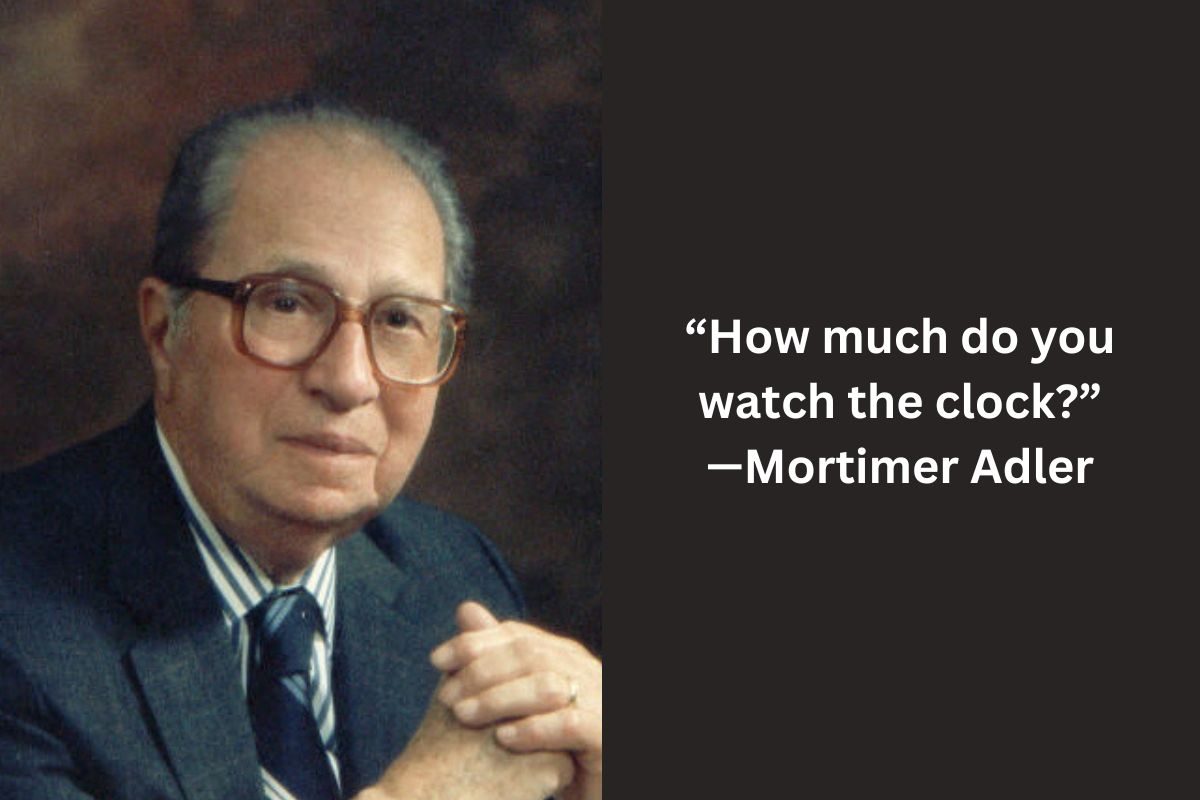
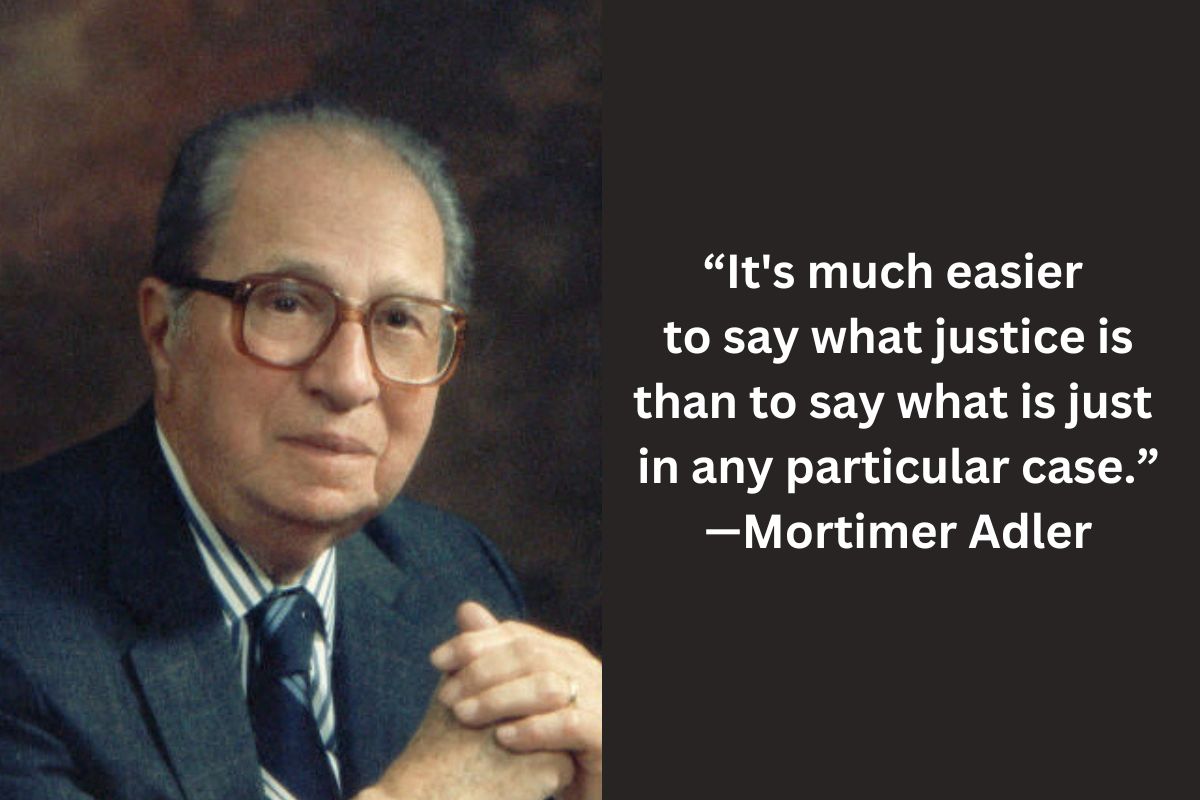
That reminded me of what philosopher Mortimer Adler (December 28, 1902–June 28, 2001) wrote about education and its importance in his book “How to Think About the Great Ideas.” He starts by pointing out that “liberal education” is not the same as “vocational education,” and that all education is essentially liberal education (emphasis ours):
I want to stress the fact that in all the pre-industrial aristocracies of the past, education was liberal education. One didn’t talk about some education being liberal and some being vocational. Education was liberal education.
One didn’t talk of vocational training as education at all; it was the training of workers or slaves. And when one saw education itself as essentially liberal, one saw that it could not be accomplished in school, that it could only be begun in school, that the main points and purposes of liberal education had to be fully accomplished in adult life.
Adler goes on to explain what exactly liberal education consists in:

Love reading and writing? Submit a post to our blog.
To explain what “liberal” means as applied to education is not so difficult. In fact, one catches the meaning immediately one recognizes the word “liberal” has the same root that the word “liberty” has. And that root means in Latin, “free.” And so, you can define liberal education by saying it is education for free human beings.
[…]First, in school, liberal education consists in acquiring the disciplines of learning, learning how to learn; and then in becoming acquainted for the first time with the ideas that one must spend a lifetime in trying to understand.
Second, that in adult life, liberal education consists in using the liberal arts, which are the disciplines of learning, the disciplines acquired in school, to carry on the process of learning and the lifelong pursuit of understanding, insight, and wisdom.
He adds:
The ideal we must embrace is to give all the children not merely eight years of common schooling, but adequate liberal training, liberal schooling through high school, and I would go further and say through college — all the children up to and through a Bachelor of Arts degree, which is the training, the education they should receive in preparation for their role in the life of freedom, the use of their own leisure and the performance of their political duty.
Adler concludes with a controversial idea that if the state can’t provide liberal education to everyone, we must give up democracy altogether:
Now I have to face the facts. If that ideal cannot be realized, then we ought to give democracy up, give it up entirely and return to the aristocratic forms of society in which the free were separated from the slaves, the men with leisure and the ruling classes were separated from the disfranchised many who were slaves or workers.
Because, I say to you, to give suffrage [the right to vote] and leisure to those who are incapable of liberal education is dangerous to society and dangerous to the individuals themselves who have this leisure and are not educated to use it [properly].

I’m a freelance writer with 6 years of experience in SEO blogging and article publishing. While you’re here, get the latest updates by subscribing to my newsletter.