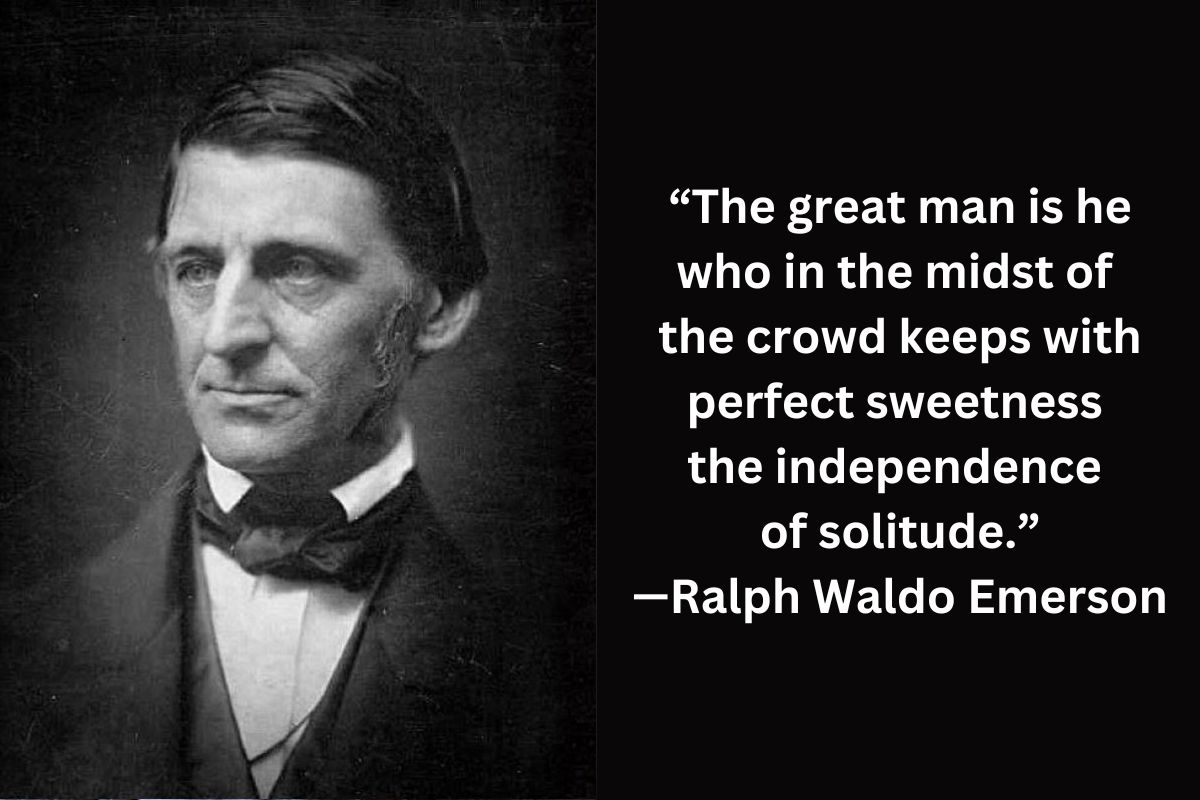
 “It is easy in the world to live after the world’s opinion; it is easy in solitude to live after our own,” Emerson wrote while contemplating the value of solitude.
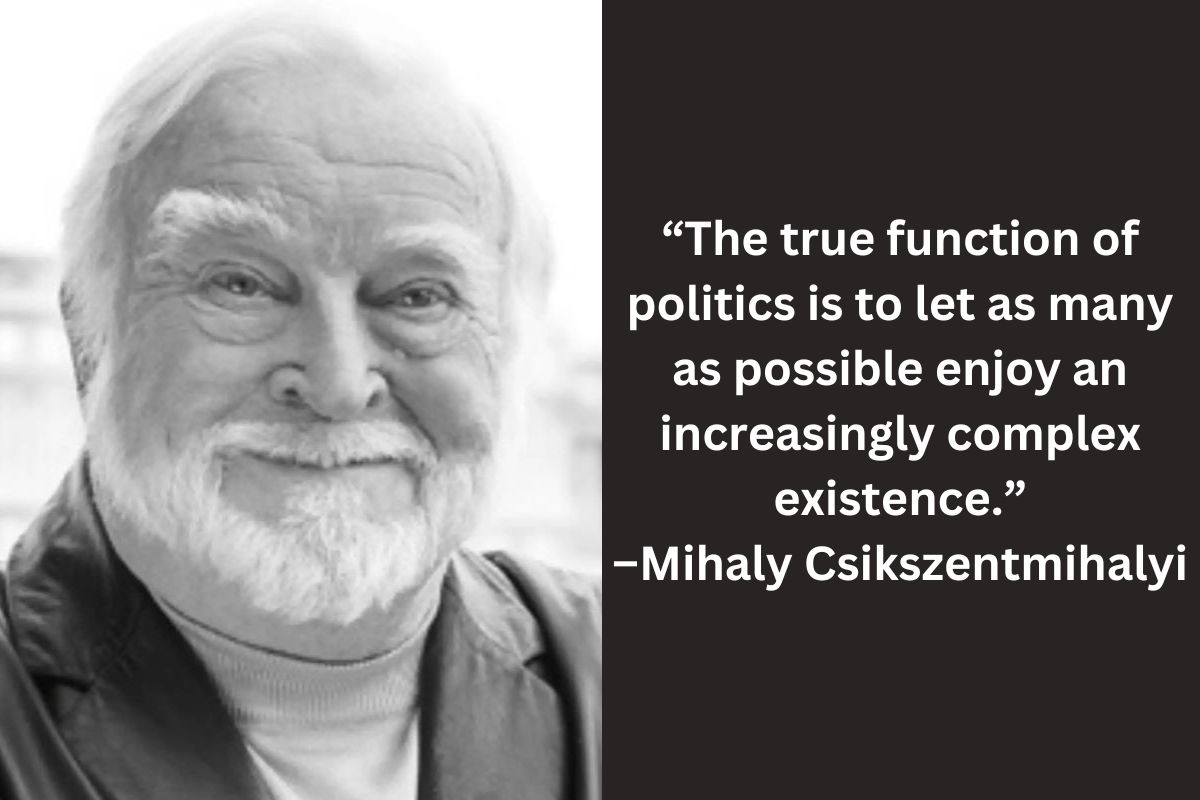
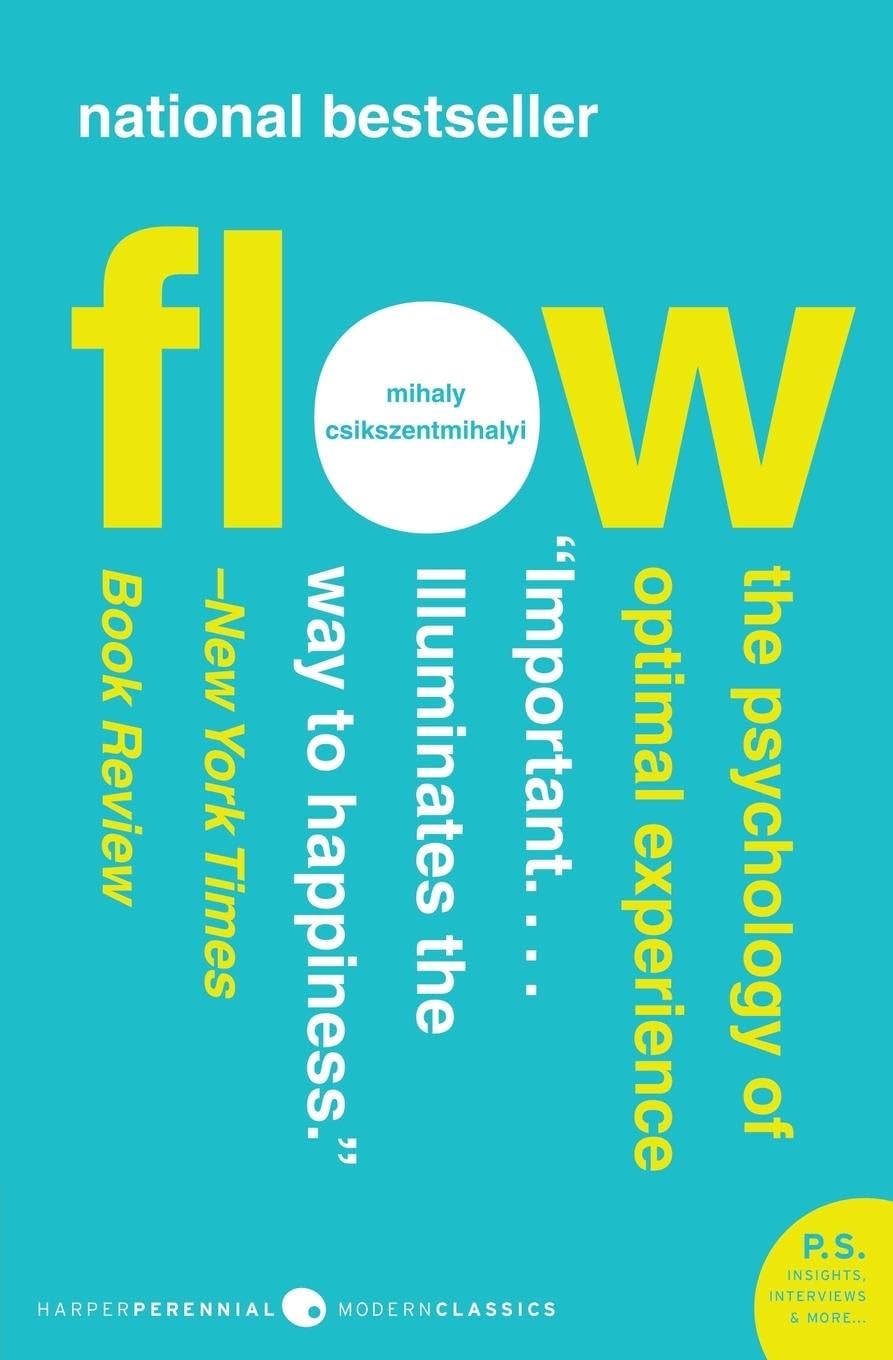
More than a century later, psychologist Mihaly Csikszentmihalyi (September 29, 1934–October 20, 2021) echoed this sentiment in his book “Flow,” expanding upon Emerson’s belief to focus specifically on how structured solitude can unlock and enhance your creativity.
However, Csikszentmihalyi warns that this creative focus doesn’t happen automatically; first, one must survive the perils of an untrained mind. He starts by considering how easily unconscious living is afflicted by frequent waves of negative thoughts that — if let loose when you’re alone — can drag you along like a wild river. As a mindfulness advocate, I fully agree with his observation that:
With nothing to do, the mind is unable to prevent negative thoughts from elbowing their way to center stage. … Worries about one’s love life, health, investments, family, and job are always hovering at the periphery of attention, waiting until there is nothing pressing that demands concentration. As soon as the mind is ready to relax, zap! the potential problems that were waiting in the wings take over.
This psychological ambush is exactly why mastering our internal state becomes so critical. In a sentiment that calls to mind Buddhist nun Pema Chodron’s self-reflection on the paradox of productive inactivity, Csikszentmihalyi writes that navigating these moments is how we learn to control the quality of our experience:
Love reading and writing? Submit a post to our blog.
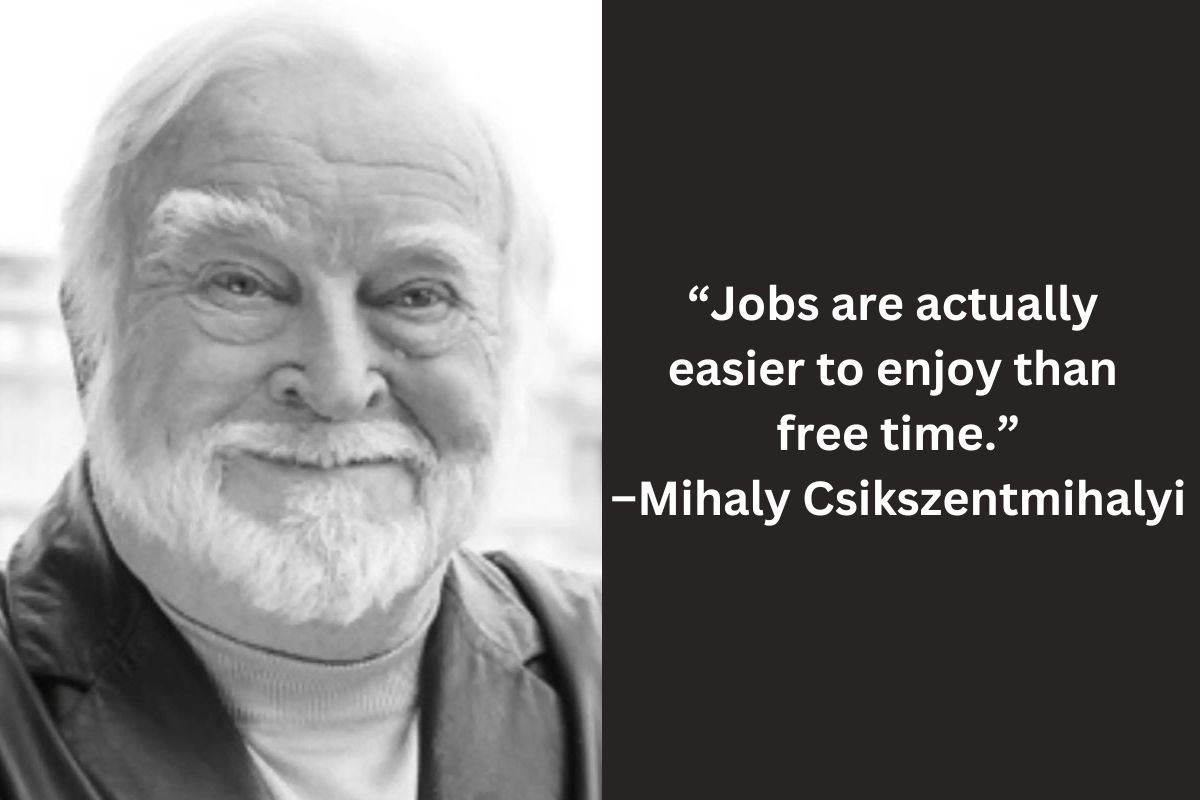
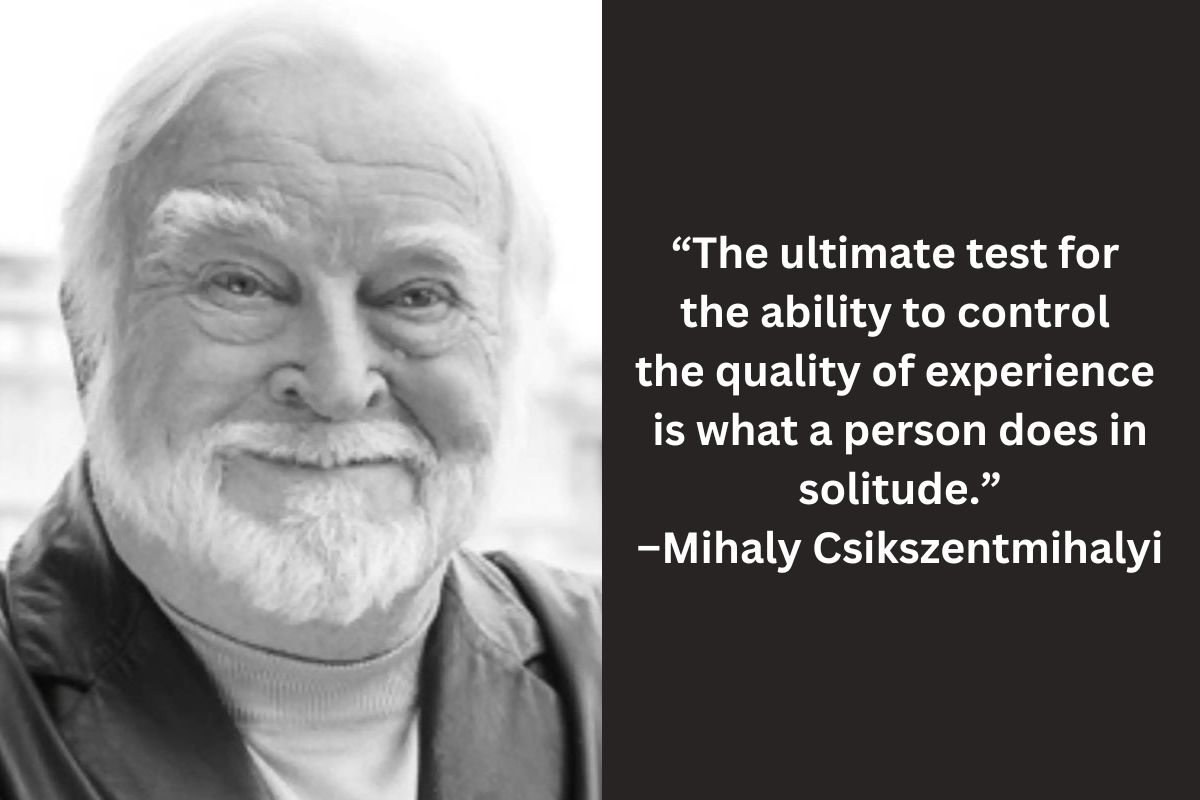
The ultimate test for the ability to control the quality of experience is what a person does in solitude, with no external demands to give structure to attention. It is relatively easy to become involved with a job, to enjoy the company of friends, to be entertained in a theater or a at a concert. But what happens when we are left to our own devices? Alone, when the dark night of the soul descends, are we forced into frantic attempts to distract the mind from its coming? Or are we able to take on activities that are not only enjoyable, but make the self grow?
Then he adds:
To fill free time with activities that require concentration, that increase skills, that lead to a development of the self, is not the same as killing time by watching television, (surfing the web,) or taking recreational drugs. Although both strategies might be seen as different ways of coping with the same threat of chaos, as defenses against ontological anxiety, the former leads to growth, while the latter merely serves to keep the mind from unravelling.
Mihaly Csikszentmihalyi concludes:
A person who rarely gets bored, who does not constantly need a favorable external environment to enjoy the moment, has passed the test for having achieved a creative life.
Complement with our article on why you should read “Flow” by Mihaly Csikszentmihalyi.

I’m a freelance writer with 6 years of experience in SEO blogging and article publishing. While you’re here, get the latest updates by subscribing to my newsletter.