 “Know 99% about 1%,” proclaims the famous 80/20 principle. “Become an expert on a narrow front.” It all sounds good. But what if you’re not there yet? You have to start somewhere, right?
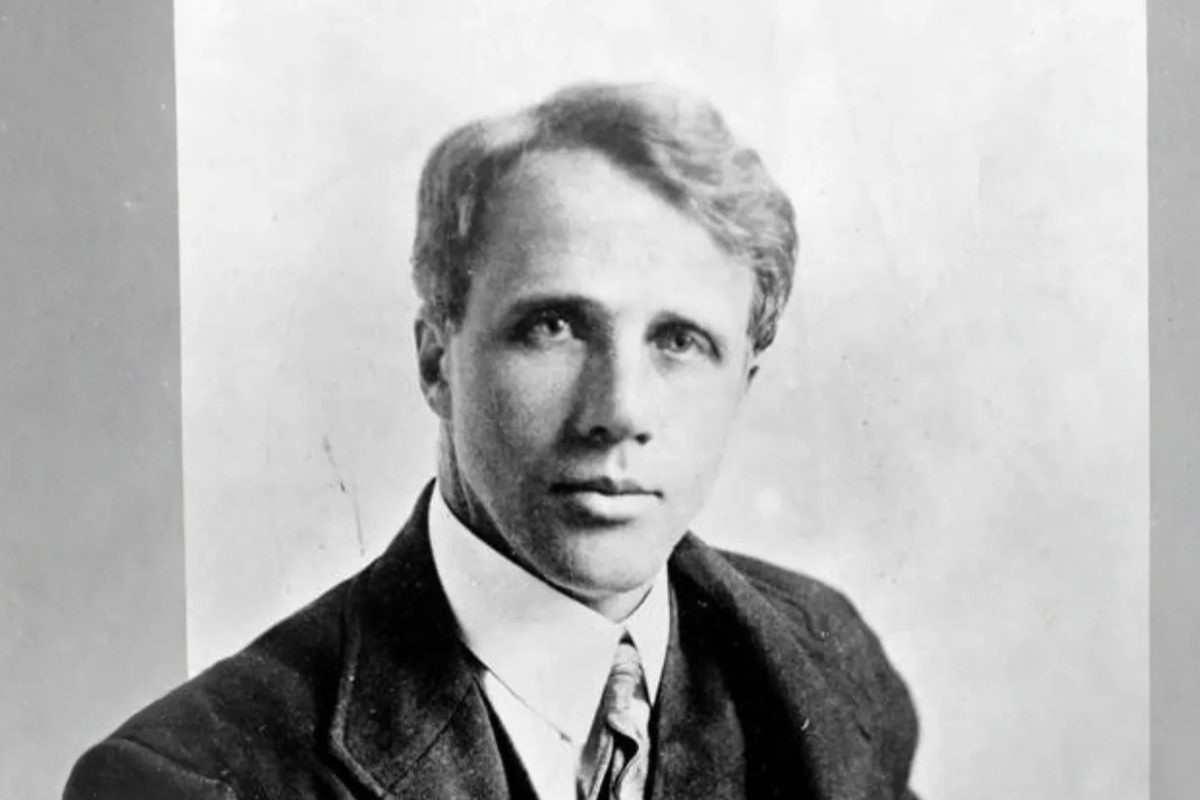
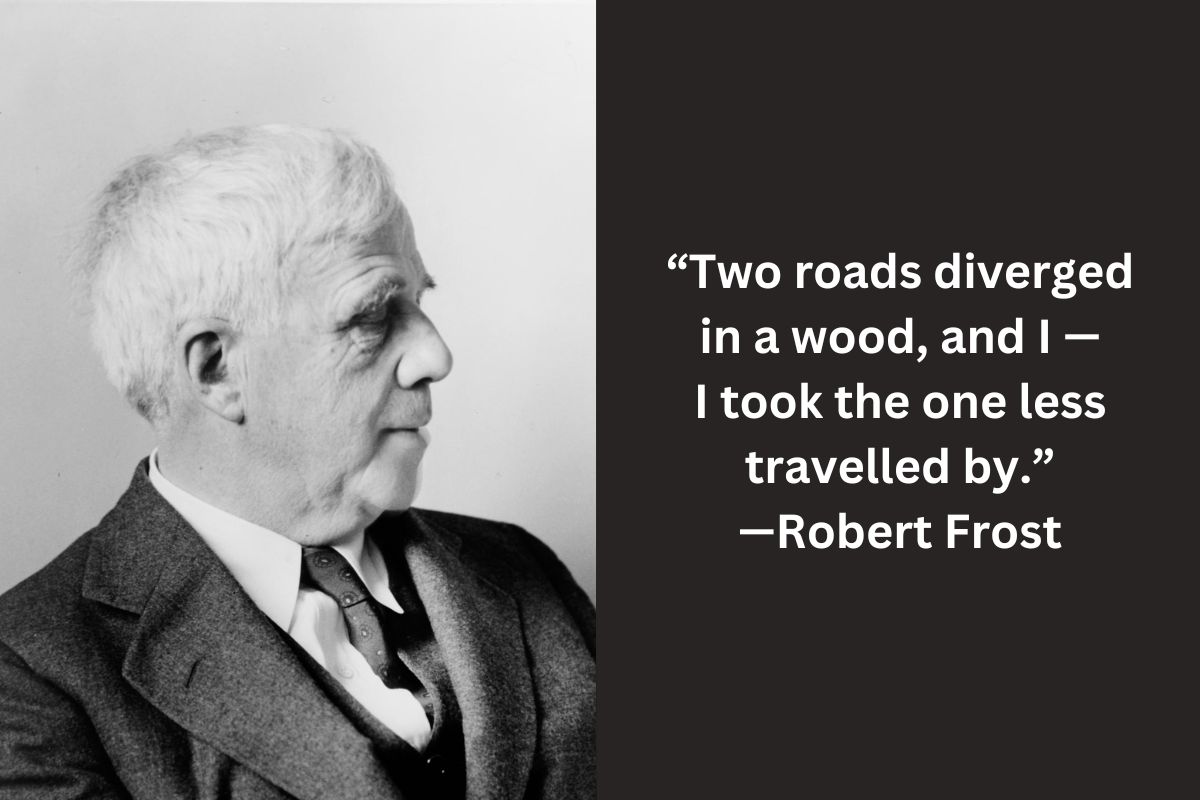
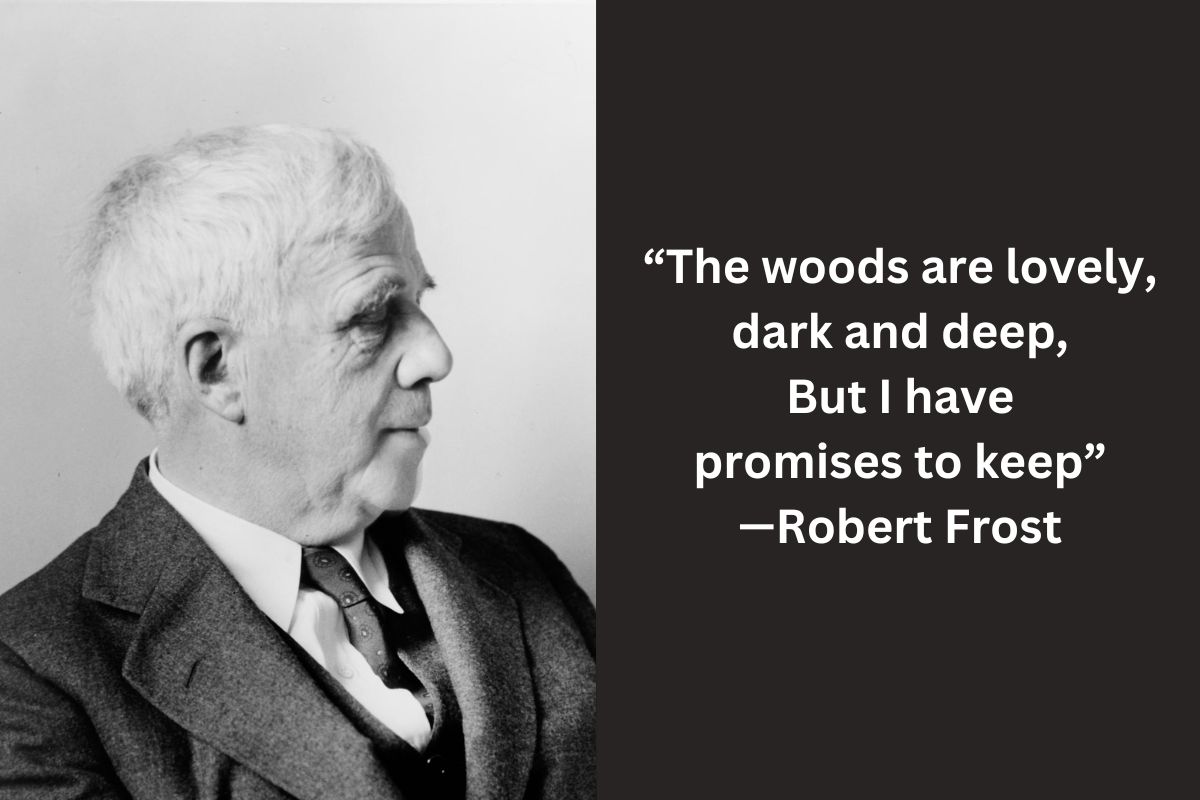
This is what American poet Robert Frost (March 26, 1874–January 29, 1963) explores in a portion of the interview he gave to Bela Kornitzer at his home in Ripton, Vermont, in 1952.
And it starts with this remark, “You must be a courageous young man to undertake to interview a poet you’ve probably never read much of.”

Love reading and writing? Submit a post to our blog.
To which Kornitzer replies, “I remember that you yourself said, ‘Courage is the human virtue that counts the most; courage to act on limited knowledge. Isn’t that your philosophy, Mr. Frost?’” To which the poet says:
Everybody has said that courage is the greatest virtue but the point of what I said was that we’ve got to go ahead on limited knowledge. A general has to go into battle on limited knowledge, insufficient knowledge. And someone has said a poet ought to learn all that all the other poets have ever said before he undertakes to say anything so he’d avoid repetition. But if he did that, he’d be 50 years old before he started, and all the poetry that was ever written was really started somewhere between 15 and 25. You’ve got to start on insufficient knowledge and you’ve got to have that kind of courage.
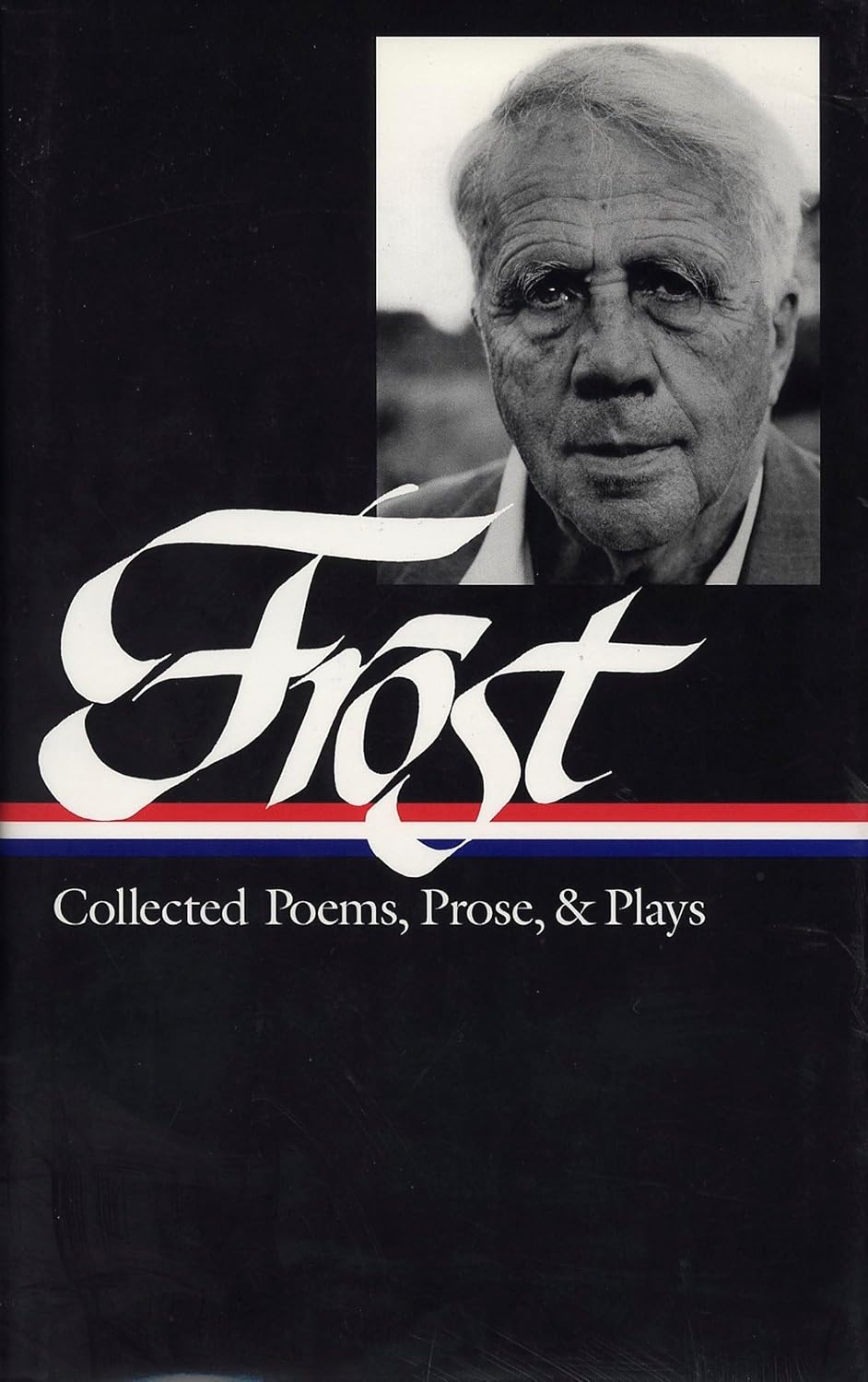
Complement with “Robert Frost: Collected Poems, Prose, and Plays” and then revisit Aristotle on virtues as habits and Mortimer Adler on the meaning of real virtue.

I’m a freelance writer with 6 years of experience in SEO blogging and article publishing. While you’re here, get the latest updates by subscribing to my newsletter.