.
 For a very long time, I believed that I should know a little bit about everything. Especially when it came to running this blog.
All the courses and guides told me to wear several hats to be successful. And I tried. Occasionally, being a content writer, or a graphic designer, or a web developer was enjoyable.
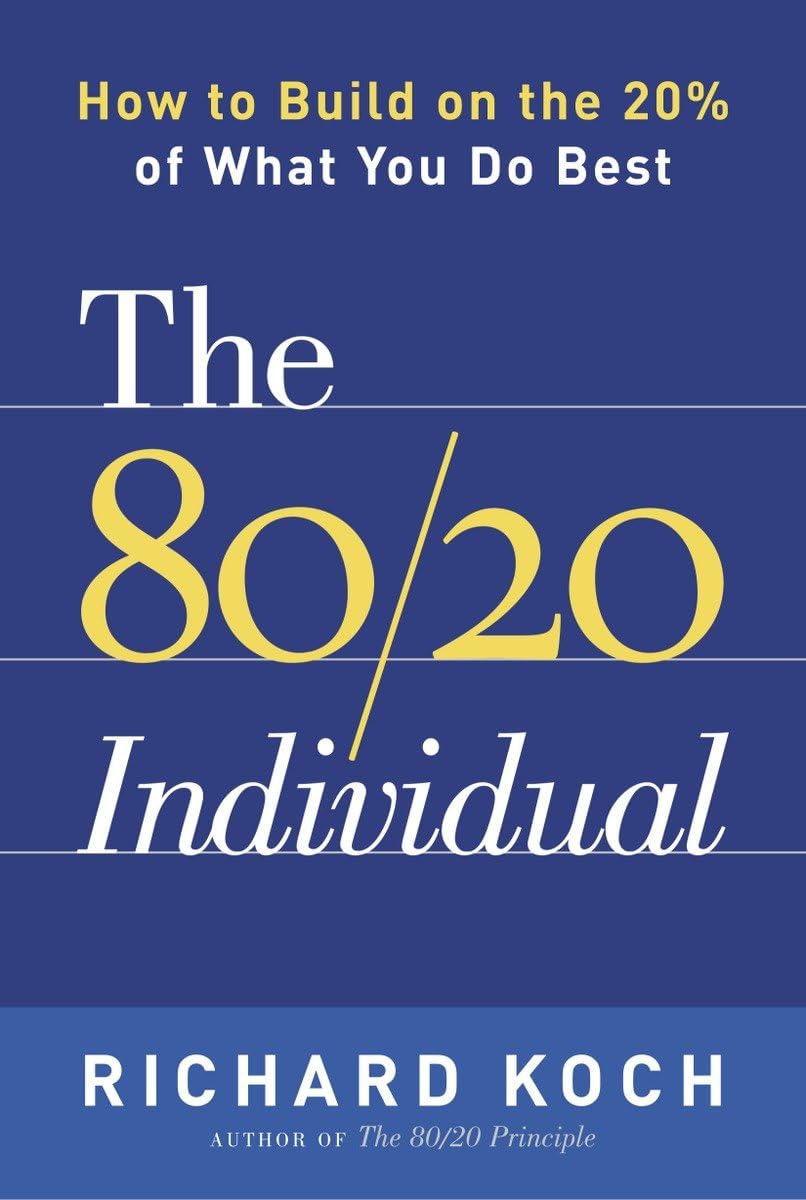
But deep down, I felt that I was spreading myself too thin. I wanted to focus and do one thing really well. That’s when I came across “80/20 Individual: How to Build on the 20% of What You Do Best” by Richard Koch. Here’s what he says in the audio version of his famous book:

Love reading and writing? Submit a post to our blog.
I’d like to talk about what I call the 20% spike. What makes a great chief executive or other leader is what psychologists call the spike and what I call the 20% spike. The spike is a distinctive strength that is unusually powerful. The idea is to train and develop this spike through Olympian standards.
How do corporate psychologists determine whether you or another shortlisted candidate will get the top job? Do they look for well-rounded team players, or do they look for oddballs? Intriguingly, they look for the latter. The psychologist wants unusual characteristics with a few fantastic strengths. If you have these, he or she couldn’t care less about a long laundry list of things that you can’t do well or even do at all.
To illustrate his point, Koch goes on to name several rich and successful people who have 20% spike:
Any significant leader is not well-rounded. They’re all quite different, slightly idiosyncratic characters. The best directors have huge spikes and equally large downsides. Psychoanalyst Michael Maccoby agrees. He highlights today’s “superstar” leaders and draws attention to their lopsided traits: “Today’s CEO-superstars, such as Bill Gates, Andy Grove, Carly Fiorina, Steve Jobs, Jeff Bezos, Jack Welch, Oprah Winfrey — hire their own publicists, write books, grant spontaneous interviews, actively promote their personal philosophies. [They] closely resemble the personality type that Sigmund Freud dubbed narcissistic.”
Maccoby says that such so-called “productive narcissists” have tremendous vision and self-belief, but they’re anything but team players: most wouldn’t score well on emotional intelligence or the ability to listen to other people. The downside is taken care of by finding other people who can deal with those areas.
Now, it’s true, not all 80/20 people are productive narcissists of this sort. But many of the new superstars are effective precisely because they are unbalanced. Their 20% spike is strong enough to see them through. Although it’s notable that successful leaders of this ilk usually have a team of other people clearing up the mess around them.
He continues:
Seek jobs where your lopsided strength comes to the fore. In this respect, balance in terms of skills is mediocrity. I don’t mean you shouldn’t have a balanced life between work and leisure, and I believe very strongly that you should, but the idea that you should have a balanced set of skills is actually just wrong.
If you are balanced, you’ll be mediocre in a large number of directions. You need to be very good and exceptional in one particular area. If you strive to get balance, you’ll never ever get there.
Richard Koch concludes:
You’ve probably been told to gain broad experience. You may have told other people to do that. Well, I say, “Don’t.” Focus all your energy on one area and encourage other people to do the same thing. Become an expert on a narrow front. Know 99% about 1%. Meet all the experts, see how they work, what kind of lives they lead, and then mimic them.
Complement “The 80/20 Individual: How to Build on the 20% of What You do Best” with why you should read “Flow” by Mihaly Csikszentmihalyi, Richard Koch on 10 golden rules of career success, and then, for nothing more than sheer delight, revisit Shunryu Suzuki on cultivating a beginner’s mind, in meditation and in life.
Editor’s note: This article was updated with an excerpt from the audio version of the book.

I’m a freelance writer with 6 years of experience in SEO blogging and article publishing. While you’re here, get the latest updates by subscribing to my newsletter.