.
 “When you are enlightened, there is one relationship that you no longer have: the relationship with yourself,” Eckhart Tolle wrote in his meditation on what it really means to be yourself.
Except for the enlightened few, it seems the malaise of self-obsession will keep afflicting each and every one of us until the end of times. Not even science, despite its desperate attempts, is able to cure us.
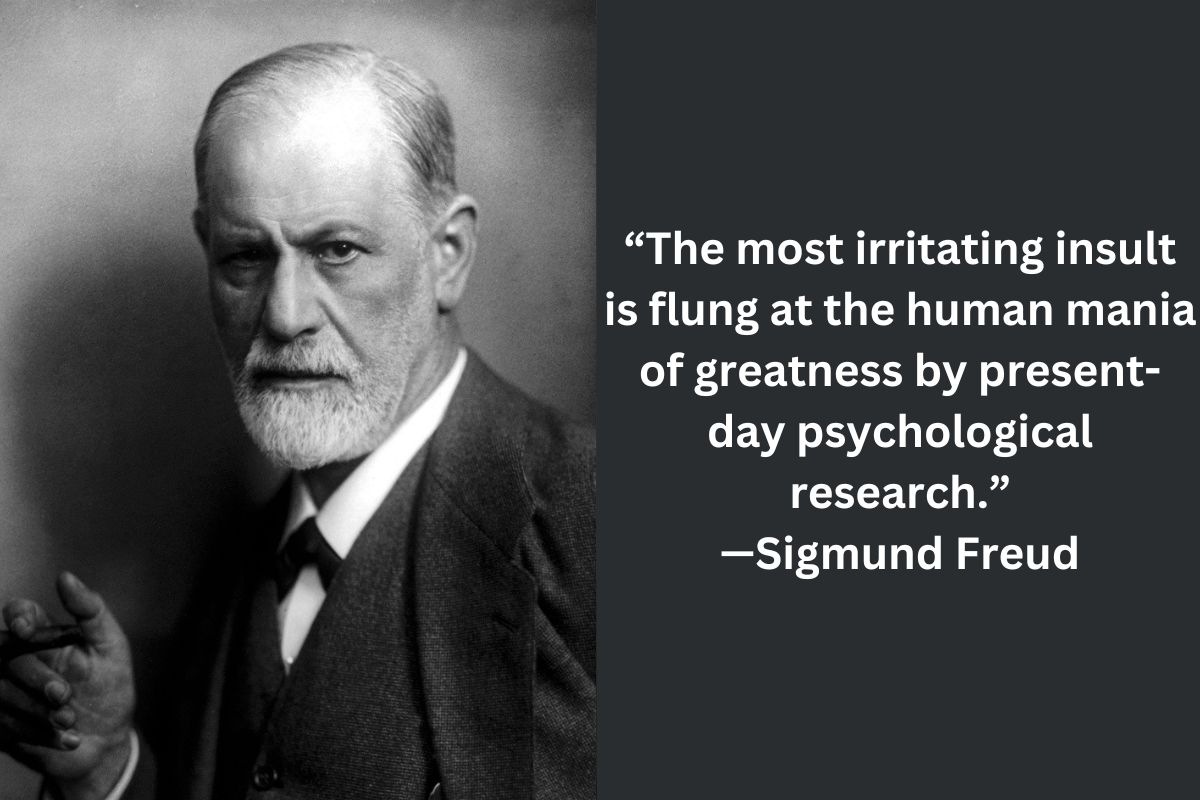
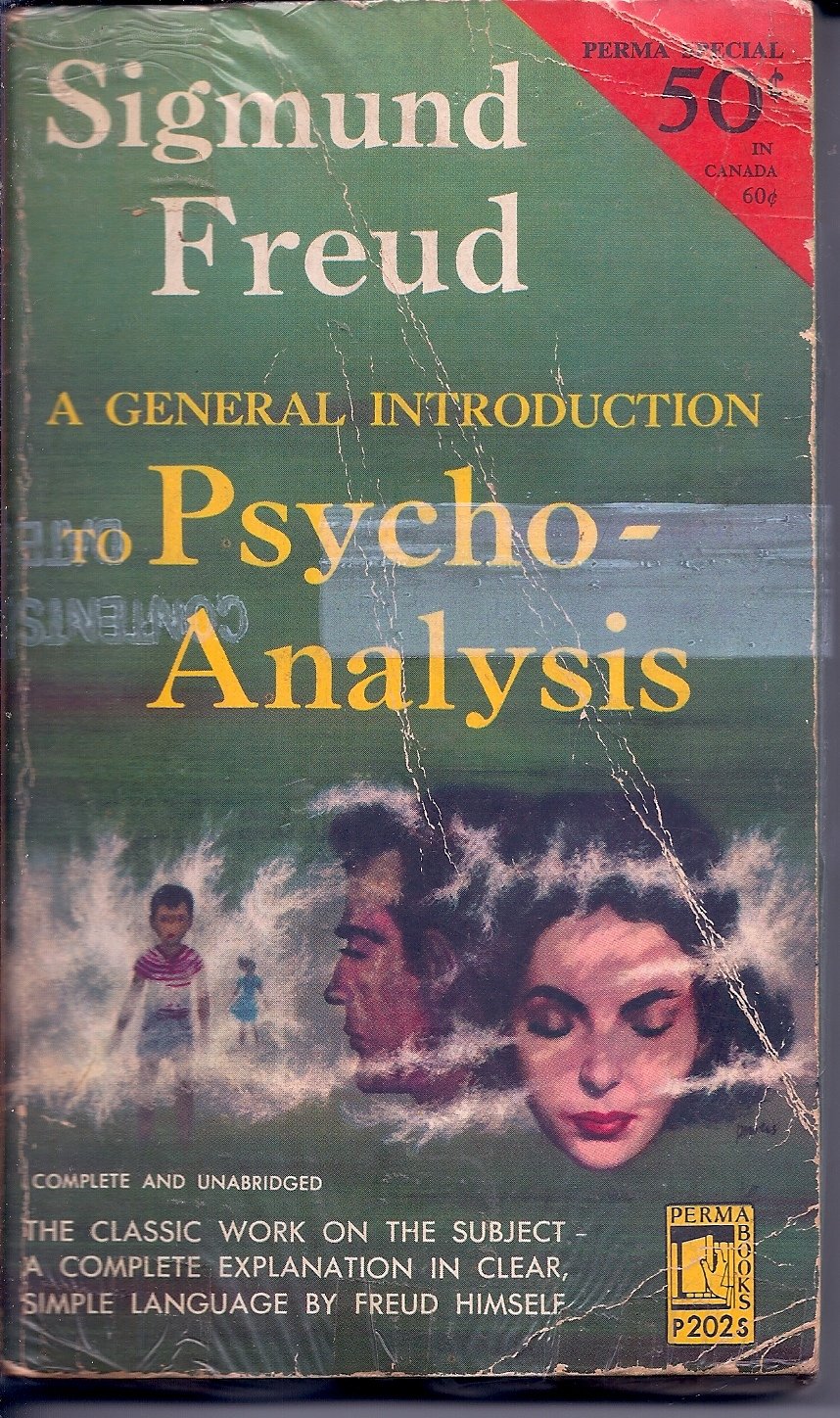
This is what Austrian neurologist Sigmund Freud (May 6, 1856–September 23, 1939) highlights up in his now classic “A General Introduction to Psychoanalysis.”

Love reading and writing? Submit a post to our blog.
In the eighteenth lecture on the general theory of the neuroses, “Traumatic Fixation — The Unconscious,” he goes on to list three great outrages against humanity’s naive self-love through the lens of three classic books that shaped generations of Western intellectuals.
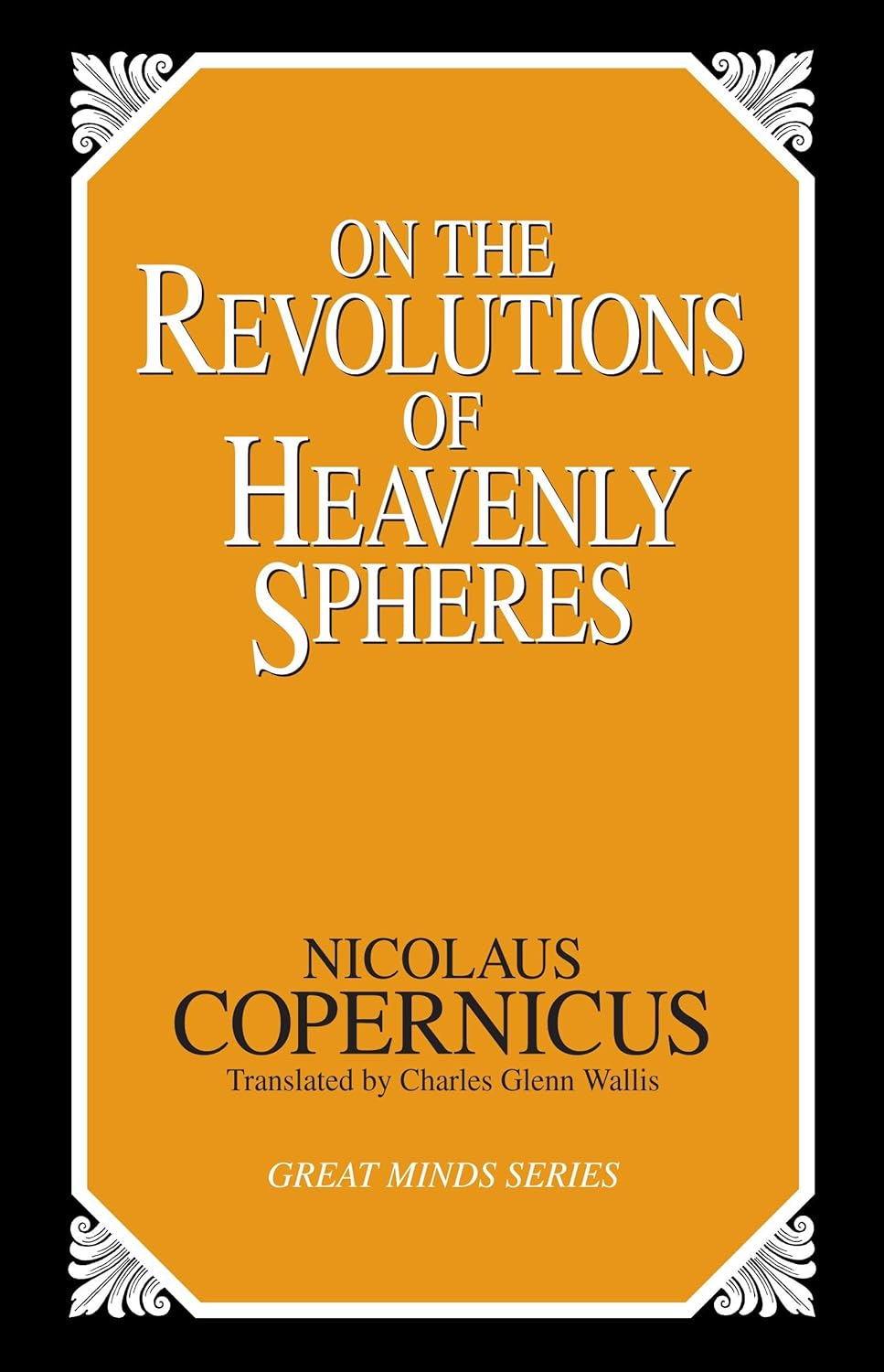
1. On the Revolutions of the Heavenly Spheres by Nicolaus Copernicus
Sigmund Freud writes:
Humanity, in the course of time, has had to endure from the hands of science [three] great outrages against its naive self-love. The first was when humanity discovered that our earth was not the center of the universe, but only a tiny speck in a world-system hardly conceivable in its magnitude. This is associated in our minds with the name ‘Copernicus,’ [and his book ‘On the Revolutions of the Heavenly Spheres’] although Alexandrian science had taught much the same thing.
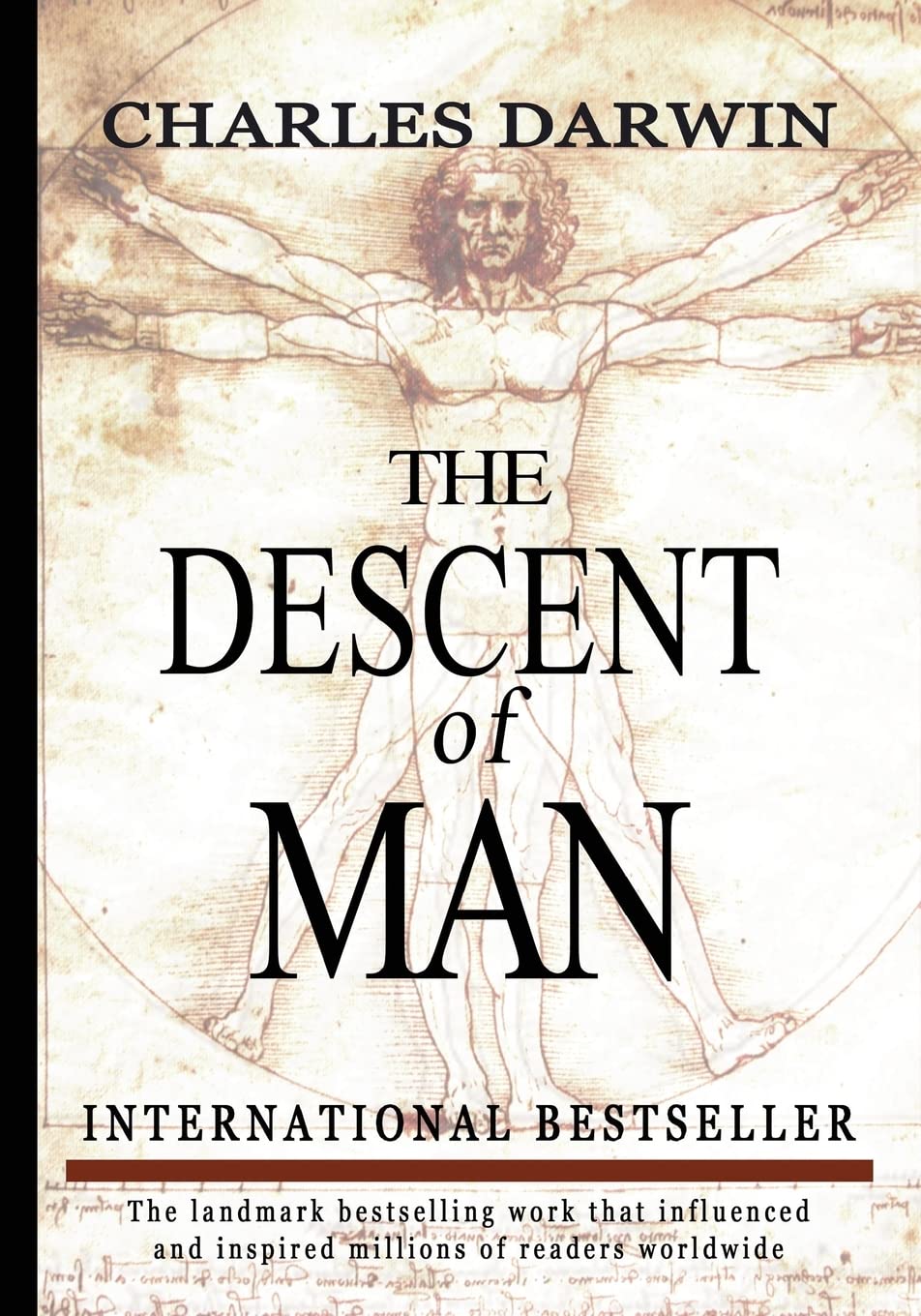
2. The Descent of Man by Charles Darwin
He continues:
The second occurred when biological research robbed man of his apparent superiority under special creation, and rebuked him with his descent from the animal kingdom, and his ineradicable animal nature. This re-valuation, under the influence of Charles Darwin, [his book ‘The Descent of Man,’] Wallace and their predecessors, was not accomplished without the most violent opposition of their contemporaries.
3. A General Introduction to Psycho-Analysis by Sigmund Freud
Freud concludes with this thought:
But the third and most irritating insult is flung at the human mania of greatness by present-day psychological research, which wants to prove to the ‘I’ that it is not even master in its own home, but is dependent upon the most scanty information concerning all that goes on unconsciously in its psychic life.
Complement these three great outrages against humanity’s naive self-love from Freud’s “A General Introduciton to Psychoanalysis” with poet Mary Oliver on loving the world as we love each other, and then revisit deep ecologist John Seed on going beyond anthropocentrism.

I’m a freelance writer with 6 years of experience in SEO blogging and article publishing. While you’re here, get the latest updates by subscribing to my newsletter.