 Have you ever considered dating yourself? They say that in order to love others, you must first love yourself. Those who believe in this injunction assume that your dating problems, if any, may stem from a lack of self-love.
Once you learn to love yourself, it will be easier to date others and eventually meet “your other half,” someone who will finally complete you and make you happy.
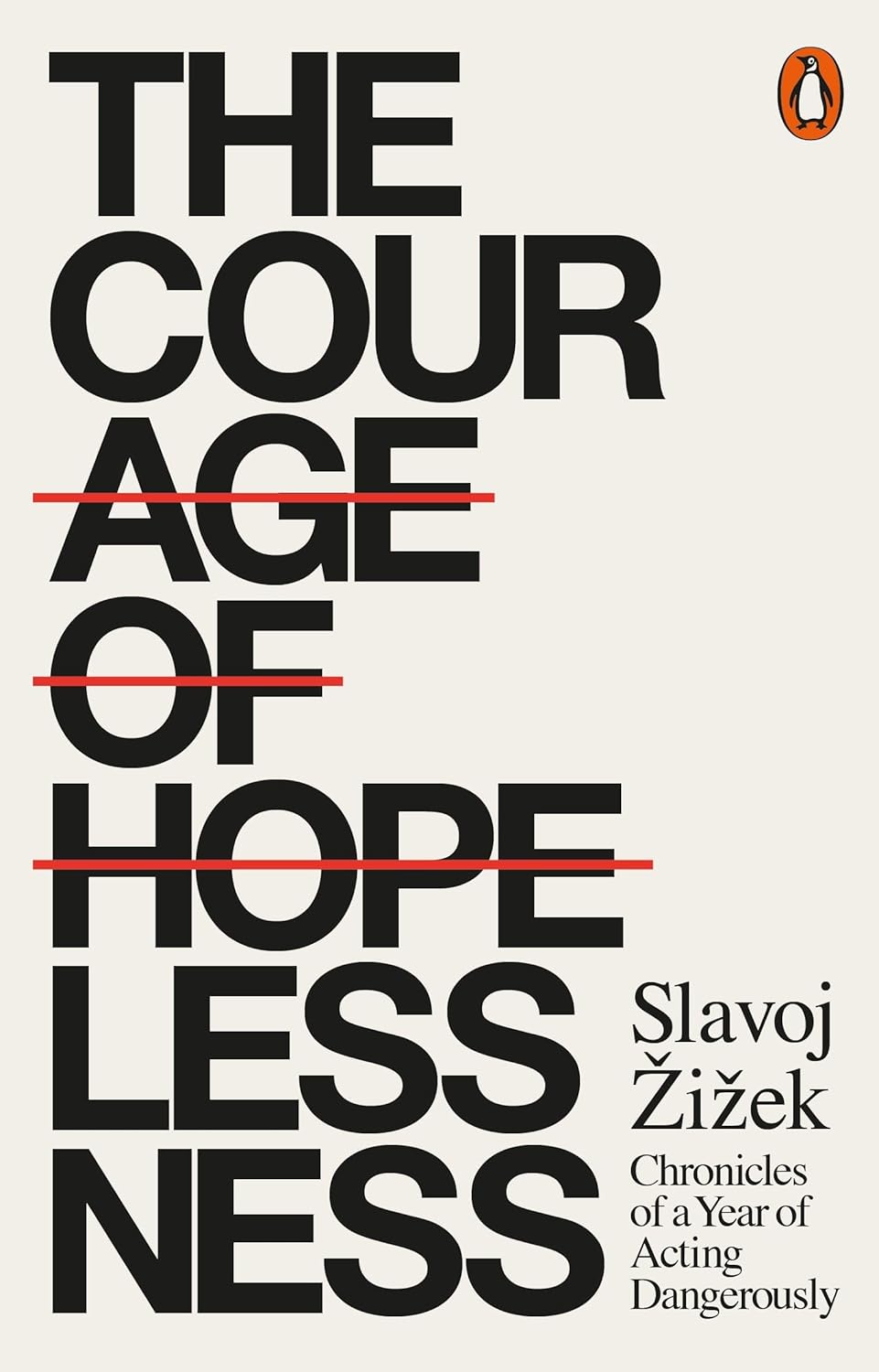
Slavoj Žižek (b. March 21, 1949) begs to differ. In his altogether indispensable “The Courage of Hopelessness: Chronicles of a Year of Acting Dangerously,” the Slovenian philosopher takes a humorous jab at the concept of self-dating.
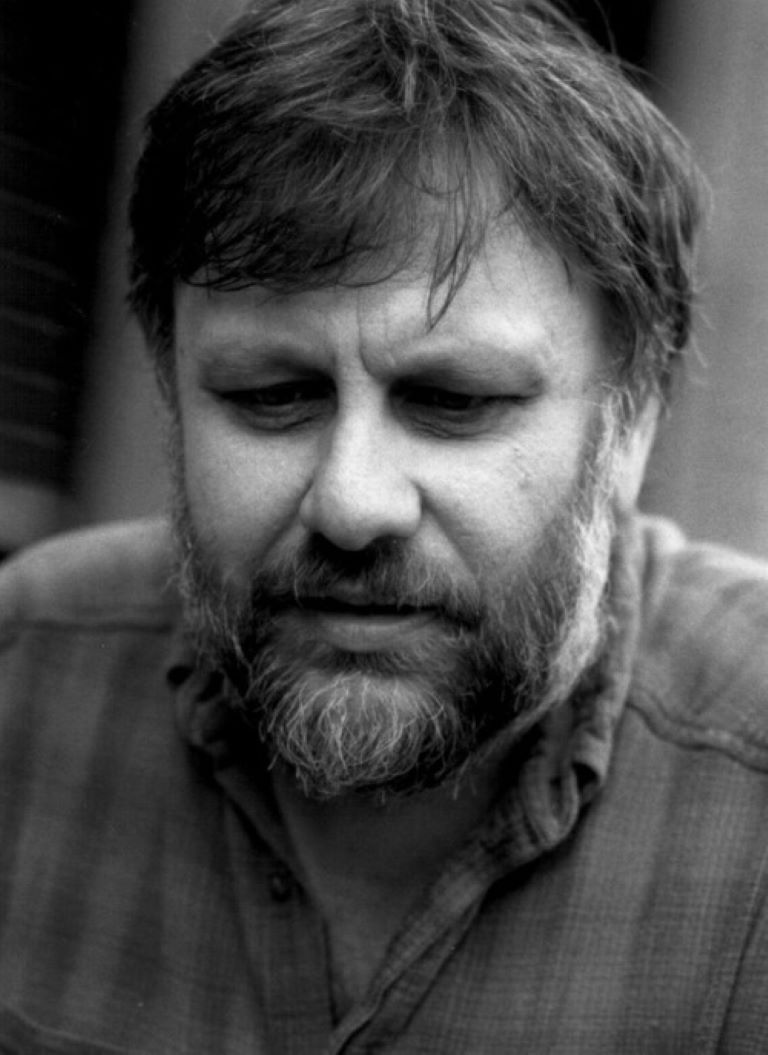
Slavoj Žižek writes:
Love reading and writing? Submit a post to our blog.
Far from being an idiosyncratic eccentricity, the idea of self-dating and self-marrying circulates more and more on the web. Technical details on how to proceed with self-dating abound: the prospective self-lover should leave loving messages all around his or her apartment; when one decides on a self-date, one should put one’s apartment in order, prepare a nice table with candles, put on one’s best clothes, inform one’s friends that one has an important meeting with oneself … The goal of self-dating is to gain a deep knowledge of oneself, of what one really is and wants, so that, by taking a vow to my deeper self, I can achieve self-acceptance and self-harmonization, and this will enable me to lead a deeply satisfied life … won’t it?
Before we collapse into laughter at this idea and dismiss it as an extreme expression of contemporary pathological narcissism, we should ascertain its moment of truth: the idea of self-dating and self-marrying presupposes that I am not directly one with myself. I can marry myself only if I am not directly myself, so that my self-unity has to be registered by the big Other, performed in a symbolic ceremony, made ‘official.’ Here, however, problems arise: how does this inscription into the symbolic order, in the eyes of which I am then ‘married to myself’, relate to my direct self-experience?
What if the result of my probing into myself is that I discover that I don’t like what I find there at all? What if all I find is the filth of envy, sadistic fantasies and disgusting sexual obsessions? What if the much-celebrated ‘inner wealth’ of my personality is inherently excremental — vulgari eloquentia, what if I am really full of shit? In short, what if I discover that I am my own neighbour in the strict biblical sense (the abyss of an impenetrable X totally foreign to my official self), and what if I search for contact with others precisely to escape from myself? They say that in order to love others, you have to love yourself — truly?
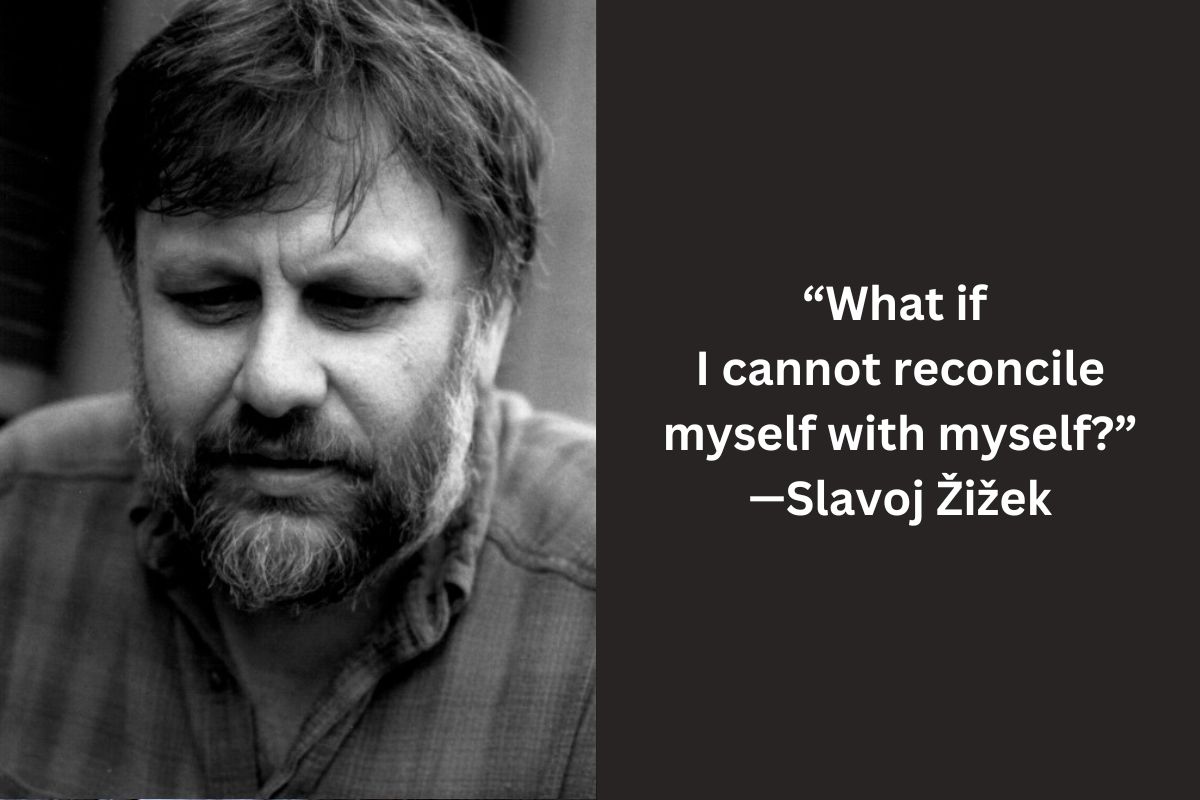
What if the opposite holds, at two levels: I love others to escape myself, and I can only love myself insofar as I am able to love others? Self-marrying presupposes that I’ve found peace with myself — but what if I cannot reconcile myself with myself? And what if I fully discover this only after I get married to myself? Should I enact a formal self-divorce? Should this divorce be permitted for Catholics? This is why, apropos of the injunction to love your neighbour as yourself, Lacan acerbically noted ‘the impossibility of responding to this sort of challenge in the first person; no one ever supposed that to this “Thou shalt love thy neighbour as thyself,” an “I love my neighbour as myself” could answer, because obviously the weakness of this formulation is clear to everyone.’
Slavoj Žižek concludes:
Therein resides the problem with the well-known motto ‘Be yourself’ … Which self? Insofar as the self whom I marry when I self-marry is my ideal ego, ‘the best in me,’ the idealized image of myself, relaxed self-identification and self-acceptance imperceptibly turn into radical self-alienation, and the fear that I am not true to my ‘true self’ haunts me forever.
Complement “The Courage of Hopelessness” with Eckhart Tolle on what it really means to be yourself.

I’m a freelance writer with 6 years of experience in SEO blogging and article publishing. While you’re here, get the latest updates by subscribing to my newsletter.