.
 Technically speaking, a writer’s block can’t stop you in the age of AI. Just ask ChatGPT to write something for you, and it will produce a better result in a few minutes than an average human can produce in a few hours.
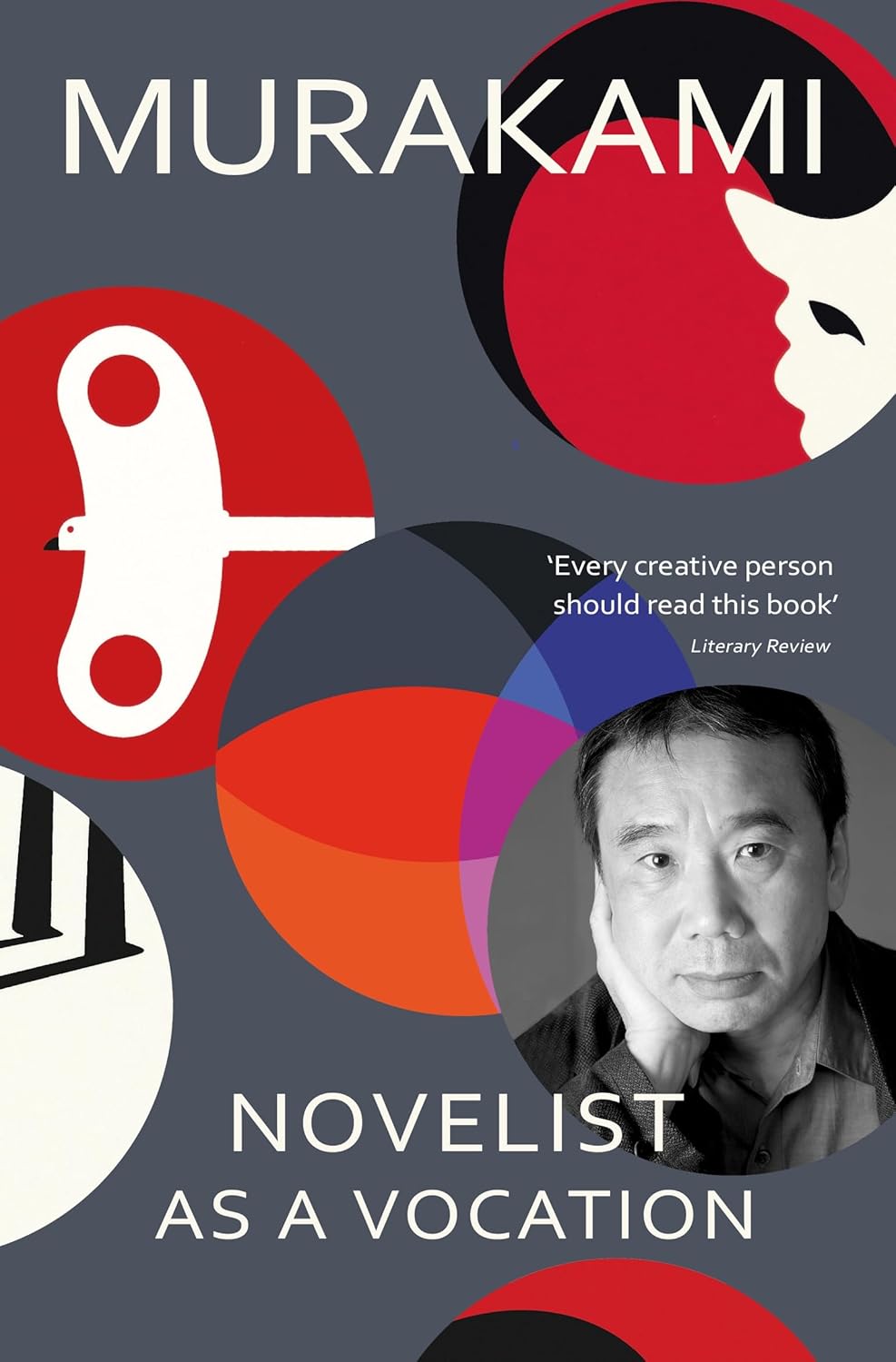
You’ll not do it, however, if writing helps you enter the state of flow. That’s why I was excited to read “Novelist as a Vocation” by Haruki Murakami (b. January 12, 1949), where he reveals his secret to overcoming a writer’s block. This simple, delightful approach can be found in the chapter titled “On Originality.”
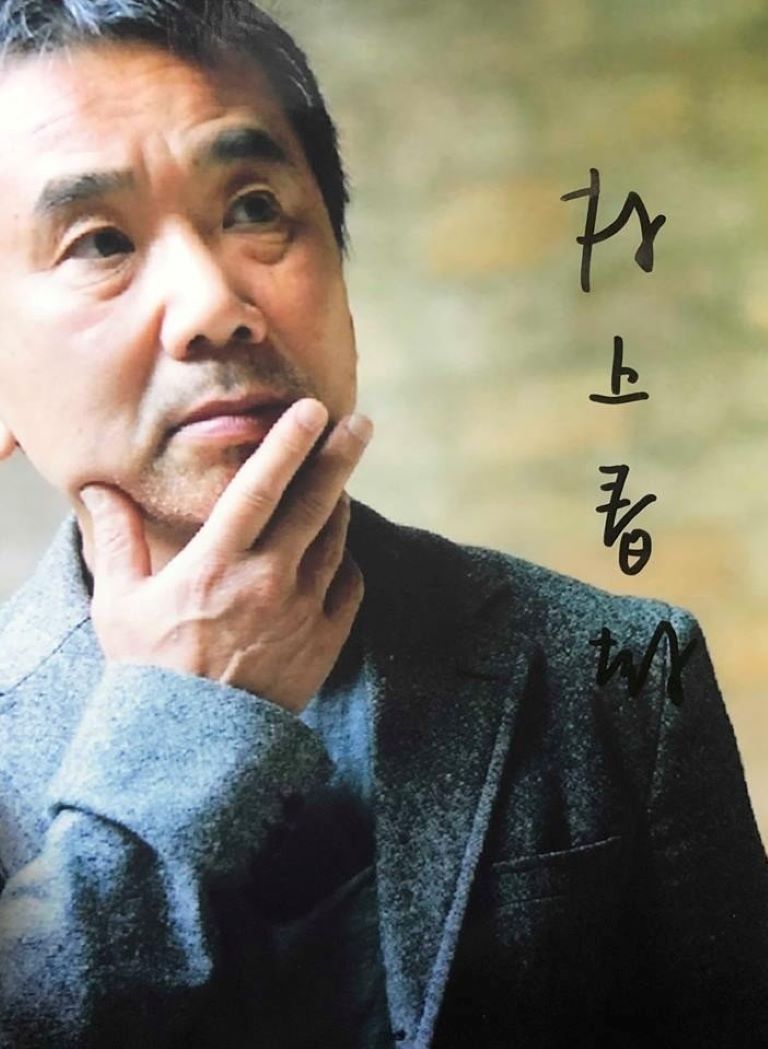
Haruki Murakami writes:
Love reading and writing? Submit a post to our blog.
I have been writing fiction for more than thirty-five years at the time of this book’s writing; yet I have never experienced what is commonly known as “writer’s block.” Wanting to write but being unable to is unknown to me. That may make it sound as if I am overflowing with talent, but the actual reason is much simpler: I never write unless I really want to, unless the desire to write is overwhelming.
When I feel that desire, I sit down and set to work. When I don’t feel it, I usually turn to translating from English. Since translation is essentially a technical operation, I can pursue it on a daily basis, quite separate from my creative desire; yet at the same time it is a good way to hone my writing skills — were I not a translator, I’m sure I would have found another related pursuit.
In a sentiment that calls to mind Stephen King’s famous assertion that if nothing goes in, nothing comes out, Murakami adds:
After a while, however, the desire to write begins to mount. I can feel my material building up within me, like spring melt pressing against a dam. Then one day (in a best-case scenario), when I can’t take that pressure anymore, I sit down at my desk and start to write. Worry about journal editors impatiently awaiting a promised manuscript never enters the picture. I don’t make promises, so I don’t have deadlines.
As a result, writer’s block and I are strangers to each other. As you might expect, that makes my life much happier. It must be terribly stressful for a writer to be put in the position of having to write when he doesn’t feel like it. (Could I be wrong? Do most writers actually thrive on that kind of stress?)
Complement this timeless advice from “Novelist as a Vocation” with George Orwell’s six rules of writing, Jack Kerouac’s 30 beliefs and techniques, and then revisit the worst writing advice you can give to a beginner.

I’m a freelance writer with 6 years of experience in SEO blogging and article publishing. While you’re here, get the latest updates by subscribing to my newsletter.