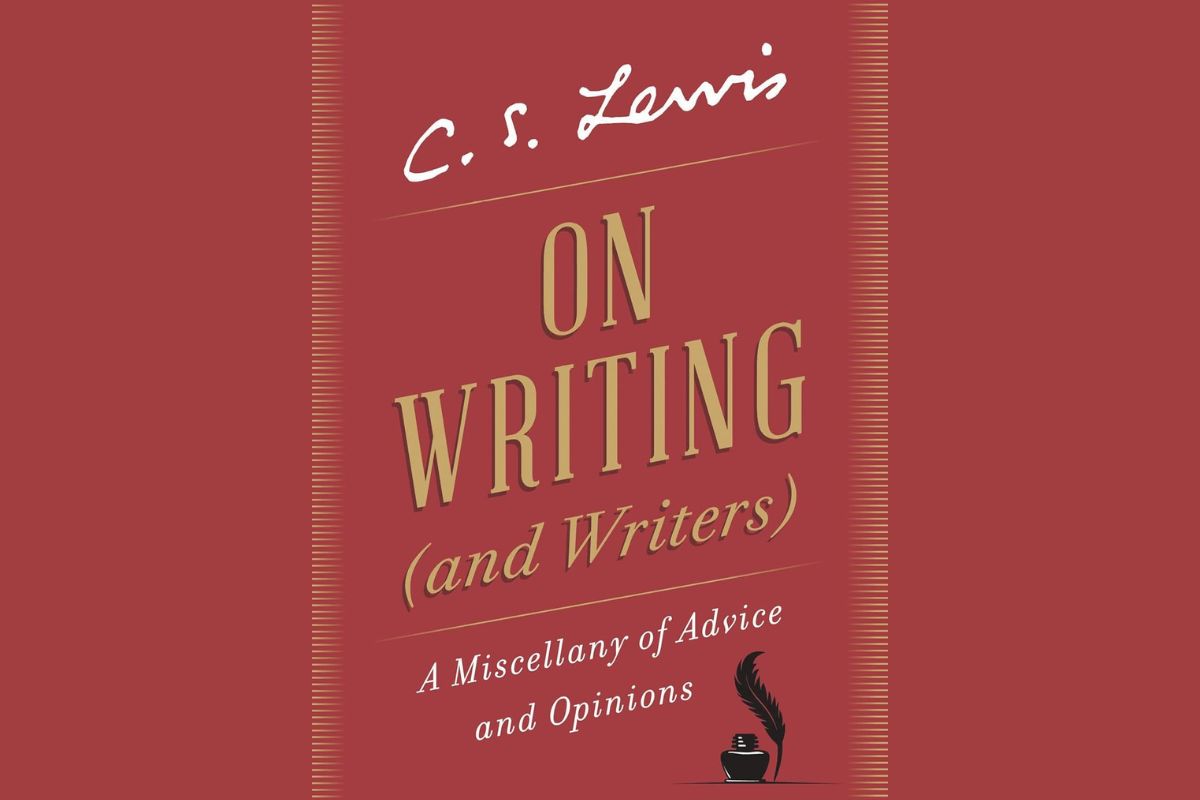
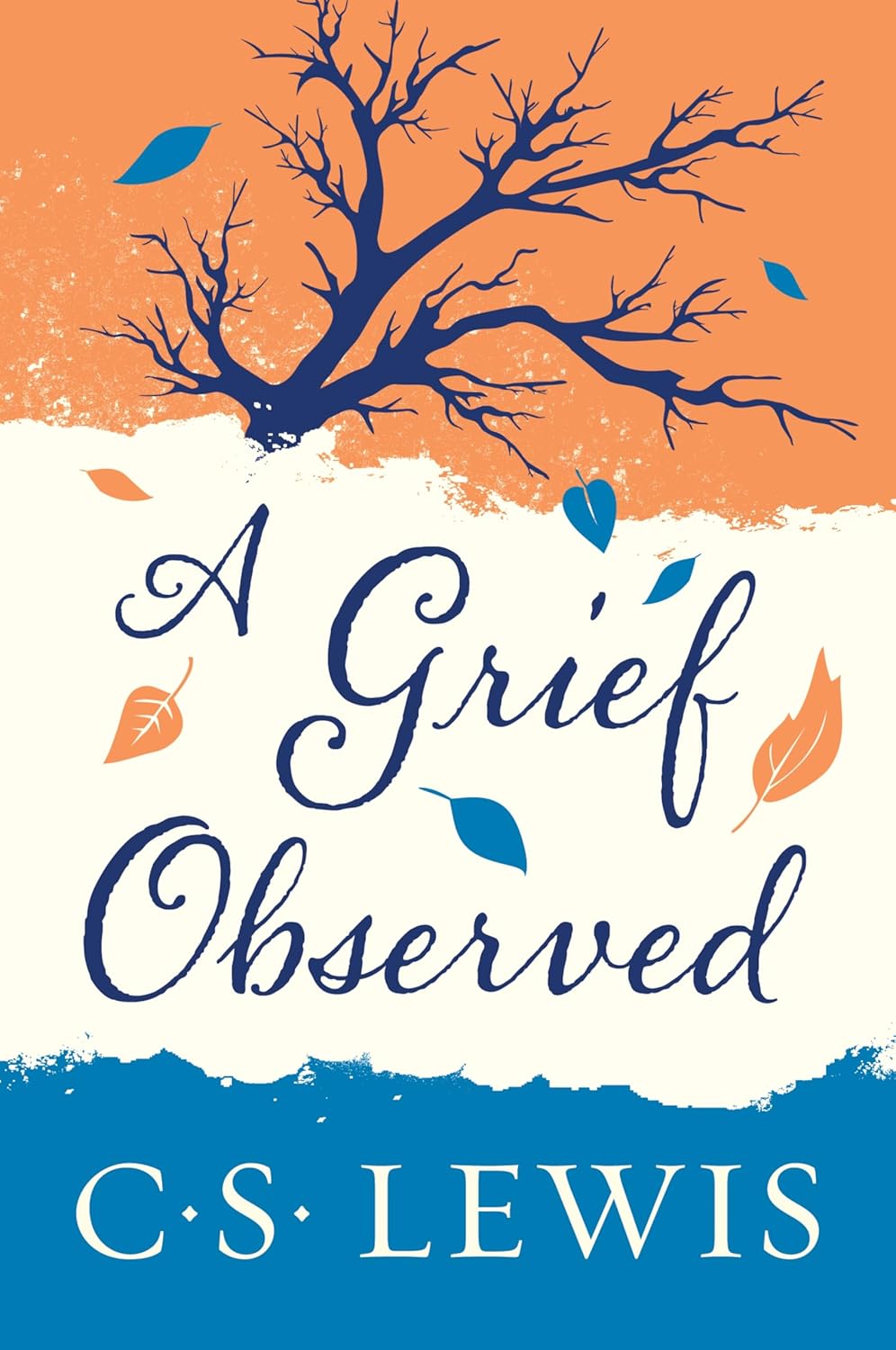
 The best literary works often arise from an author’s personal tragedy. Such is “A Grief Observed,” a book that shows how loss can unravel your entire life.
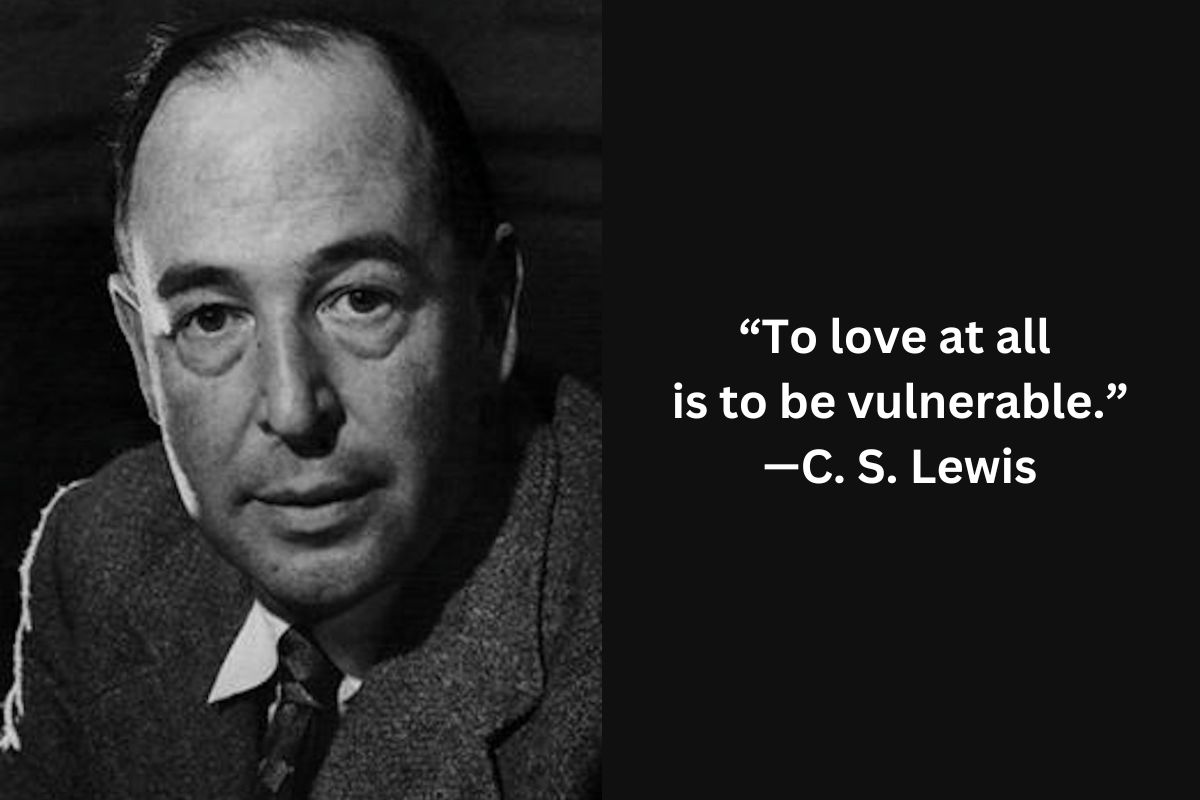
C. S. Lewis (November 29, 1898– November 22, 1963) wrote it after losing his wife, Joy Davidman, to cancer. At the time of her death, they had been married only for four years.
Yet this untimely separation left Lewis with a lifetime of emotional pain and suffering, leading to a circular questioning of himself and his faith in God. In one of the entries, he recounts:

Love reading and writing? Submit a post to our blog.
And no one ever told me about the laziness of grief. Except at my job — where the machine seems to run on much as usual — I loathe the slightest effort. Not only writing but even reading a letter is too much. Even shaving. What does it matter now whether my cheek is rough or smooth?
They say an unhappy man wants distractions — something to take him out of himself. Only as a dog-tired man wants an extra blanket on a cold night; he’d rather lie there shivering than get up and find one. It’s easy to see why the lonely become untidy; finally, dirty and disgusting.
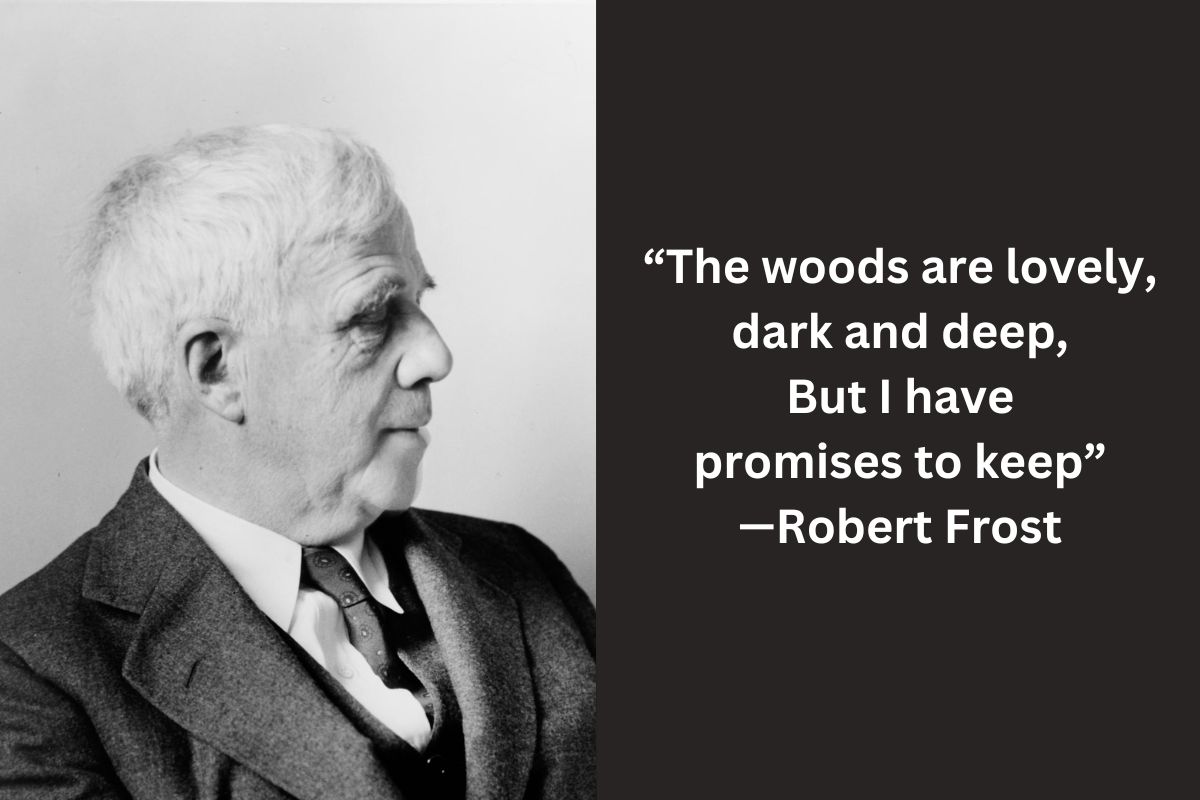
In a sentiment that calls to mind Robert Frost’s memorable meditation on God, life, and death — “Whose woods these are I think I know / His house is in the village though,” he wrote — Lewis adds:
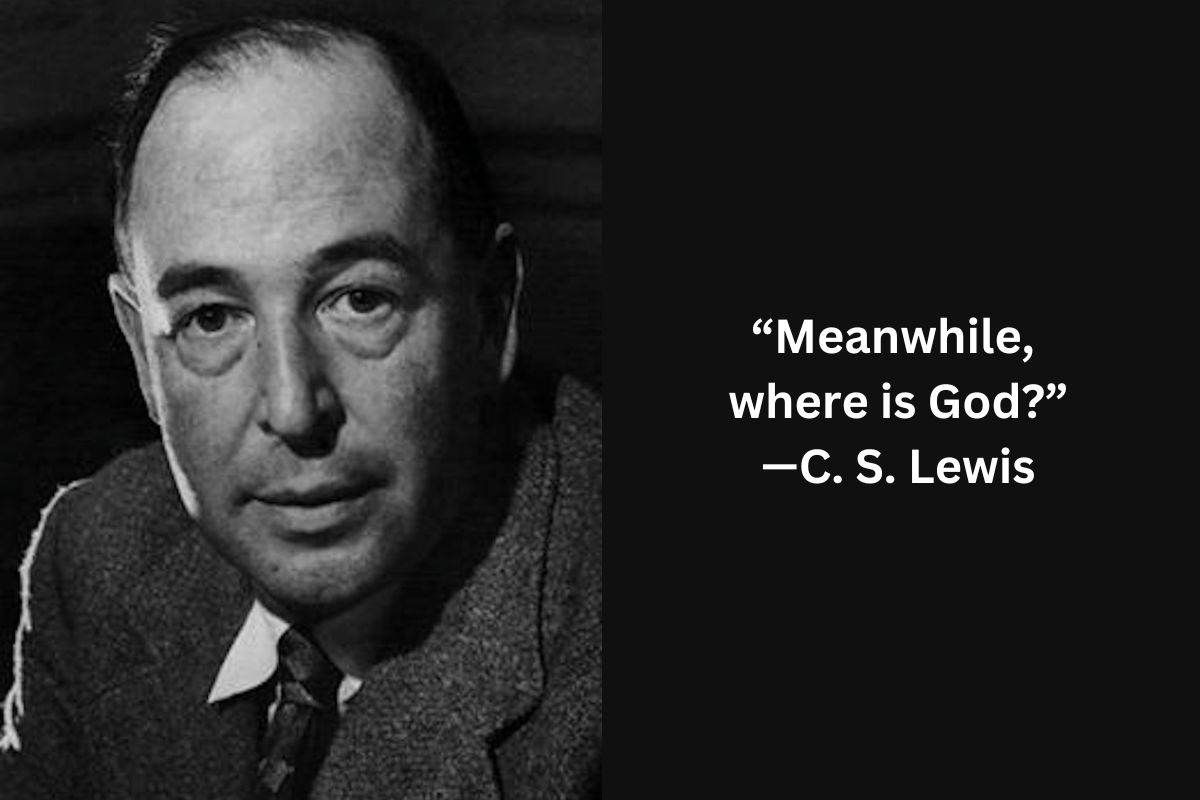
Meanwhile, where is God? This is one of the most disquieting symptoms. When you are happy, so happy that you have no sense of needing Him, so happy that you are tempted to feel His claim upon you as an interruption, if you remember and turn to Him with gratitude and praise, you will be — or so it feels — welcomed with open arms.
But go to Him when your need is desperate, when all other help is vain, and what do you find? A door slammed in your face, and a sound of bolting and double bolting on the inside. After that, silence. You may as well turn away.
The longer you wait, the more emphatic the silence will become. There are no lights in the windows. It might be an empty house. Was it ever inhabited? It seemed so once. And that seeming was as strong as this. What can this mean? Why is He so present a commander in our time of prosperity and so very absent a help in time of trouble?
Complement “A Grief Observed” with David Kessler on finding meaning after loss, what the Buddha taught about overcoming grief, and then revisit seven best books on grief and grieving.

I’m a freelance writer with 6 years of experience in SEO blogging and article publishing. While you’re here, get the latest updates by subscribing to my newsletter.