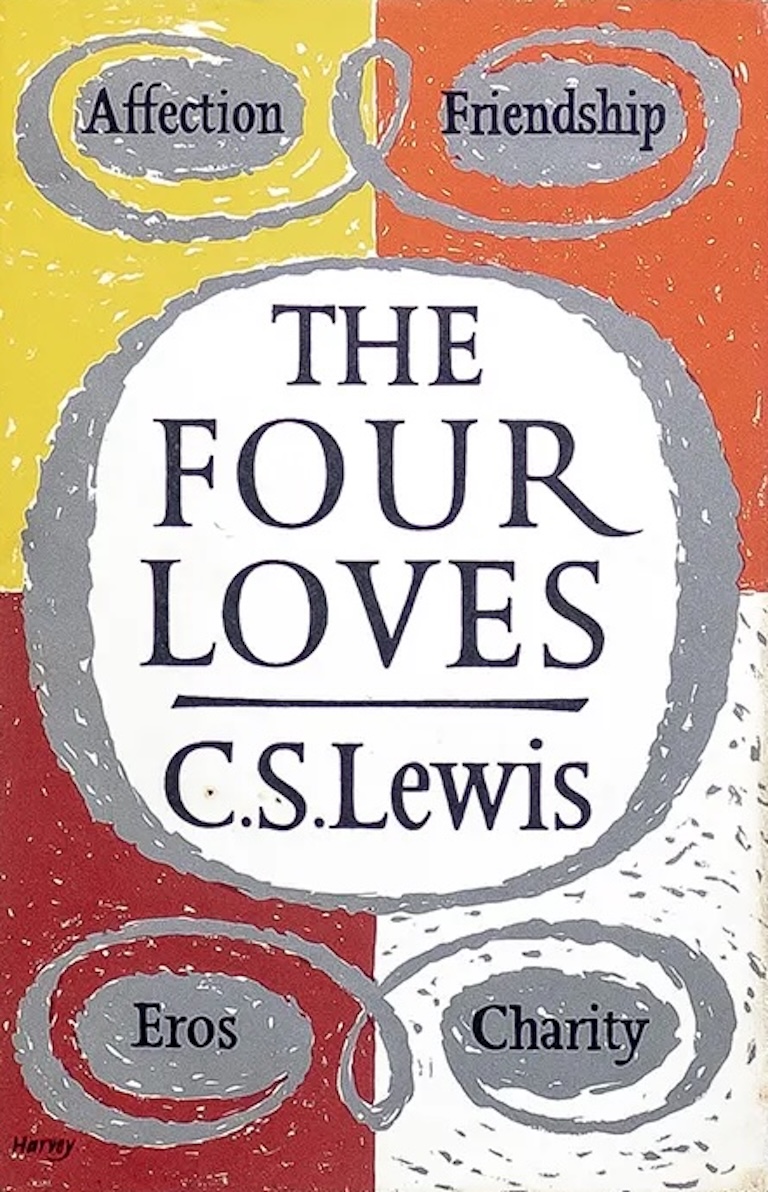
 Perhaps the most important question ever asked was, “To be, or not to be?” Equally important question, in my opinion, is, “To love, or not to love?”
This is what British author C.S. Lewis (November 29, 1898–November 22, 1963) explores in his book “The Four Loves.”
It’s a must-read for anyone interested in the complexities of human relationships and the power of love to shape our lives. In the chapter titled “Charity,” he writes:

Love reading and writing? Submit a post to our blog.
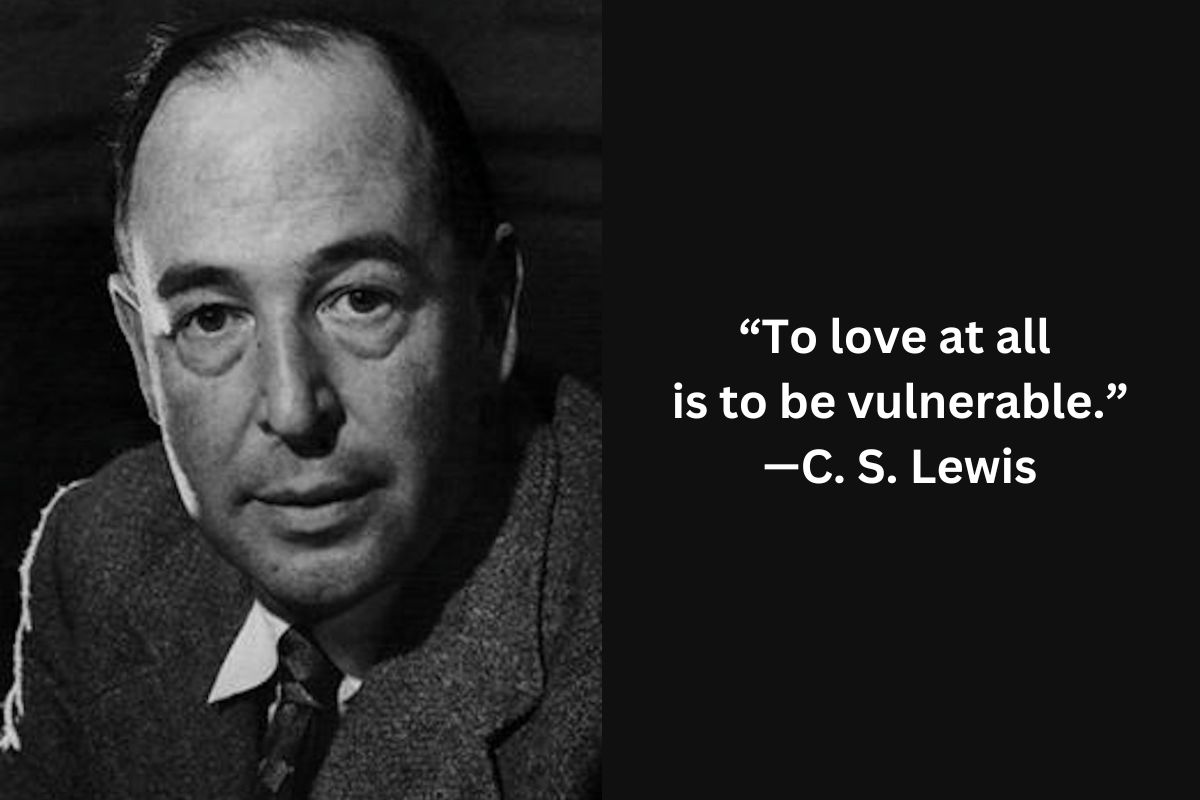
To love at all is to be vulnerable. Love anything, and your heart will certainly be wrung and possibly be broken. If you want to make sure of keeping it intact, you must give your heart to no one, not even to an animal.
Wrap it carefully round with hobbies and little luxuries; avoid all entanglements; lock it up safe in the casket or coffin of your selfishness. But in that casket — safe, dark, motionless, airless — it will change. It will not be broken; it will become unbreakable, impenetrable, irredeemable.
The alternative to tragedy, or at least to the risk of tragedy, is damnation. The only place outside Heaven where you can be perfectly safe from all the dangers and perturbations of love is Hell.
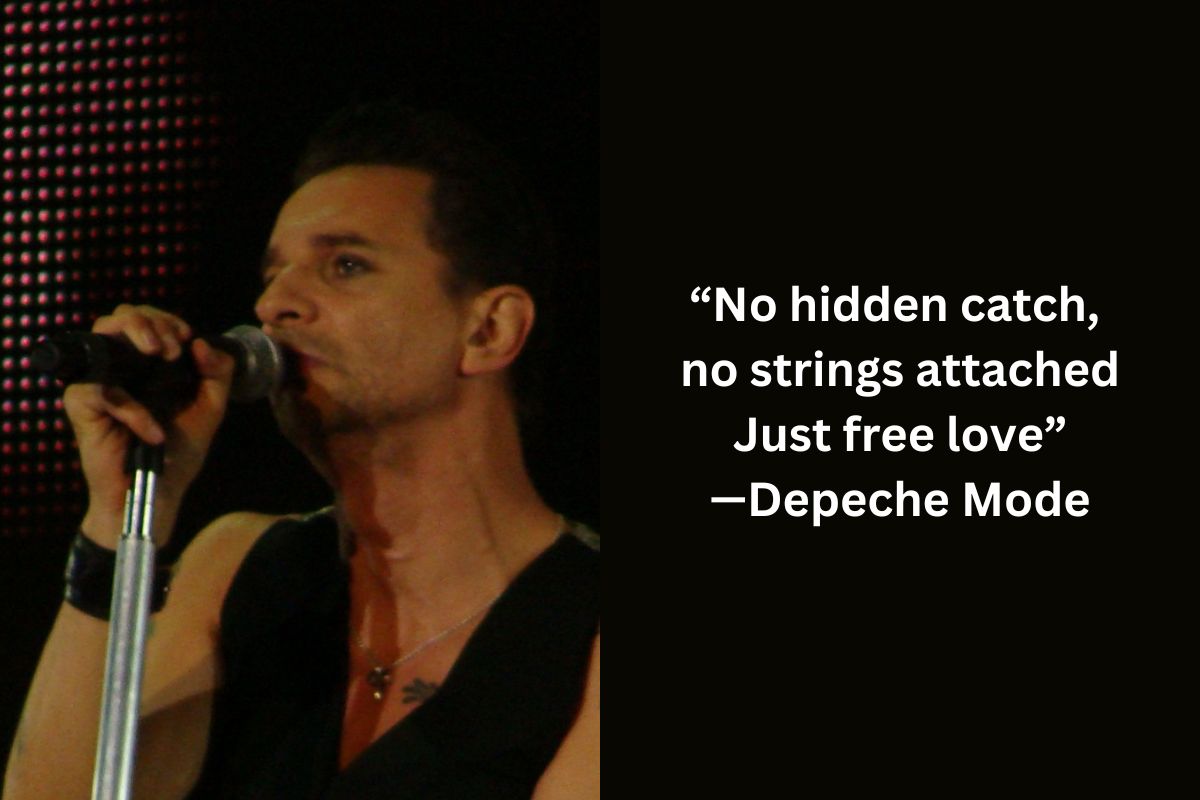
Complement this mini-meditation from “The Four Loves” with Ram Dass on how to be in love, Van Gogh on the essence of true love, Depeche Mode on freelove, and the Buddha’s teaching on how to practice lovingkindness meditation.

I’m a freelance writer with 6 years of experience in SEO blogging and article publishing. While you’re here, get the latest updates by subscribing to my newsletter.