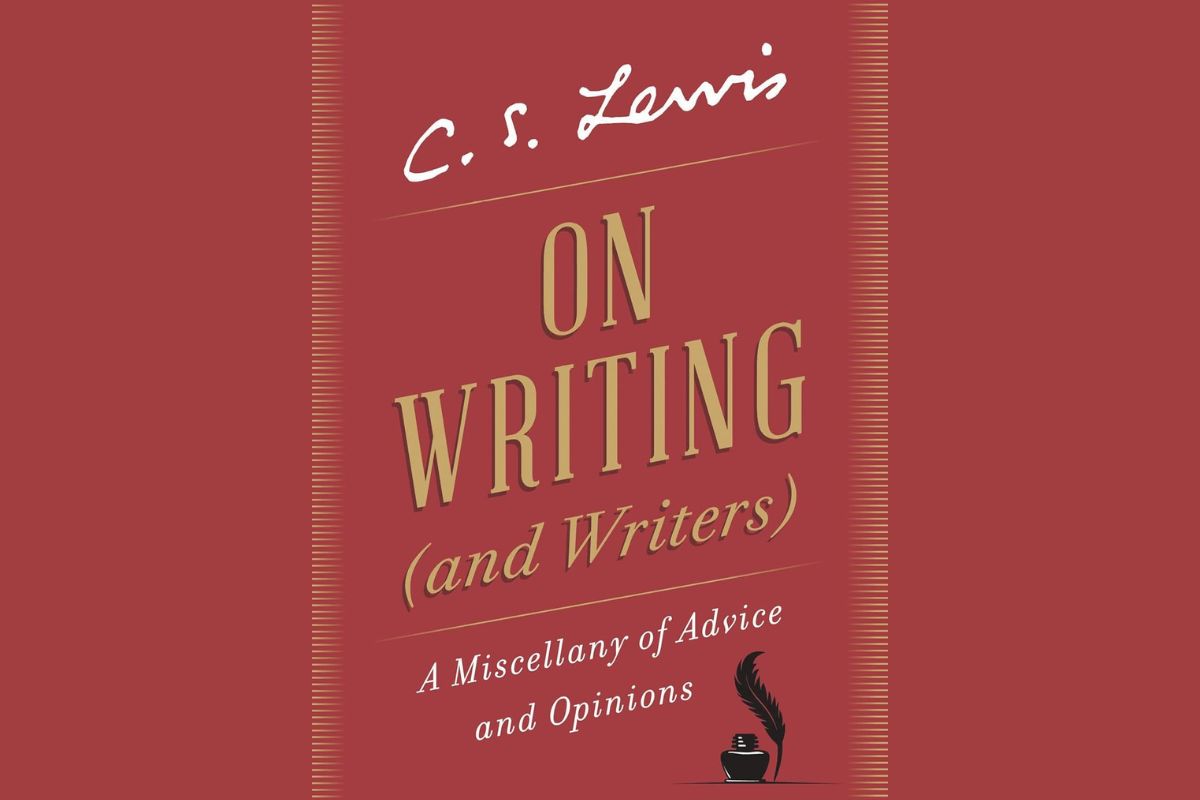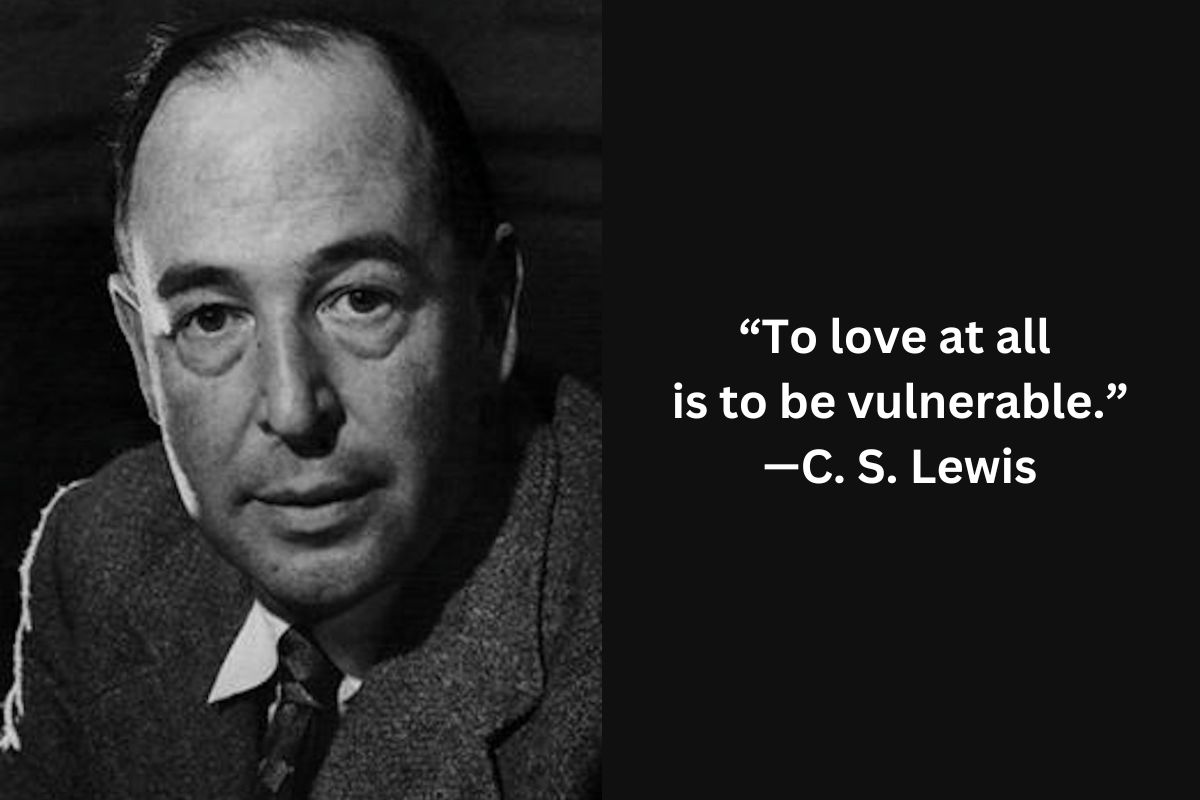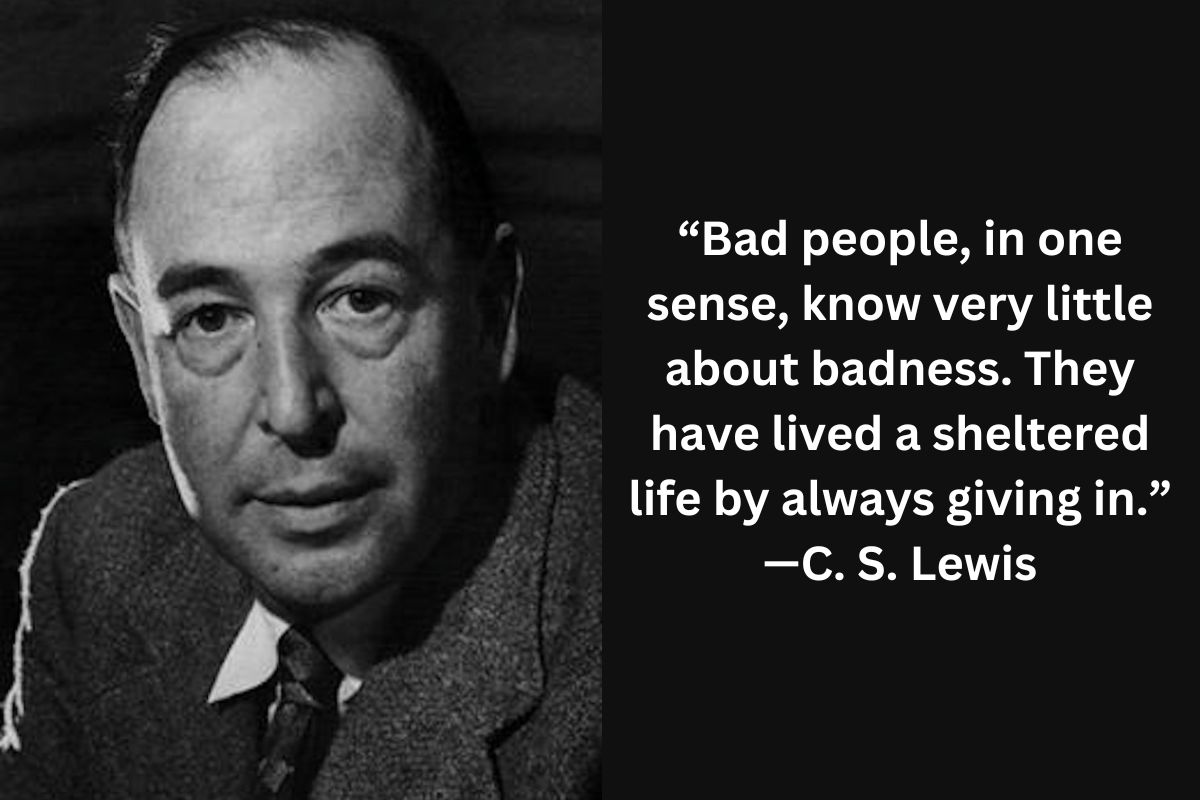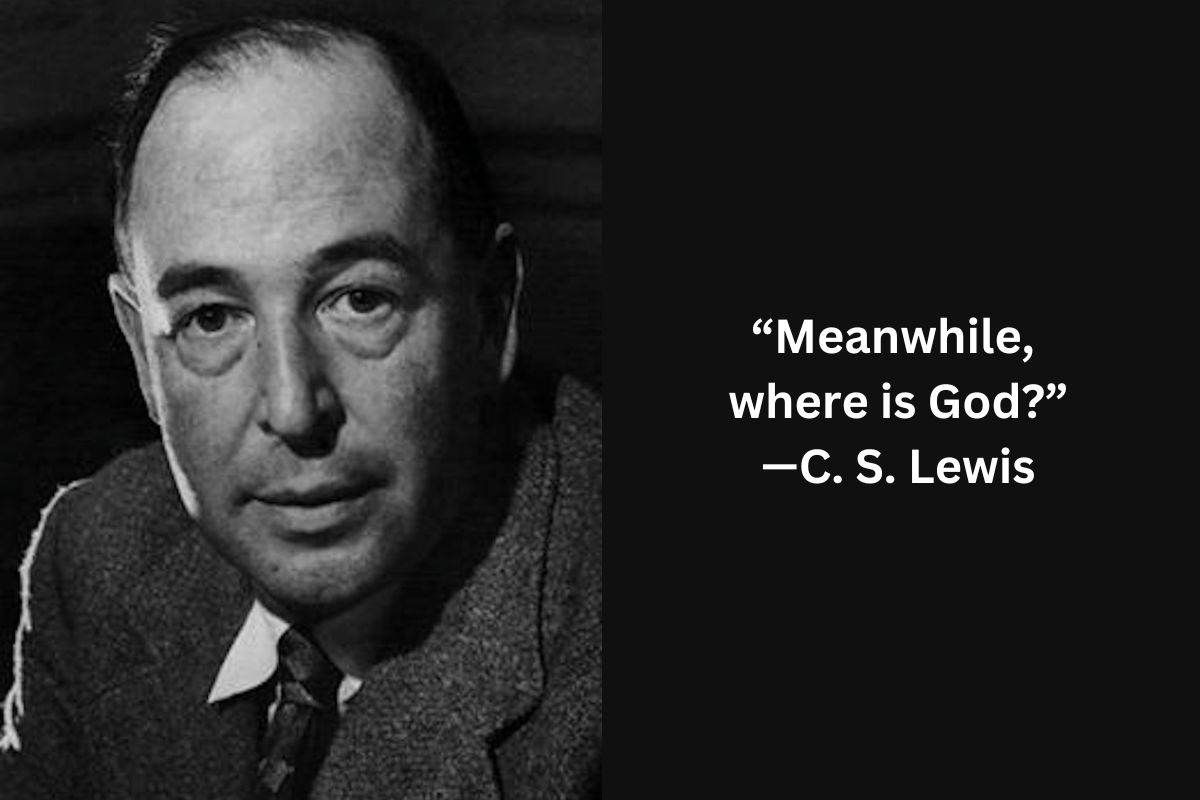
 The first book on my reading list this year will be “On Writing (and Writers): A Miscellany of Advice and Opinions” by C.S. Lewis (November 29, 1898–November 22, 1963), one of my favorite storytellers.
His love of the written word was rivaled only by his love of God and belief in the inherent dignity of every human being.
That’s why I also want to share this short compilation of his best nonfiction books, starting with “The Pilgrim’s Regress: An Allegorical Apology for Christianity,” a work of fiction included in this list because of its foundational role in understanding the evolution of Lewis’ religious views.

Love reading and writing? Submit a post to our blog.
1. The Pilgrim’s Regress
The first book written by C. S. Lewis after his conversion to Christianity, “The Pilgrim’s Regress” is a profound allegorical tale that explores the spiritual journey of a man named John as he searches for truth and meaning in a confusing and often contradictory world.
Written as a modern-day retelling of John Bunyan’s “The Pilgrim’s Progress”, this novel follows John’s path through various philosophical and ideological landscapes, each symbolizing different worldviews, temptations, and misconceptions about truth, morality, and faith.
John’s quest leads him through encounters with figures representing intellectualism, hedonism, and totalitarianism, each offering false answers to his deep longing for “the Island,” a metaphor for ultimate truth and spiritual fulfillment.
Along the way, Lewis weaves in his own conversion to Christianity, offering reflections on reason, desire, and the nature of faith.
With its rich symbolism and deep philosophical insights, “The Pilgrim’s Regress” is not only a critique of the intellectual and cultural trends of Lewis’s time, but also a timeless exploration of the soul’s journey toward divine understanding.
For readers who appreciate allegory, philosophy, and spiritual reflection, this book is a challenging yet rewarding read, providing an early glimpse into Lewis’s genius as both a storyteller and thinker.
2. The Problem of Pain
“If God is good and all-powerful, why does he allow his creatures to suffer pain?” Every true believer who has ever lived has asked this question. Even Jesus, the Son of God, asked God why He had forsaken Him.
This universally applicable question of the human condition is examined in “The Problem of Pain” by C.S. Lewis, one of the most renowned Christian authors and thinkers.
With his signature wealth of compassion and insight, Lewis offers his answers to these crucial questions and shares his hope and wisdom to help heal a lost and hurting world desperate for a true understanding of human nature.
3. The Abolition of Man
In “The Abolition of Man,” C.S. Lewis delivers a thought-provoking critique of modern education and its implications for morality and humanity. Drawing on his deep understanding of philosophy, literature, and theology, Lewis presents a compelling argument against the reduction of human values to mere subjective preferences.
Through a series of incisive essays, Lewis explores the consequences of a worldview that denies the existence of objective moral truths and seeks to replace them with arbitrary standards of individual preference. He warns of the dangers of moral relativism and the erosion of essential human qualities such as virtue, courage, and compassion.
With clarity and precision, Lewis argues for the importance of objective values rooted in the natural law and the enduring wisdom of the ages. He challenges readers to confront the implications of a world devoid of moral absolutes and to recognize the inherent dignity and worth of every human being.
As relevant today as when it was first published, “The Abolition of Man” continues to spark meaningful discussions about the nature of morality, the role of education, and the preservation of human values in an increasingly secular and relativistic society.
Engaging, insightful, and profoundly relevant, this timeless classic is essential reading for anyone concerned with the future of humanity and the preservation of moral truth in a world adrift.
4. Mere Christianity
“Mere Christianity” explores the core beliefs of Christianity by providing an unequaled opportunity for believers and nonbelievers alike to hear a powerful, rational case for the Christian faith.
A brilliant collection, “Mere Christianity” remains strikingly fresh for the modern reader and at the same time confirms C. S. Lewis’s reputation as one of the leading writer and thinkers of our age.
The book brings together Lewis’ legendary broadcast talks during World War II. Lewis discusses what everyone is curious about: right and wrong, human nature, morality, marriage, sins, forgiveness, faith, hope, generosity, and kindness.
5. Miracles
“Miracles” by C. S. Lewis is a profound exploration of the nature of miracles and their significance in the Christian faith.
Lewis, known for his eloquent prose and logical reasoning, delves into the philosophical implications of miracles, arguing that they are not merely violations of natural law but rather manifestations of a higher reality.
He examines various types of miracles, including those found in the Bible, and discusses how they reveal the character of God and the divine intervention in human history, inviting readers to reconsider their understanding of the supernatural.
In this work, Lewis also addresses common objections to the belief in miracles, engaging with skeptics and providing thoughtful counterarguments. He emphasizes the importance of faith and reason, suggesting that belief in miracles can coexist with rational thought.
Through his insightful analysis, Lewis encourages readers to open their minds to the possibility of the miraculous, urging them to see beyond the confines of naturalism.
“Miracles” remains a significant contribution to Christian apologetics, challenging readers to reflect on the extraordinary within the ordinary.
6. Surprised by Joy: The Shape of My Early Life
In the closest thing we have to an autobiography, C. S. Lewis, an unfailingly honest and perceptive observer of self, here shares the story of his personal spiritual journey.
With characteristic candor and insight, he describes how his “search for joy” led him from the conventional Christianity of his childhood to a youthful atheism, and finally back to an assured Christianity compatible with his formidable intellect.
With no pretense, Lewis describes his early schooldays, his experiences in the trenches during World War I, and his undergraduate life at Oxford, where he reasoned his way to God.
Lewis’ “Surprised by Joy” holds continuing interest not only for admirers of his work but for any modern seeker concerned with the compatibility of the rational and the spiritual.
7. The Four Loves
“The Four Loves” summarizes four kinds of human love — affection, friendship, erotic love, and the love of God.
Masterful without being magisterial, this book’s wise, gentle, candid reflections on the virtues and dangers of love draw on sources from Jane Austen to St. Augustine.
The chapter on Charity (love of God) may be the best thing C.S. Lewis ever wrote about Christianity.
His description of Christianity here is no less forceful and opinionated than in “Mere Christianity” or “The Problem of Pain,” but it is far less anxious about its reader’s response — and therefore more persuasive than any of his apologetics.
Complement this list of seven best nonfiction books by C.S. Lewis with his meditations on love and loss.

I’m a freelance writer with 6 years of experience in SEO blogging and article publishing. While you’re here, get the latest updates by subscribing to my newsletter.