 I already wrote why most of my reading is done on Kindle, and why it plays a crucial role in sustaining this blog.
However, most of my active reading is done on a printed page because it offers a unique opportunity to have a tangible back and forth with the author as I immerse myself in his words and carefully crafted sentences.
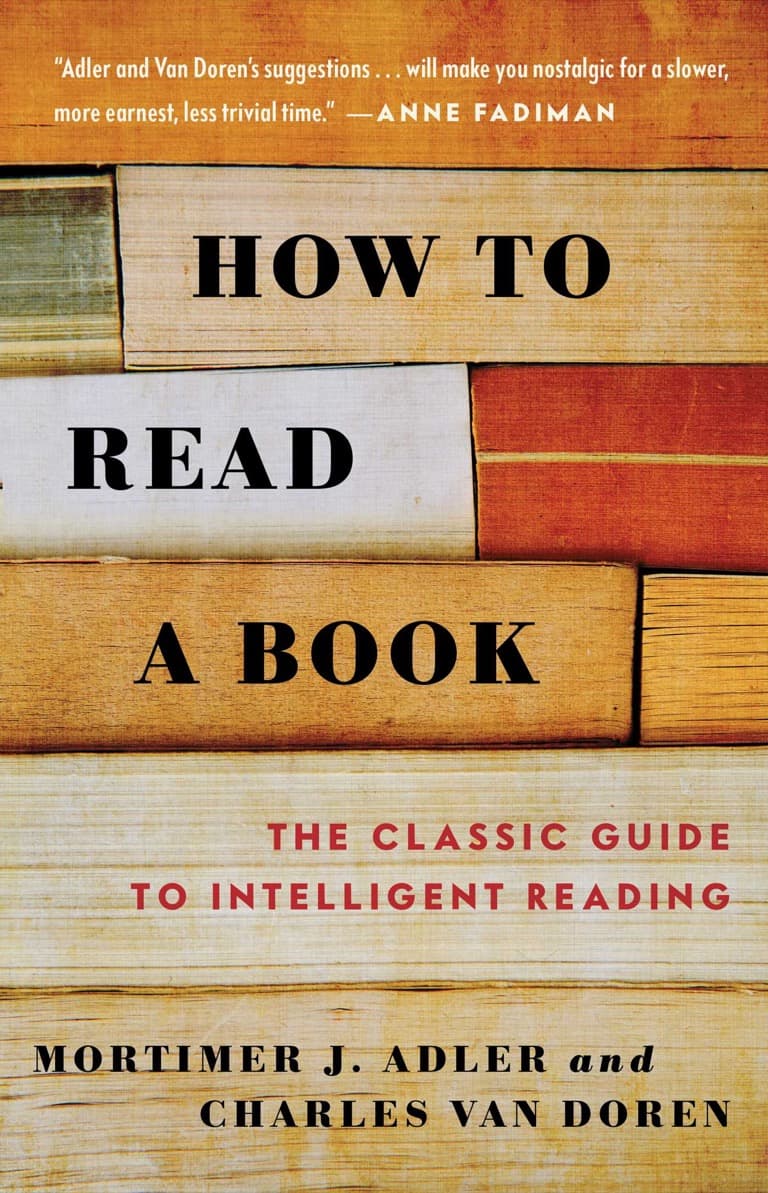
I’m talking about the lost art of making notes in the margins of your favorite books. If you want to learn its secrets, Mortimer Adler (December 28, 1902–June 28, 2001) lists seven best “devices for marking a book intelligently and fruitfully” in “How to Read a Book: The Classic Guide to Intelligent Reading.” He writes:
Love reading and writing? Submit a post to our blog.
1. Underlining — of major points; of important or forceful statements.
2. Vertical lines at the margin — to emphasize a statement already underlined or to point to a passage too long to be underlined.
3. Star, asterisk, or other doodad at the margin — to be used sparingly, to emphasize the ten or dozen most important statements or passages in the book. You may want to fold a corner of each page on which you make such marks or place a slip of paper between the pages. In either case, you will be able to take the book off the shelf at any time and, by opening it to the indicated page, refresh your recollection.
4. Numbers in the margin — to indicate a sequence of points made by the author in developing an argument.
5. Numbers of other pages in the margin — to indicate where else in the book the author makes the same points, or points relevant to or in contradiction of those here marked; to tie up the ideas in a book, which, though they may be separated by many pages, belong together. Many readers use the symbol “Cf” to indicate the other page numbers; it means “compare” or “refer to.”
6. Circling of key words or phrases — This serves much the same function as underlining.
7. Writing in the margin, or at the top or bottom of the page — to record questions (and perhaps answers) which a passage raises in your mind; to reduce a complicated discussion to a simple statement; to record the sequence of major points right through the book. The endpapers at the back of the book can be used to make a personal index of the author’s points in the order of their appearance.
Mortimer Adler concludes:
To inveterate book-markers, the front endpapers are often the most important. Some people reserve them for a fancy bookplate. But that expresses only their financial ownership of the book.
The front endpapers are better reserved for a record of your thinking. After finishing the book and making your personal index on the back endpapers, turn to the front and try to outline the book, not page by page or point by point (you have already done that at the back), but as an integrated structure, with a basic outline and an order of parts.
That outline will be the measure of your understanding of the work; unlike a bookplate, it will express your intellectual ownership of the book.
Complement these tips from “How to Read a Book” with Mortimer Adler on the four questions you should ask every book and Francine Prose on reading like a writer.

I’m a freelance writer with 6 years of experience in SEO blogging and article publishing. While you’re here, get the latest updates by subscribing to my newsletter.