.
 I started my very first WordPress blog because I wanted to share what I knew with others. It was an attempt at carving up my own corner of the Internet, where I could meet like-minded people. It wasn’t an attempt at becoming a better writer.
Yet a decade and several selves later, that’s exactly what it has become. This blog is all about writing and being a writer. It’s an activity that allows me to enter the state of flow and do what I love most.
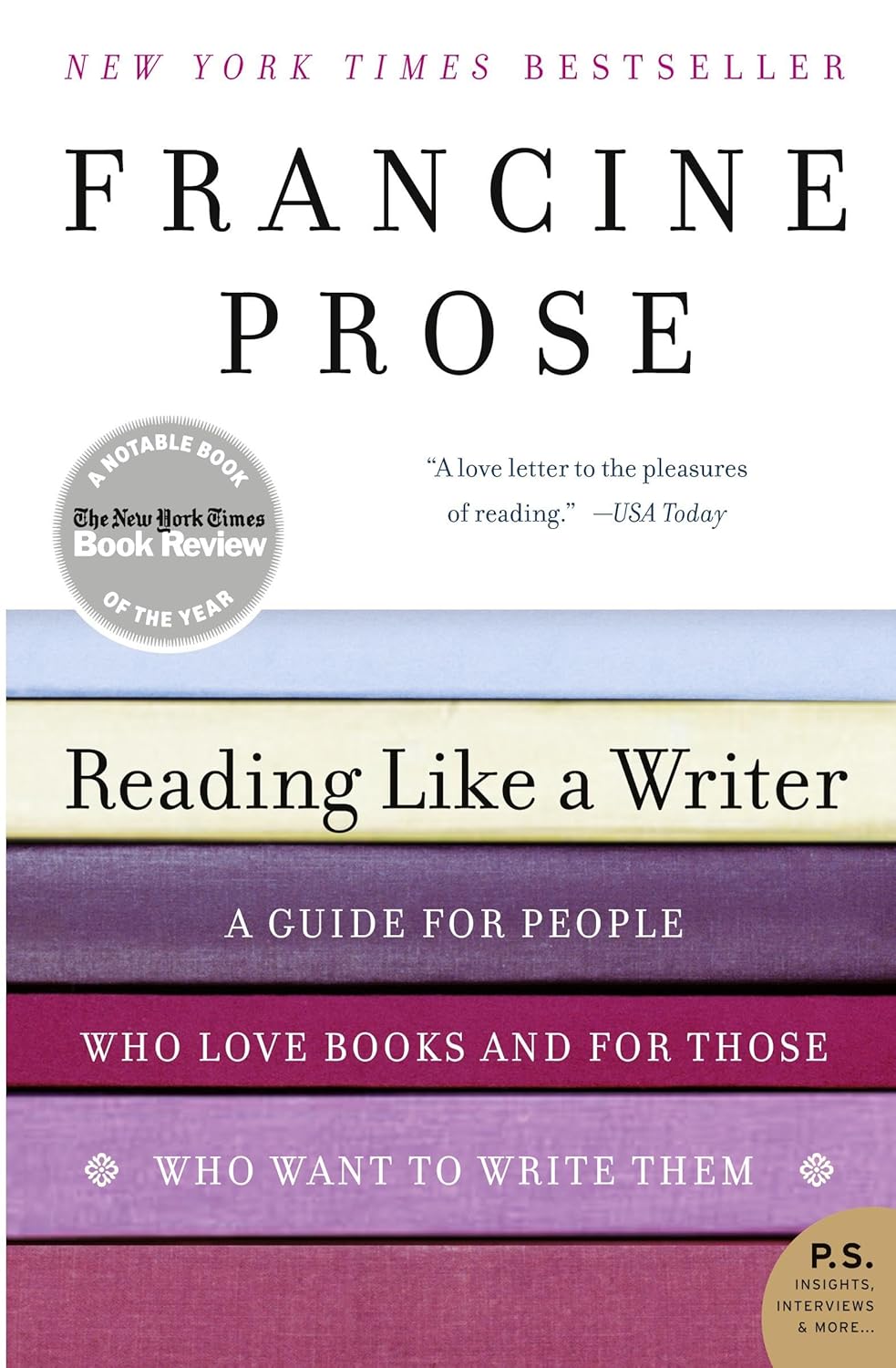
But it wouldn’t be possible without its counterpart — reading. Writing and reading go hand in hand. One is rarely possible without the other. This is what Francine Prose explores in “Reading Like a Writer: A Guide for People Who Love Books and for Those Who Want to Write Them.” In the chapter titled “Close Reading,” she starts with this question: “Can creative writing be taught?” And then she adds:
Love reading and writing? Submit a post to our blog.
It’s a reasonable question, but no matter how often I’ve been asked, I never know quite what to say. … Instead I answer by recalling my own most valuable experience, not as a teacher but as a student in one of the few fiction workshops I took. This was in the 1970s, during my brief career as a graduate student in medieval English literature, when I was allowed the indulgence of taking one fiction class. Its generous teacher showed me, among other things, how to line edit my work. For any writer, the ability to look at a sentence and see what’s superfluous, what can be altered, revised, expanded, or especially cut is essential. It’s satisfying to see that sentence shrink, snap into place, and ultimately emerge in a more polished form: clear, economical, sharp.
Prose goes on to describe her first audience, that vital group of people that every writer wants to foster but fears at the same time:
Meanwhile, my classmates were providing me with my first real audience. In that prehistory, before mass protocopying enabled students to distribute manuscripts in advance, we read our work aloud. That year, I was beginning what would become my first novel. And what made an important difference to me was the attention I felt in the room as the others listened. I was encouraged by their eagerness to hear more.
But then she admits that neither workshops nor her first audience played a crucial role in her development as a writer:
That’s the experience I describe, the answer I give people who ask about teaching creative writing: A workshop can be useful. A good teacher can show you how how to edit your work. The right class can form the basis of a community that will help and sustain you.
But that class, as helpful as it was, was not where I learned to write.
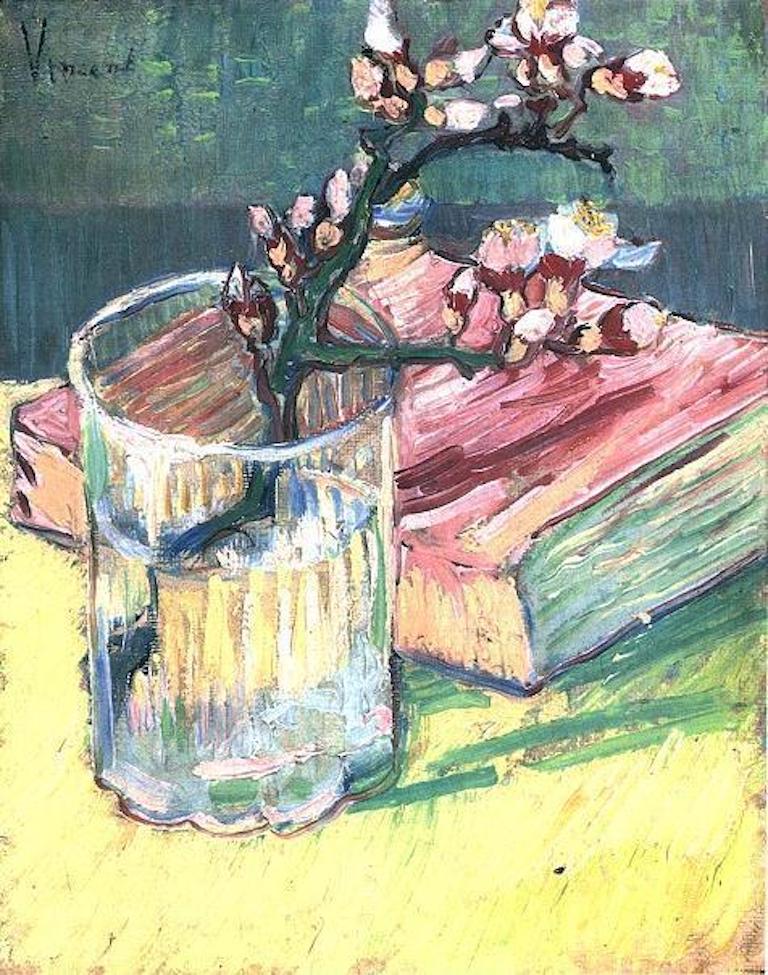
Her real writing teachers, as it turns out, were books — a subject very dear to my heart and a vital building block of this blog:
Like most, maybe all, writers, I learned to write by writing and, by example, from books. Long before the idea of a writer’s conference was a glimmer in anyone’s eye, writers learned by reading the work of their predecessors. They studied meter with Ovid, plot construction with Homer, comedy with Aristophanes; they honed their prose style by absorbing the lucid sentences of Montaigne and Samuel Johnson. And who could have asked for better teachers: generous, uncritical, blessed with wisdom and genius, as endlessly forgiving as only the dead can be?
[…]In the ongoing process of becoming a writer, I read and reread the authors I most loved. I read for pleasure, first, but also more analytically, conscious of style, of diction, of how sentences were formed and information was being conveyed, how the writer was structuring a plot, creating characters, employing detail and dialogue. And as I wrote I discovered that writing, like reading was done one word at a time, one punctuation mark at a time. It required what a friend calls “putting every word on trial for its life”: changing an adjective, cutting a phrase, removing a comma, and putting the comma back in.
Francine Prose concludes:
I read closely, word by word, sentence by sentence, pondering each deceptively minor decision that the writer had made. And though it’s impossible to recall every source of inspiration and instruction, I can remember the novels and stories that seemed to me revelations: wells of beauty and pleasure that were also textbooks, private lessons in the art of fiction.
Complement “Reading Like a Writer” with Mortimer Adler on the four questions you should ask every book, Dorothea Brande on what it takes to be a writer, Ray Bradbury on Zen writing, and George Orwell on why writers write.

I’m a freelance writer with 6 years of experience in SEO blogging and article publishing. While you’re here, get the latest updates by subscribing to my newsletter.