.
 Buddhist nun Pema Chödrön wrote that the best way to maintain concentration during meditation is to label all distracting thoughts as “thinking” and return to the immediacy of your breath.
Similarly, one might argue that the best way to keep your mental composure during a debate is to label your opponent’s arguments as opinion. But how do you distinguish knowledge from opinion?
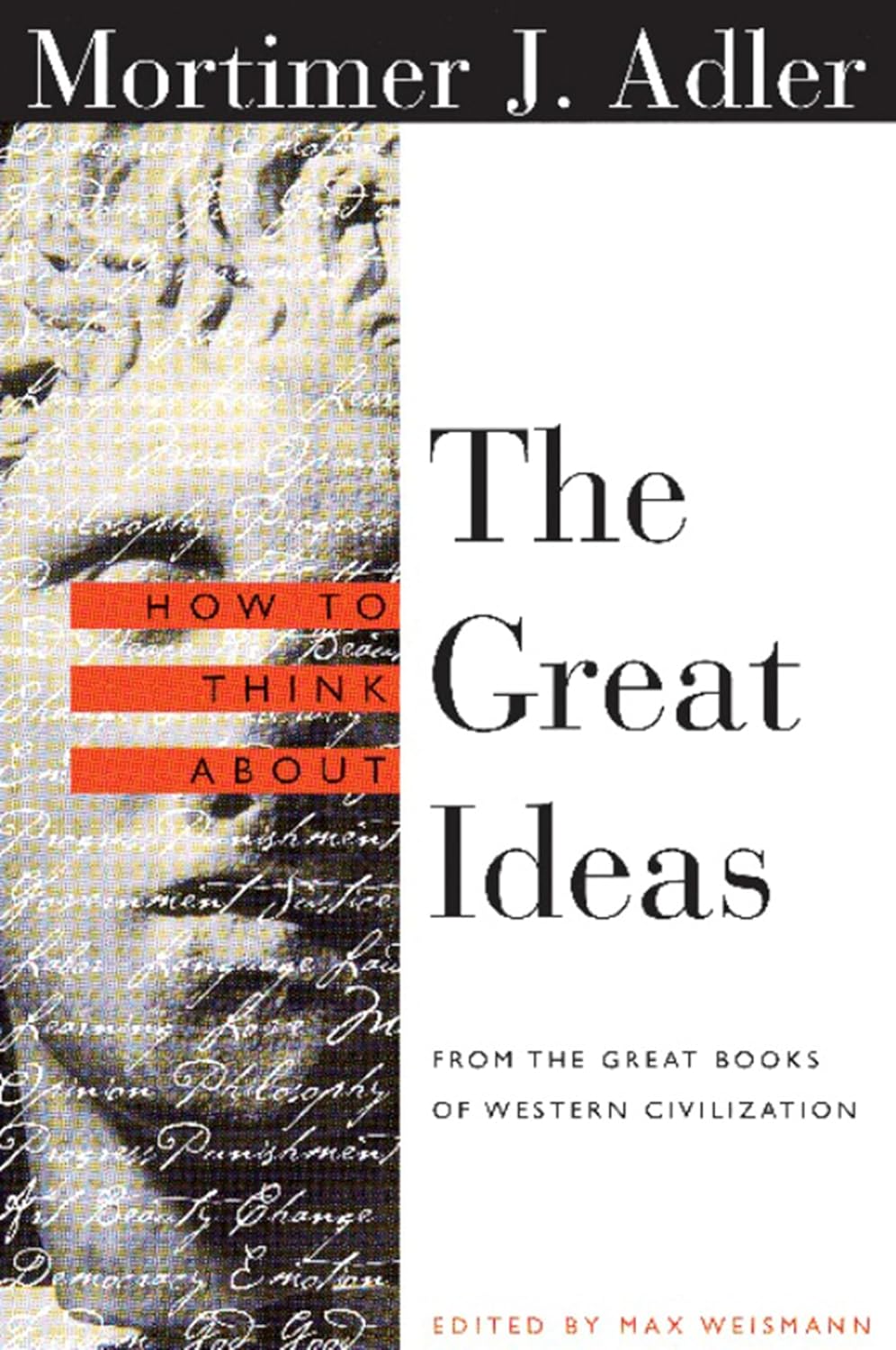
Philosopher Mortimer J. Adler (December 28, 1902–June 28, 2001) sheds a luminous sidewise gleam on this issue in his altogether indispensable How to Think About the Great Ideas. He writes:

Love reading and writing? Submit a post to our blog.
Let me illustrate by giving you two simple examples, one of knowledge and one of opinion.
Two plus two equals four. I know this and I understand it. I do not doubt it and I cannot even properly say that I believe it.
The word “believe” is not right here. I don’t believe that two plus two equals four; I know it. “Belief” is too weak a word for this truth that two plus two equals four.
But if I turn from that statement to this one, “Gentlemen prefer blondes,” here I have something I do not know and I certainly wouldn’t like to say I understand. Some people doubt it; some believe it; no one knows it; no one understands it.
Then he adds:
A statement expresses knowledge when our assent to it is involuntary, when our assent to it is compelled or necessitated by the object we are thinking about, as in the case of two plus two equals four.
But a statement expresses opinion, not knowledge, when the object leaves us quite free to make up our own minds to think this way or that way … [as in the case of the statement, “Gentlemen prefer blondes”].
And usually, in the case of opinions, what makes up our mind one way or the other is not the thing we are thinking about, but our emotions, our desires, our interests, or some authority upon which we are relying.
Mortimer Adler further clarifies his argument by writing the following:
Knowledge consists in having the truth and knowing that you have it, because you know why what you think is true is true.
Whereas opinion consists in not being sure that you have the truth, not being sure whether what you say is true or false. And even if what you say happens to be true, you aren’t sure because you don’t know why it is true.
This, I think, explains a difference all of us feel in the way of the words we use when we say, “I know that,” or a person says “I don’t know that; I only think that,” meaning I opine that, I don’t know it.
With a cautionary eye to our boundless egos’ desire to be right all the time, Mortimer Adler concludes:
Socrates, you may remember, took the position that only God knows; that for the most part men [and women] have nothing better than opinion. And he went on to say that to know this is wisdom.
Complement these timeless musings from How to Think About the Great Ideas with Mortimer Adler on the four essential questions you should ask every book you read.

I’m a freelance writer with 6 years of experience in SEO blogging and article publishing. While you’re here, get the latest updates by subscribing to my newsletter.