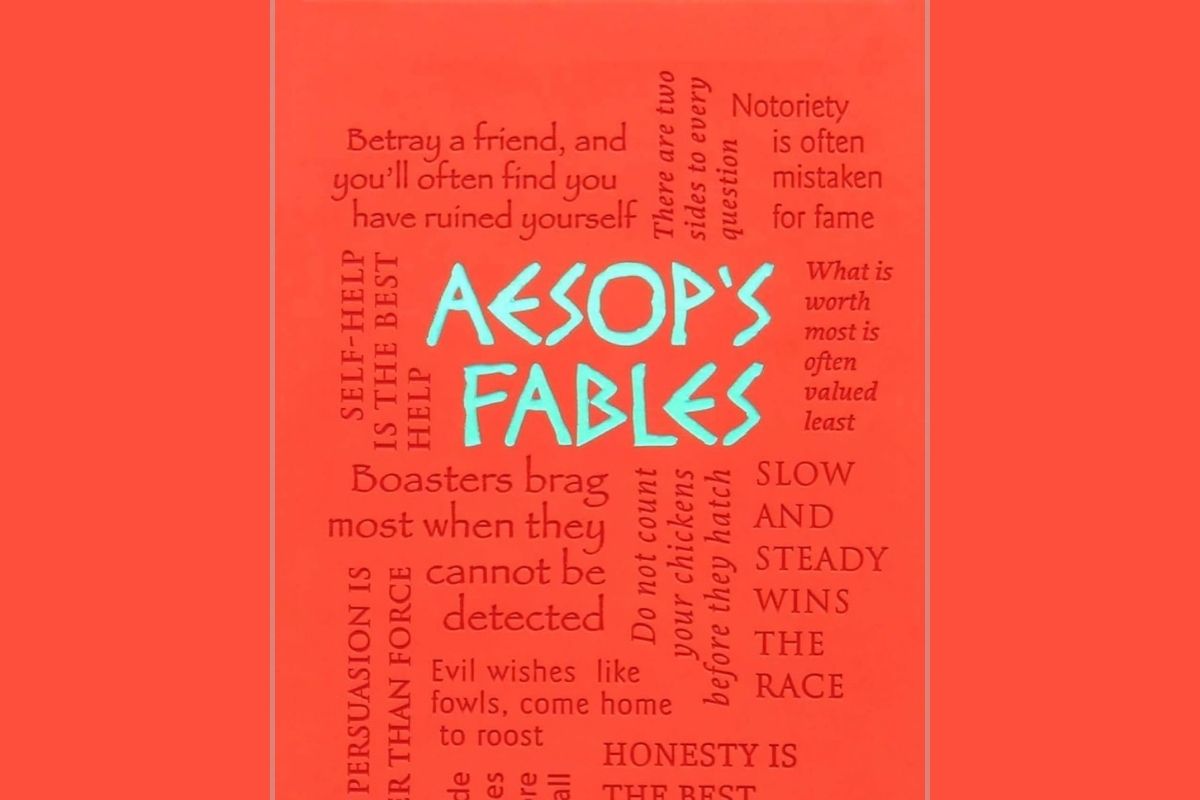
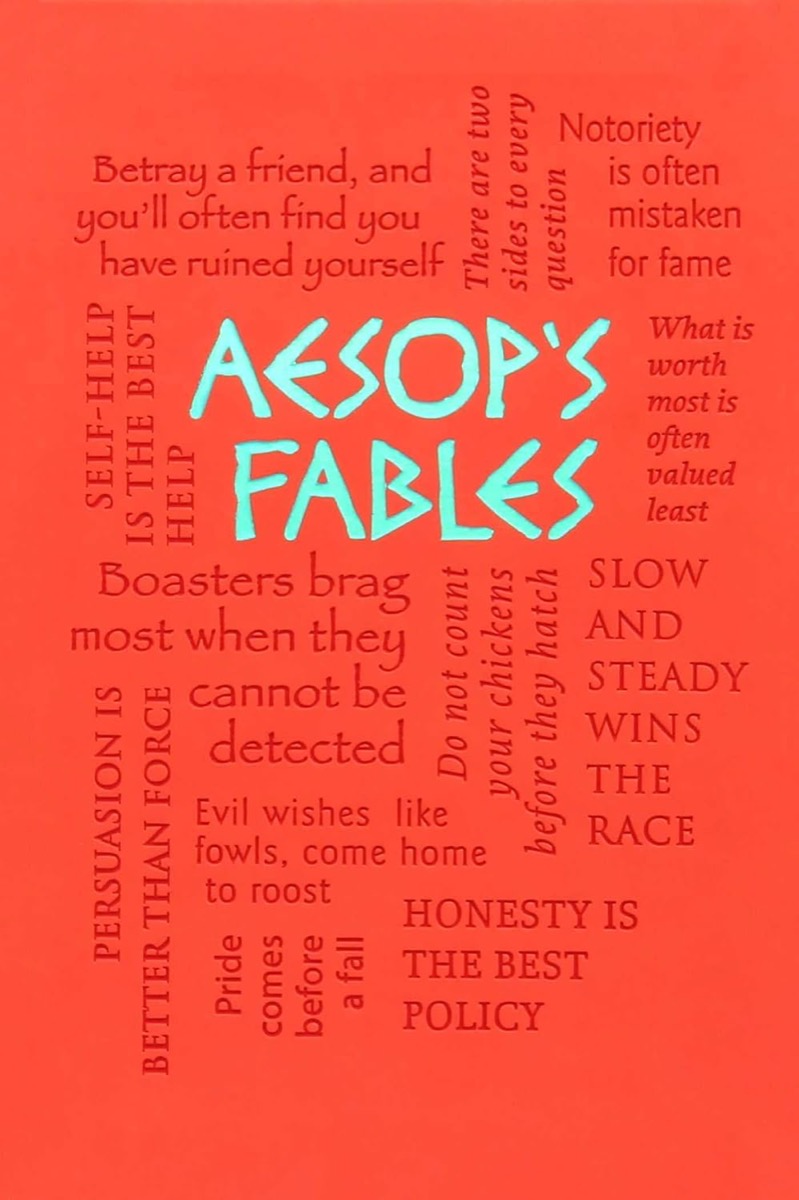
 “Aesop, or Babrius (or whatever his name was), understood that, for a fable, all the persons must be impersonal,” G. K. Chesterton writes in the introduction to “Aesop’s Fables.” “They must be like abstractions in algebra, or like pieces in chess. The lion must always be stronger than the wolf, just as four is always double of two.”
Then he adds: “The fairy tale, on the other hand, absolutely revolves on the pivot of human personality. If no hero were there to fight the dragons, we should not even know that they were dragons. If no adventurer were cast on the undiscovered island — it would remain undiscovered. If the miller’s third son does not find the enchanted garden where the seven princesses stand white and frozen — why, then, they will remain white and frozen and enchanted….
“Fables repose upon quite the opposite idea; that everything is itself, and will in any case speak for itself. The wolf will be always wolfish; the fox will be always foxy. Something of the same sort may have been meant by the animal worship, in which Egyptian and Indian and many other great peoples have combined.
“Men do not, I think, love beetles or cats or crocodiles with a wholly personal love; they salute them as expressions of that abstract and anonymous energy in nature which to any one is awful, and to an atheist must be frightful.

Love reading and writing? Submit a post to our blog.
“So in all the fables that are or are not Aesop’s all the animal forces drive like inanimate forces, like great rivers or growing trees. It is the limit and the loss of all such things that they cannot be anything but themselves: it is their tragedy that they could not lose their souls.”
THE SHEPHERD’S BOY AND THE WOLF
A shepherd’s boy was tending his flock near a village, and thought it would be great fun to hoax the villagers by pretending that a Wolf was attacking the sheep: so he shouted out, “Wolf! wolf!” and when the people came running up he laughed at them for their pains. He did this more than once, and every time the villagers found they had been hoaxed, for there was no Wolf at all. At last a Wolf really did come, and the Boy cried, “Wolf! wolf!” as loud as he could: but the people were so used to hearing him call that they took no notice of his cries for help. And so the Wolf had it all his own way, and killed off sheep after sheep at his leisure.
You cannot believe a liar even when he tells the truth.

I’m a freelance writer with 6 years of experience in SEO blogging and article publishing. While you’re here, get the latest updates by subscribing to my newsletter.