 “No matter what a computer can do, human thought is something else,” Sherry Turkle wrote while contemplating the human spirit in a computer culture. “A being that is not born of a mother, that does not feel the vulnerability of childhood, a being that does not know sexuality or anticipate death, this being is alien.” Yet many today attribute these qualities to a computer program. Its name is ChatGPT. “Happy birthday, ChatGPT!” social media users exclaimed on November 30, 2023, congratulating the beloved chatbot like a real child.
A look back at that historic one-year landmark clearly shows the fundamental shifts in how we redefine our worth as human beings. Is AI really going to replace us? How do we compete in a world dominated by heartless machines? Sam Altman, CEO of OpenAI, reassures us that humans are still relevant and can compete by focusing on one vital skill.
In Adam Grant’s “ReThinking” podcast, Altman said that “there will be a kind of ability we still really value, but it will not be raw, intellectual horsepower to the same degree.” Then he added, “Figuring out what questions to ask will be more important than figuring out the answer.” In a nod of agreement, the podcast host followed up by summarizing Altman’s point:
We used to put a premium on how much knowledge you had collected in your brain, and if you were a fact collector, that made you smart and respected. And now I think it’s much more valuable to be a connector of dots than a collector of facts. If you can synthesize and recognize patterns, you have an edge.
This sentiment can be traced back to Altman’s essay “The Intelligence Age,” in which he argues that human-AI collaboration is the key to our prosperous future:
Love reading and writing? Submit a post to our blog.
It won’t happen all at once, but we’ll soon be able to work with AI that helps us accomplish much more than we ever could without AI; eventually we can each have a personal AI team, full of virtual experts* in different areas, working together to create almost anything we can imagine. Our children will have virtual tutors who can provide personalized instruction in any subject, in any language, and at whatever pace they need. We can imagine similar ideas for better healthcare, the ability to create any kind of software someone can imagine, and much more.
Altman continues:
With these new abilities, we can have shared prosperity to a degree that seems unimaginable today; in the future, everyone’s lives can be better than anyone’s life is now. Prosperity alone doesn’t necessarily make people happy — there are plenty of miserable rich people — but it would meaningfully improve the lives of people around the world.
However, Inc. piece argues that an “old-fashioned” skill like memorization is not going out of style anytime soon by referring to an article “In Praise of Memorization:”
The more information you have muscle memory for, the more you can use to reason about. But you can’t draw connections between things you don’t know exist, or don’t have a good “feel” for. The problem with not memorizing is that you’re limited by the lack of data points, or nodes that you can make connections between. In short, you’re limited by your lack of understanding of what to look up.
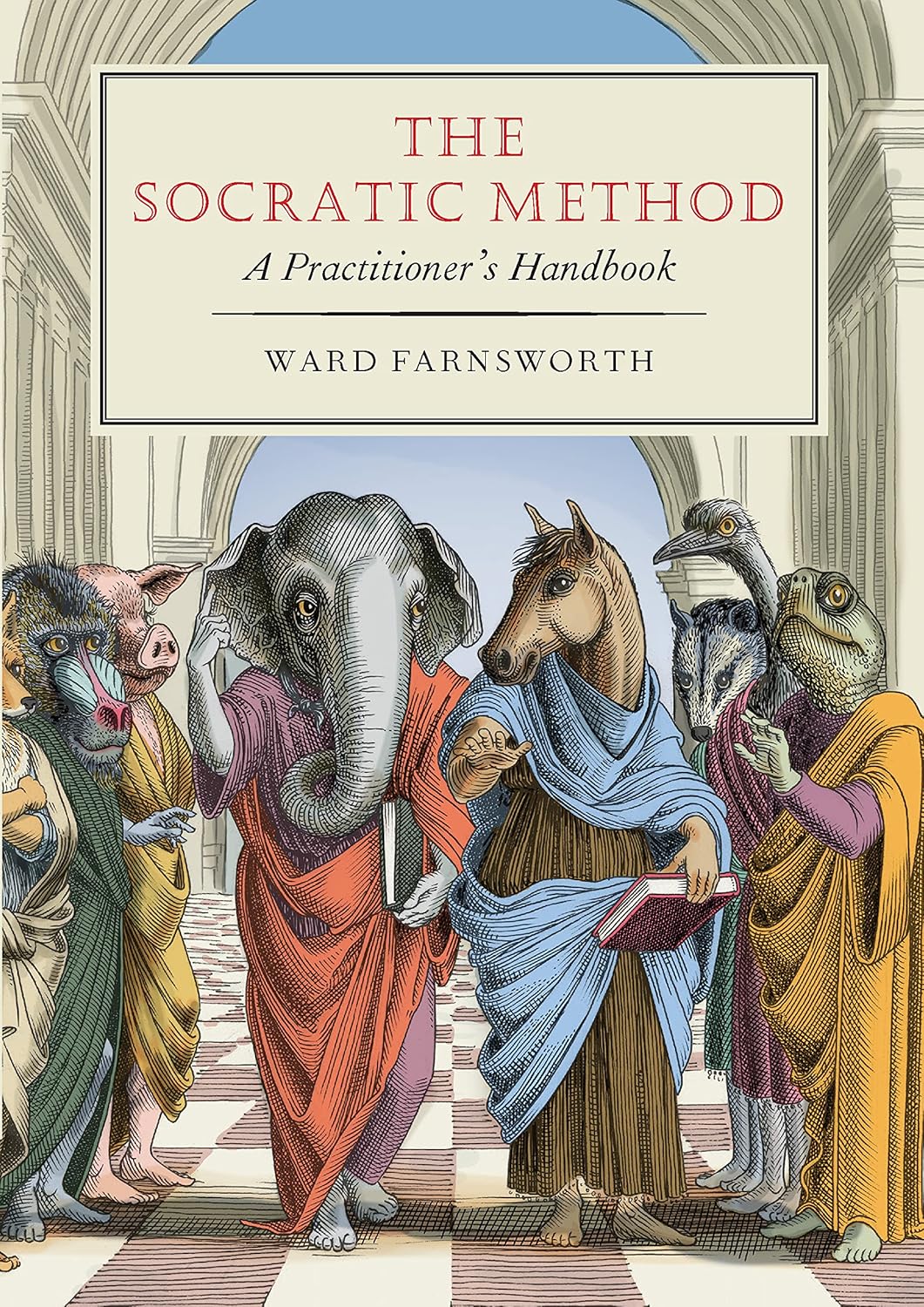
Putting aside questions-over-memorization debate, how do you learn to ask better questions? I suggest reading “The Socratic Method” by Ward Farnsworth that will “change the way you think about life’s big questions.”
About 2,500 years ago, Plato wrote a set of dialogues that depict Socrates in conversation. The way Socrates asks questions, and the reasons why, amount to a whole way of thinking.
This is the Socratic method―one of humanity’s great achievements. More than a technique, the method is an ethic of patience, inquiry, humility, and doubt.
It is an aid to better thinking, and a remedy for bad habits of mind, whether in law, politics, the classroom, or tackling life’s big questions at the kitchen table.
Complement “The Socratic Method” with Sherry Turkle on the human spirit in a computer culture and then, for nothing more than sheer delight, revisit our article titled “In Praise of Insanity.”

I’m a freelance writer with 6 years of experience in SEO blogging and article publishing. While you’re here, get the latest updates by subscribing to my newsletter.