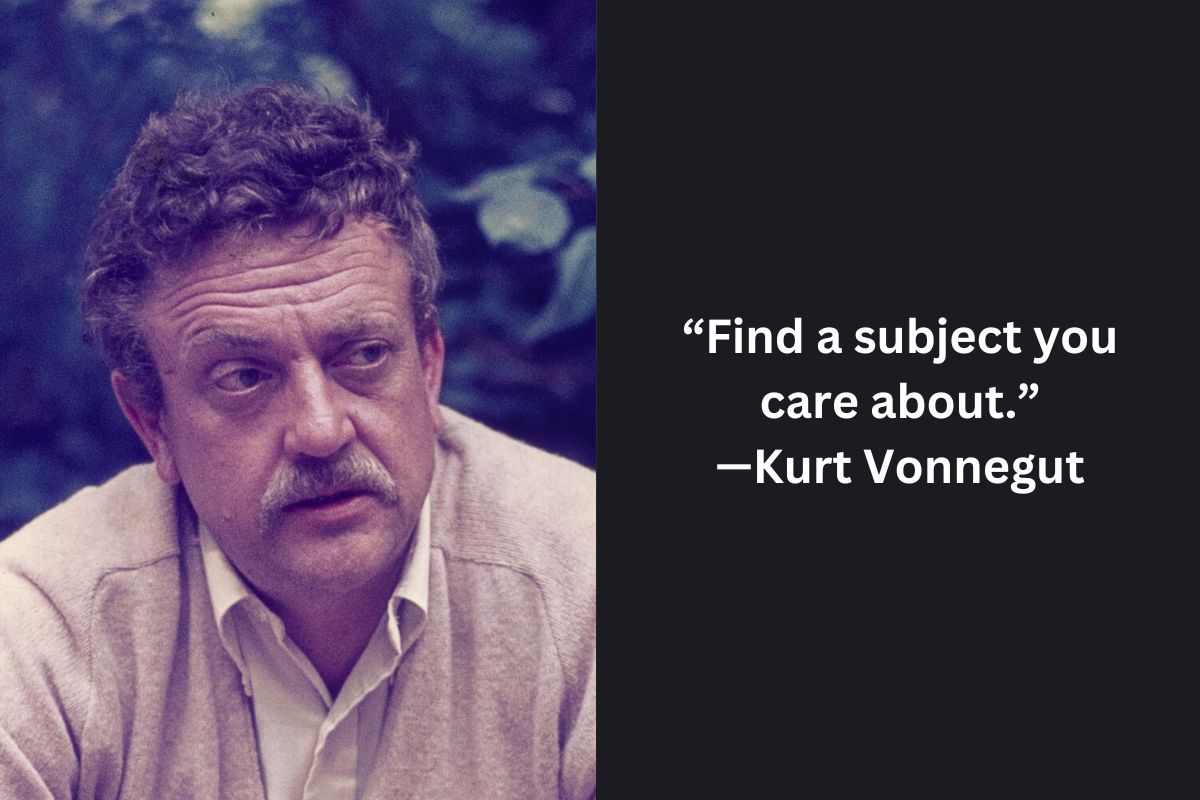
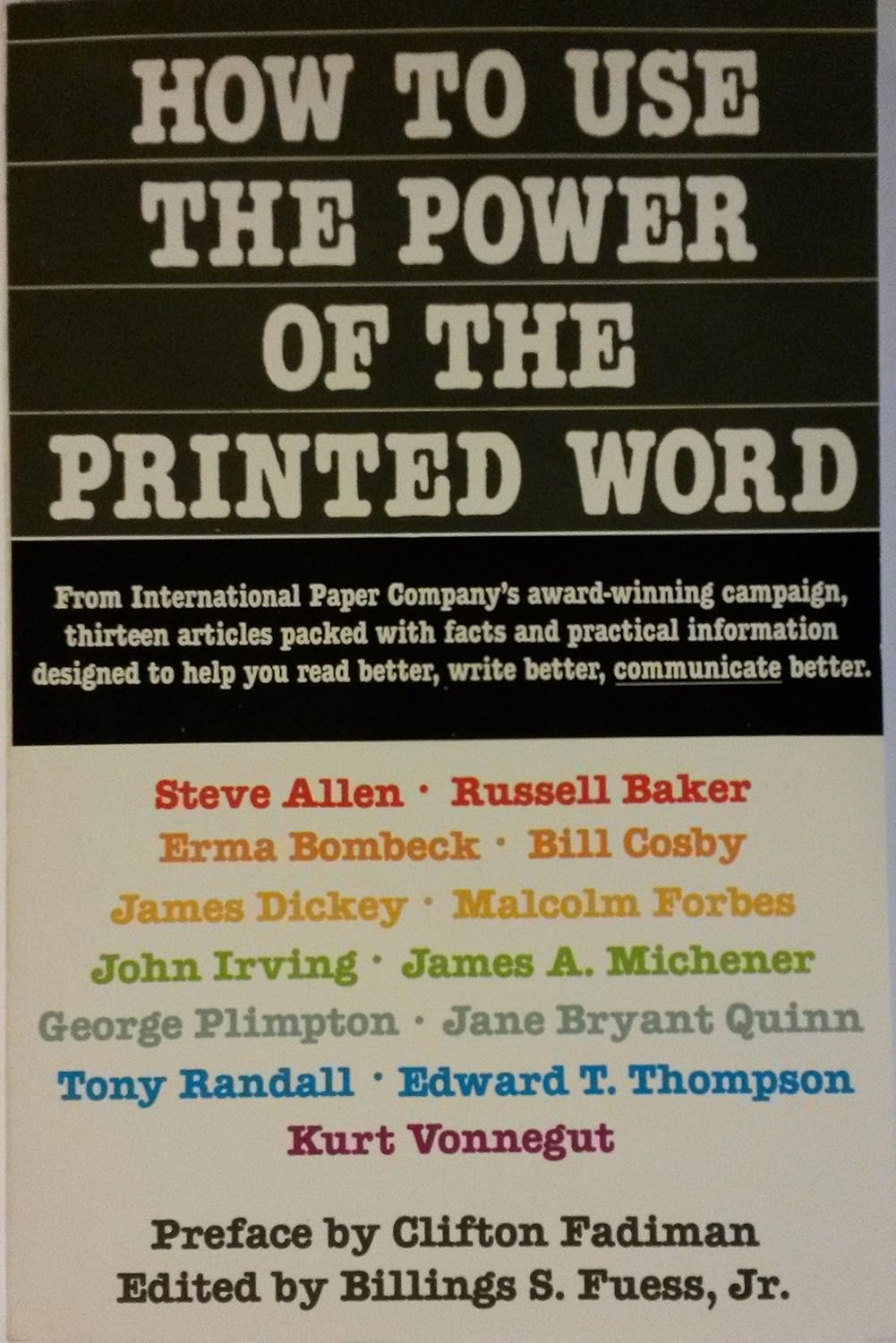
 Should you write about yourself? Kurt Vonnegut (November 11, 1922–April 11, 2007) argues that being yourself on a page is the single most important element of your writing style.
For the hesitant, his 1985 essay “How to Write with Style,” included in the anthology “How to Use the Power of the Printed Word,” serves as a kind of permission to loosen up and allow the writerly persona speak for itself.
It insists that you must establish a personal connection with your readers, lest you want them to stop reading your work. In support of its claim, Vonnegut’s essay starts by considering the perils of impersonal journalistic reporting.
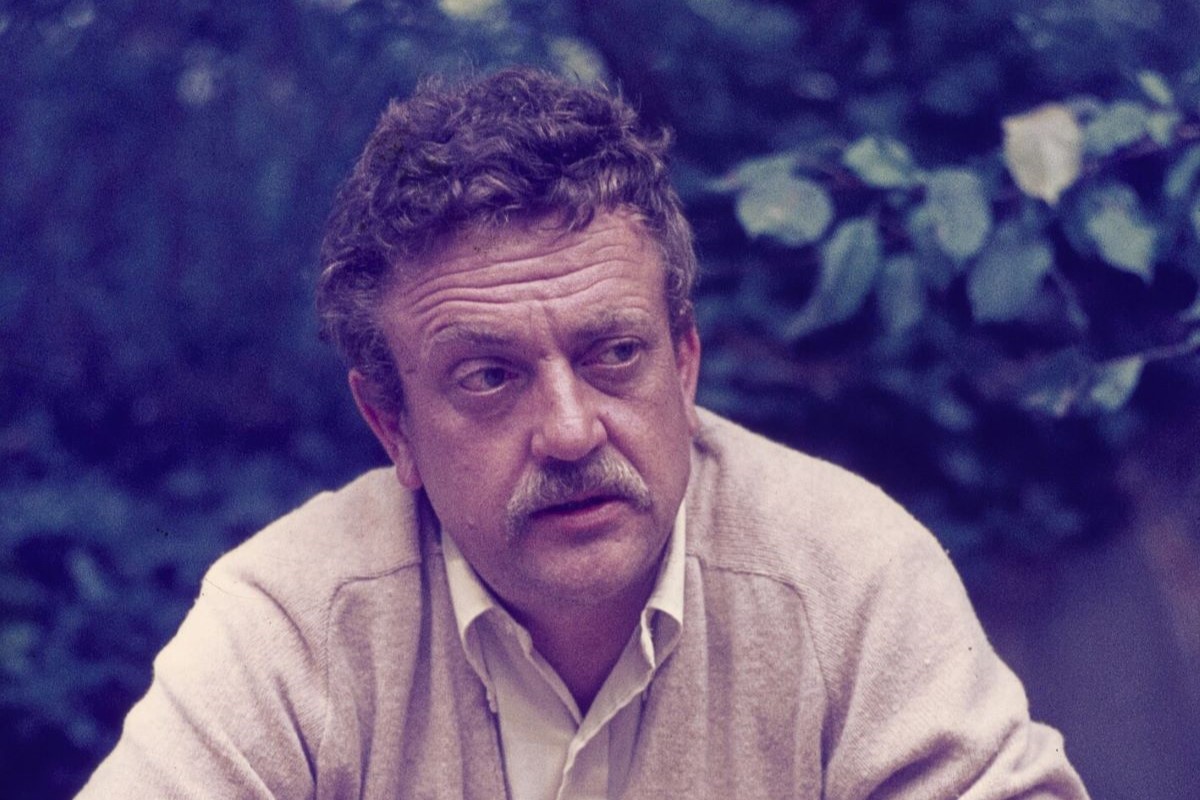
Kurt Vonnegut writes:
Love reading and writing? Submit a post to our blog.
Newspaper reporters and technical writers are trained to reveal almost nothing about themselves in their writings. This makes them freaks in the world of writers, since almost all of the other ink-stained wretches in that world reveal a lot about themselves to readers. We call these revelations, accidental and intentional, elements of style.
These revelations tell us as readers what sort of person it is with whom we are spending time. Does the writer sound ignorant or informed, stupid or bright, crooked or honest, humorless or playful — ? And on and on.
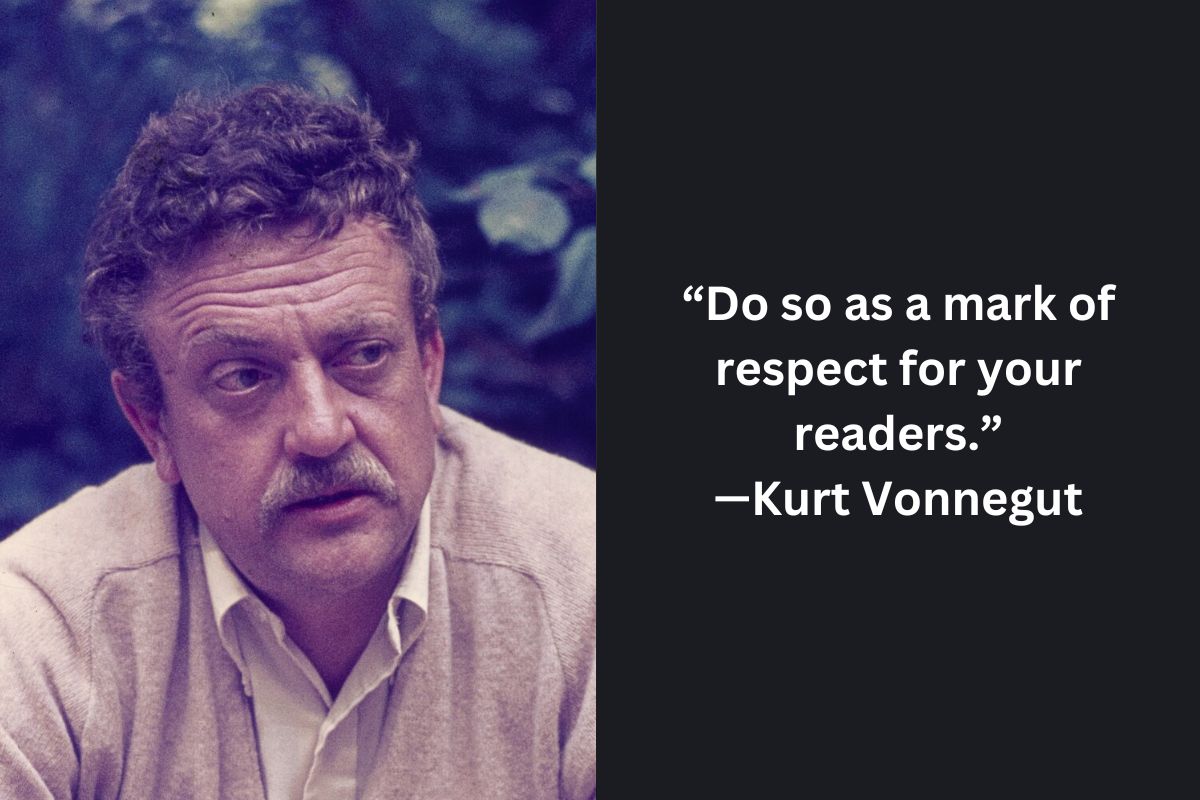
Why should you examine your writing style with the idea of improving it? Do so as a mark of respect for your readers, whatever you’re writing. If you scribble your thoughts any which way, your readers will surely feel that you care nothing about them. They will mark you down as an egomaniac or a chowderhead — or, worse, they will stop reading you.
The most damning revelation you can make about yourself is that you do not know what is interesting and what is not. Don’t you yourself like or dislike writers mainly for what they choose to show you or make you think about? Did you ever admire an empty-headed writer for his or her mastery of the language? No.
So your own winning style must begin with ideas in your head.
A sound advice indeed. But should you really write about yourself? And more importantly, should you do it all the time? I recently came across an old piece by Hamilton Nolan titled “Journalism Is Not Narcissism,” which argues that “writing about yourself” can be part of a balanced journalism diet, but it certainly “ain’t a whole fucking meal.” Nolan writes:
Left unsaid in most discussions of this sort of writing is the fact that most people’s lives are not that interesting. Certainly, simple math will tell you that a 20 year-old has only a limited store of really compelling personal stories to tell. Most people who decide to base their writing careers on stories about themselves end up like bands that used their entire lifetime’s worth of good material in their first album, and then sputtered uselessly when it came time for the follow-up. Sure, you can extract some thoughtful stories of humiliation from a college class. And sure, you can get some of them published. But that is not a career plan.
In a sentiment that echoes my belief that the advice to “find yourself” is just as flawed as the advice to “find your voice,” Nolan adds:
Writing about yourself can be part of a balanced journalism diet, but it sure ain’t a whole fucking meal. By plundering your own life for material, you are not investing in yourself as a writer; you’re spending the principal. Soon, it will all be used up. There is nothing more painful to watch than a writer desperately grasping at ever less-important aspects of their own lives in order to make word counts, until they must simultaneously eat lunch and be writing about eating that lunch at the same time.
Nolan concludes:
The good news, young writers, is that your life does not have to be extraordinarily interesting, because there are billions of people in the world who do have interesting lives, and you have the privilege of telling their stories. … Stories of love, and war, and crime, and peril, and redemption. … The real tragedy of journalism-as-narcissism is not the general pettiness of the stories it produces; it is the other, better stories that never get produced as a result.
“Journalism Is Not Narcissism” is a wonderful read in its entirety. Complement with George Orwell on the four reasons why writers write, Oliver Sacks on the meaning of originality, and then revisit the worst writing advice you can give to a beginner.

I’m a freelance writer with 6 years of experience in SEO blogging and article publishing. While you’re here, get the latest updates by subscribing to my newsletter.