.
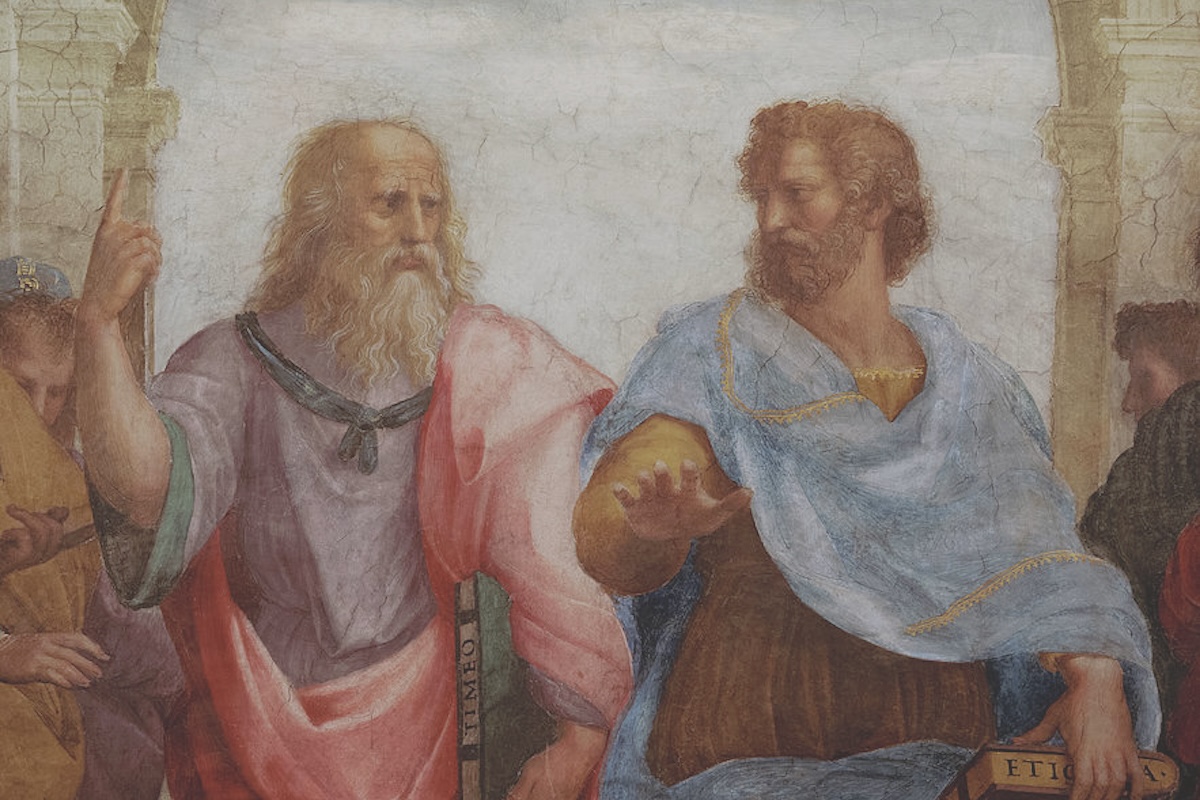
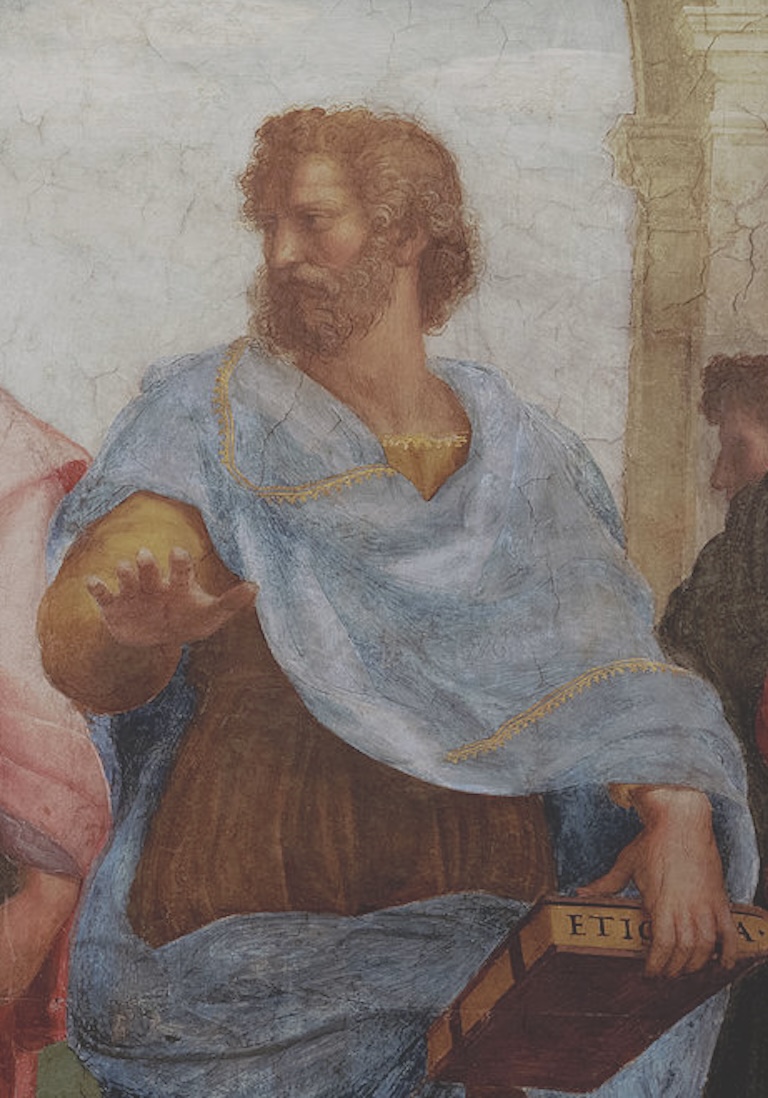 We already know that Aristotle defined a happy life as a good life made perfect by the possession of all good things, such as health, wealth, friendship, knowledge, virtue.
“In order to come into possession of all good things it is necessary to have a right ordering of the different goods,” Mortimer Adler (December 28, 1902–June 28, 2001) writes in his book “How to Think About the Great Ideas.”
“That ordering of the different goods is very closely related to a right ordering of the parts of life [such as work, leisure, and play],” Adler adds. “So much is this the case that I think that happiness itself can be defined very concretely in terms of [work] and leisure and play, as these are properly ordered in a good life.” He further clarifies:

Love reading and writing? Submit a post to our blog.
Play as recreation is like sleep; it is for work, and work in turn is for the sake of leisure.
Adler then goes on to cite passages from Aristotle’s “Ethics” and “Politics,” which make these fundamental points very well. He starts with “Ethics”:
Happiness does not lie in amusement. It would indeed be strange if the end of life were amusement and one were to take trouble and suffer hardship all one’s life in order to amuse oneself. To exert oneself and work for the sake of amusement seems silly and utterly childish.
But to amuse oneself that one may exert oneself seems right. For amusement is a sort of relaxation and we need relaxation because we cannot work continuously. Work, in turn, … is for the sake of leisure as war is for the sake of peace. And happiness depends upon leisure more than upon anything else.
Next, he cites a passage from Aristotle’s “Politics,” which “continues this thought”:
Leisure and personal development … may be promoted not only by the virtues, which are themselves practiced in leisure, but also by some of the virtues which are useful to business or work. For many necessities of life have to be provided before we can have leisure.
Yet, … we need virtue not primarily in order to work well, but to use leisure well. For the first principle, the end, or the goal of all human activity is leisure. Leisure is properly the enjoyment of life; it consists in doing the things which make a life worth living.
Adler concludes (emphasis ours):
If Aristotle is right, if happiness consists in a virtuous conduct of one’s work and a virtuous use of one’s free time in leisure, then the two most prevalent of all human ills, the two most prevalent causes of human misery are these: one, not having the right sort of work to do, work that calls upon one’s abilities and develops one; and two, having time on one’s hands to kill or burn.

I’m a freelance writer with 6 years of experience in SEO blogging and article publishing. While you’re here, get the latest updates by subscribing to my newsletter.