 I often describe myself as a reader and a writer. But there is one self-label that doesn’t get as much attention as it deserves — lifelong learner.
That part of myself is on the never-ending path of self-improvement, an endeavor that is nourished, among other things, by Coursera.
Case in point: “The Modern and the Postmodern,” one of my favorite courses, mentioned in passing four famous philosophers, each of whom can be summarized in one sentence. As a lover of quotes, I couldn’t pass on the opportunity to write about it on my blog.

Love reading and writing? Submit a post to our blog.
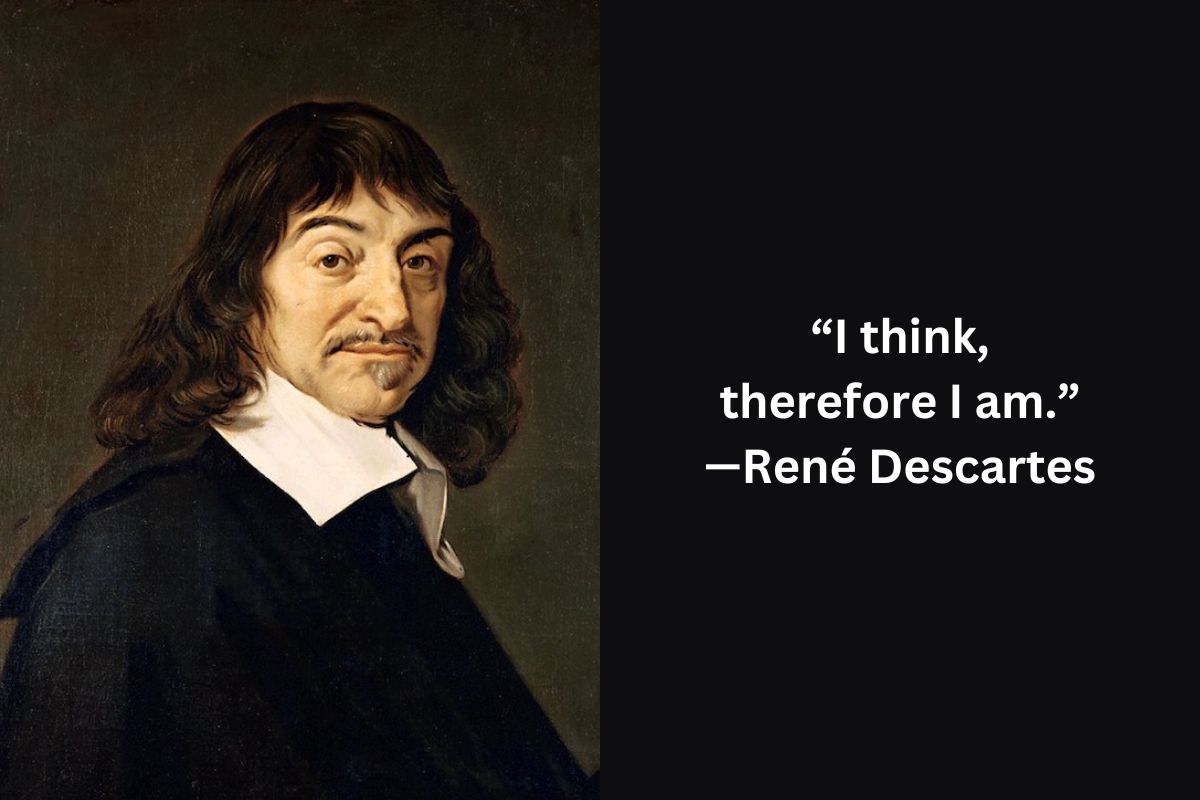
1. “I think, therefore I am.” — René Descartes
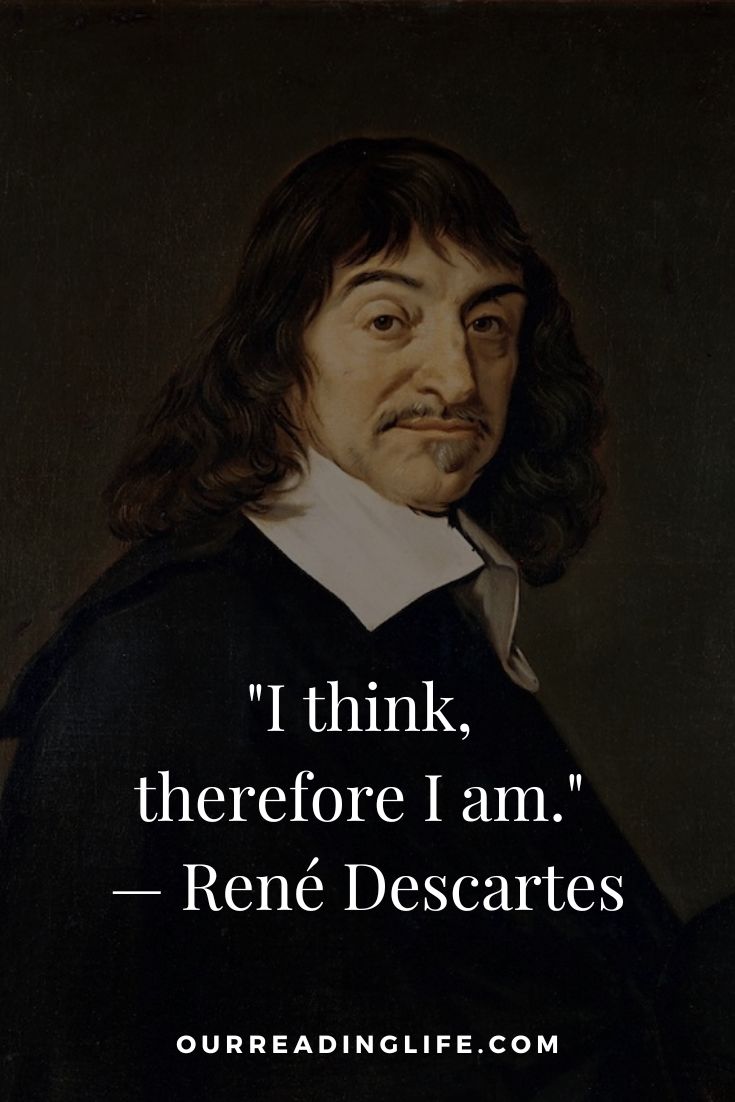
René Descartes (March 31, 1596–February 11, 1650) was a French philosopher, mathematician, and scientist often hailed as the “father of modern philosophy.”
He famously broke away from traditional Scholasticism by seeking a foundation for knowledge based on human reason rather than authority or sensory experience.
This led to his iconic phrase, “Cogito, ergo sum” (“I think, therefore I am”), which served as the undeniable starting point for his existence.
Beyond the “meditations” of the mind, he revolutionized mathematics by inventing analytic geometry.
Related book: “Discourse on Method”
2. “Man is born free; and everywhere he is in chains.” — Jean-Jacques Rousseau
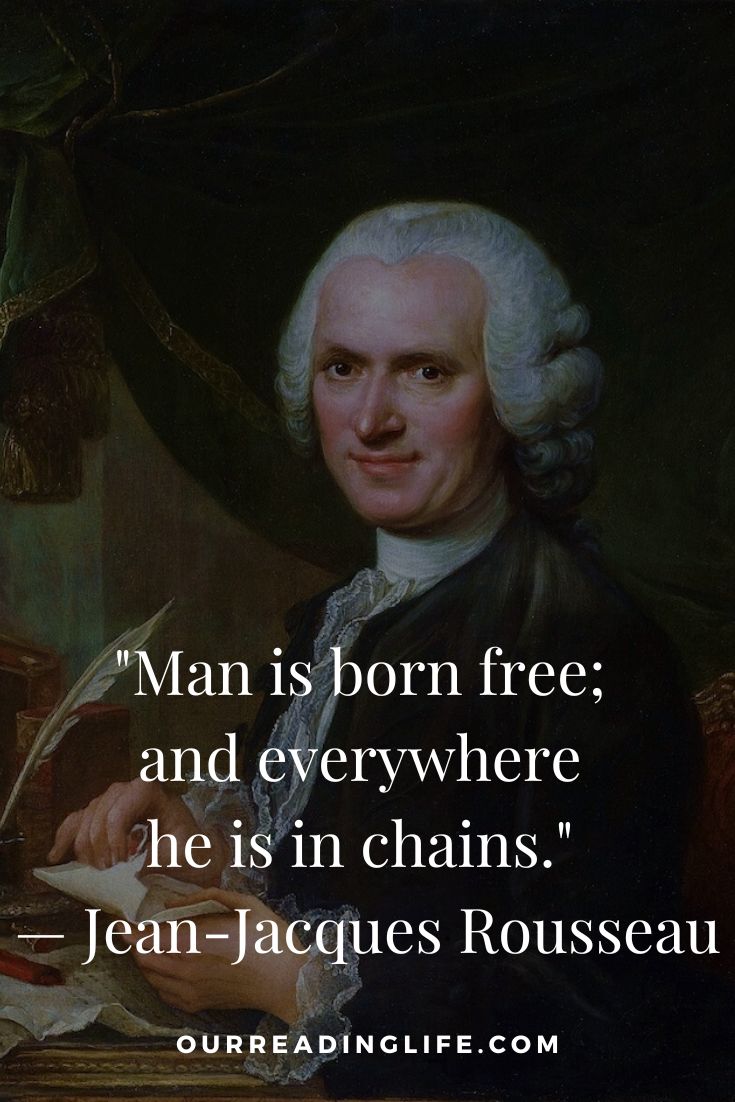
Jean-Jacques Rousseau (June 28, 1712–July 2, 1778) was a Genevan philosopher, writer, and composer whose provocative ideas helped ignite the Age of Enlightenment and laid the intellectual groundwork for the French Revolution.
Unlike many of his contemporaries who championed pure reason, Rousseau emphasized the importance of emotion and argued that humans are inherently good by nature but become corrupted by the artificiality of society and the unequal distribution of property.
Related book: “The Social Contract”
3. “The history of all hitherto existing society is the history of class struggles.” — Karl Marx
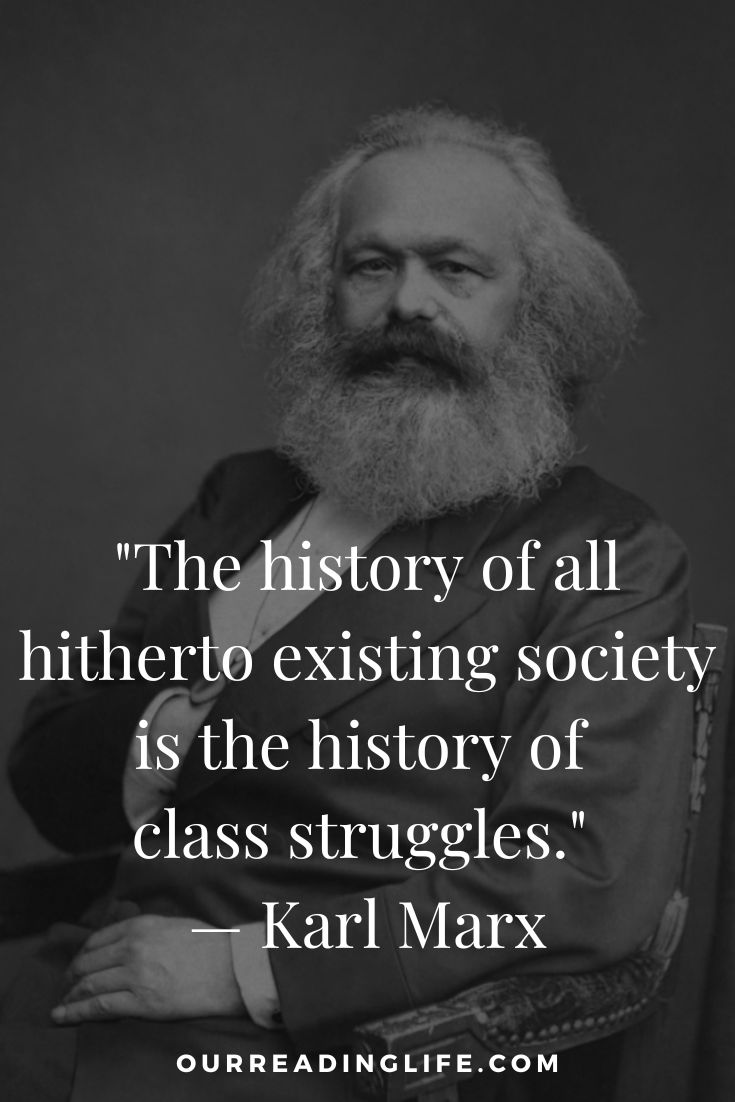
Karl Marx (May 5, 1818–14 March 14, 1883) was a German philosopher, economist, and revolutionary socialist whose ideas fundamentally reshaped the global political landscape.
He is best known for developing the theory of historical materialism, which argues that the history of society is driven by class struggle—specifically the conflict between the bourgeoisie (the owners of the means of production) and the proletariat (the working class).
In his seminal works, “The Communist Manifesto” (co-authored with Friedrich Engels) and “Das Kapital”, Marx critiqued capitalism as an inherently exploitative system destined to collapse and be replaced by a classless, stateless society known as communism.
While his theories have been interpreted and implemented in vastly different ways across the century following his death, his influence on sociology, economics, and modern political thought remains unparalleled.
Related book: “The Communist Manifesto”
4. “God is dead.” — Friedrich Nietzsche
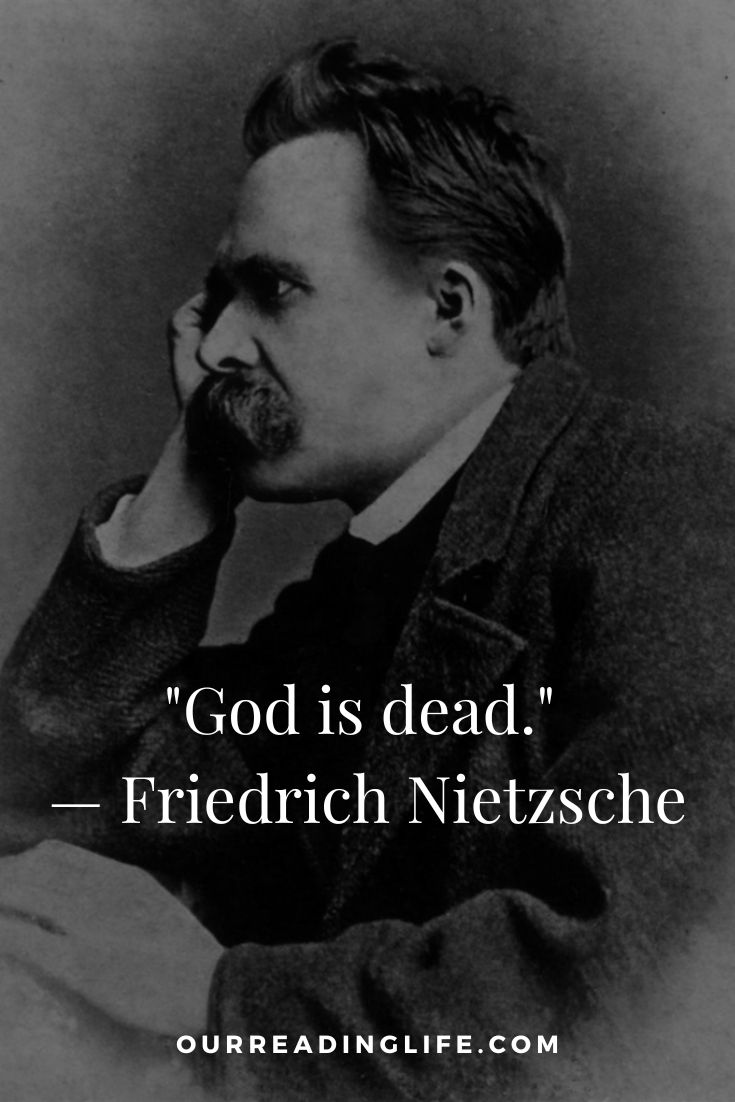
Friedrich Nietzsche (October 15, 1844–August 25, 1900) was a provocative German philosopher whose work radically challenged the foundations of Western morality, religion, and traditional metaphysics.
Best known for his haunting pronouncement that “God is dead,” Nietzsche argued that the decline of Christian influence would lead to a crisis of nihilism, requiring a complete “revaluation of all values.”
He championed the concept of the Übermensch (Overman)—an individual who transcends conventional social norms to create their own meaning—and explored the will to power as the fundamental driving force of human nature.
His poetic, aphoristic style, most famously seen in “Thus Spoke Zarathustra,” has left an indelible mark on existentialism, postmodernism, and psychology.
Related book: “Thus Spoke Zarathustra”
5. “To avoid all evil, to cultivate good, and to cleanse one’s mind — this is my teaching.” — The Buddha
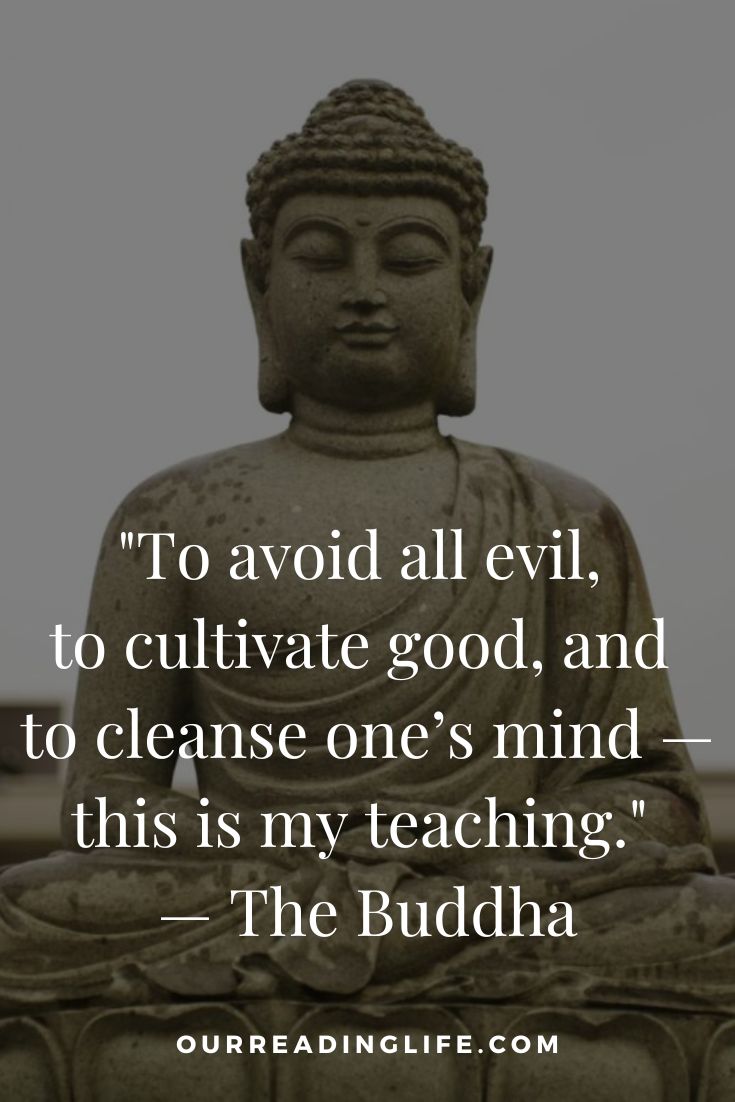
The Buddha, born Siddhartha Gautama in the 6th or 5th century BCE, was a spiritual teacher and the founder of Buddhism.
Born a prince, he lived a life of luxury until he encountered the “four sights” — an old man, a sick man, a corpse, and an ascetic — which moved him to abandon his royal status to seek an end to human suffering.
After years of rigorous meditation and asceticism, he achieved Enlightenment (Nirvana) under the Bodhi Tree, gaining a profound understanding of the nature of existence.
He spent the remainder of his life teaching the Four Noble Truths and the Eightfold Path, emphasizing a “Middle Way” between self-indulgence and self-denial.
Related article: “What Is the Buddha’s Teaching in One Sentence?”
Realted book: “In the Buddha’s Words: An Anthology of Discourses from the Pali Canon”
Now, based on these one-sentence summaries, who would you prefer to hang out with if you had a chance? I’ve already decided. Have you?

I’m a freelance writer with 6 years of experience in SEO blogging and article publishing. While you’re here, get the latest updates by subscribing to my newsletter.