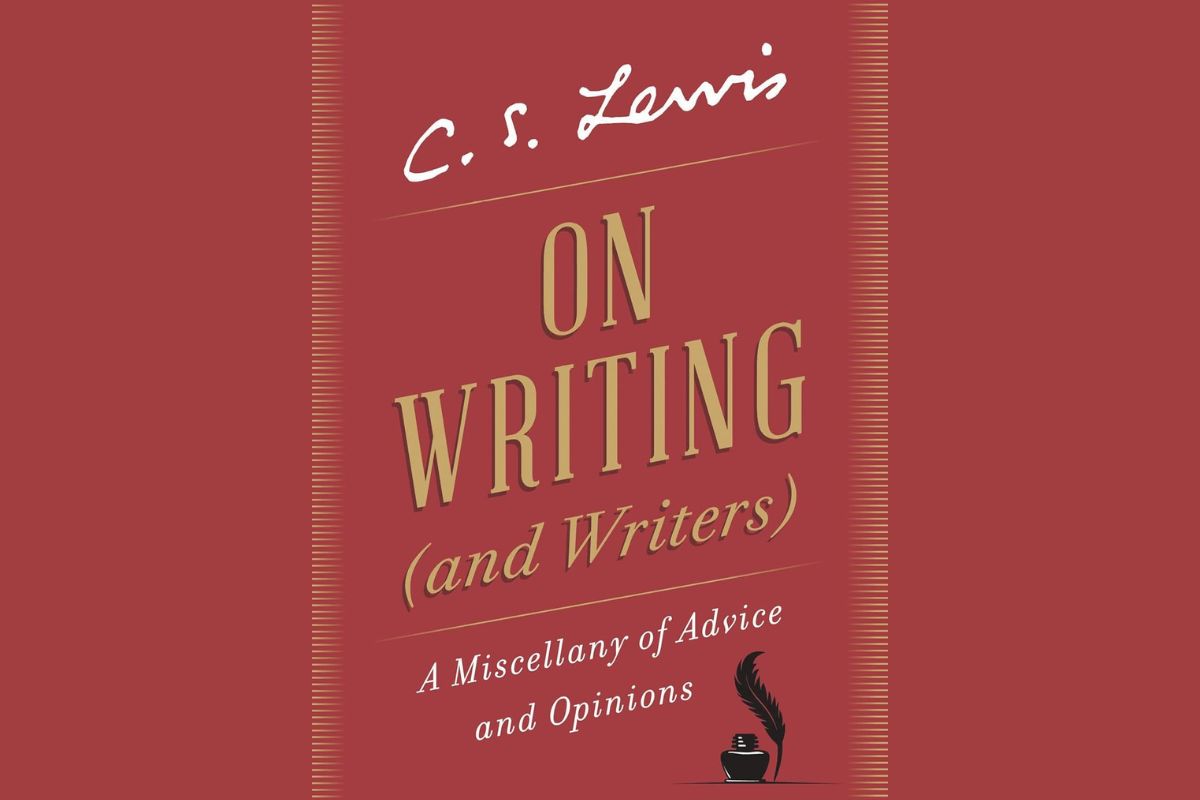
 This article will be interesting to those of you who are particularly fond of C.S. Lewis (November 29, 1898–November 22, 1963) and his nonfiction books.
In the introduction to one of them, “On Writing (and Writers): A Miscellany of Advice and Opinions,” David C. Downing writes that Lewis was “arguably one of the most lucid and readable prose stylists of the modern era,” which was also the reason why fans inundated him with letters on “just about every topic imaginable — from spiritual direction to Spinoza to spelling.”
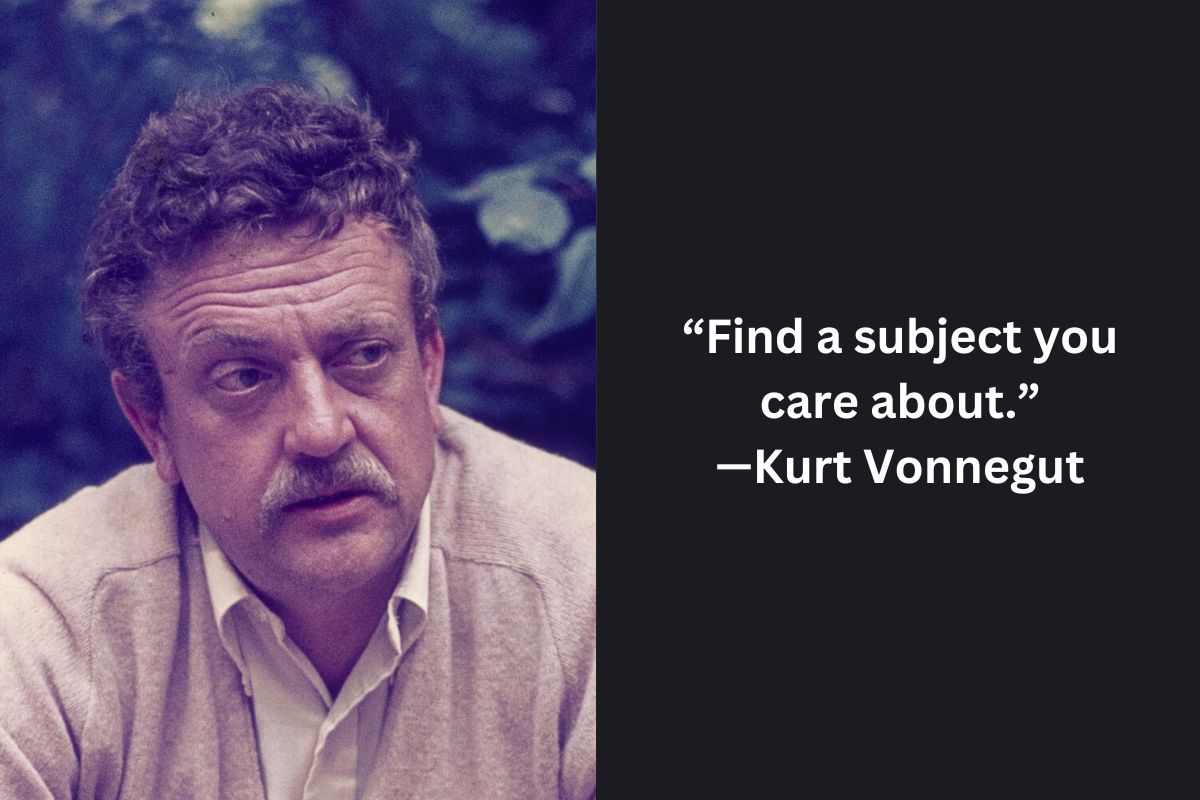
When someone submitted a writing sample, for example, Lewis occasionally offered a quick primer on the art of writing. Among those types of exchanges, what I find most elucidating is his remark about the one thing a writer should be interested in besides writing:
Love reading and writing? Submit a post to our blog.
- Write about what really interests you, whether it is real things or imaginary things, and nothing else. (Notice this means that if you are interested only in writing, you will never be a writer, because you will have nothing to write about.)
Simple and brilliant. Don’t you agree? That particular advice came as part of the other seven rules of writing, which I list below:
- Turn off the radio [and your internet access].
- Read all the good books you can, and avoid nearly all magazines.
- Always write (and read) with the ear, not the eye. You should hear every sentence you write as if it was being read aloud or spoken. If it does not sound nice, try again.
[…]
- Take great pains to be clear. Remember that though you start by knowing what you mean, the reader doesn’t, and a single ill-chosen word may lead him to a total misunderstanding. In a story it is terribly easy just to forget that you have not told the reader something that he needs to know — the whole picture is so clear in your own mind that you forget that it isn’t the same in his.
- When you give up a bit of work, don’t (unless it is hopelessly bad) throw it away. Put it in a drawer. It may come in useful later. Much of my best work, or what I think my best, is the rewriting of things begun and abandoned years earlier.
- Don’t use a typewriter [or a MacBook]. The noise will destroy your sense of rhythm, which still needs years of training.
- Be sure you know the meaning (or meanings) of every word you use.
“On Writing (and Writers)” is a wonderful read in its entirety. Complement with George Orwell on the four reasons why writers write.

I’m a freelance writer with 6 years of experience in SEO blogging and article publishing. While you’re here, get the latest updates by subscribing to my newsletter.