 “This is the entire spiritual life, Ananda, that is good friendship, good companionship, good comradeship,” the Buddha told one of his students while talking about the vital role of community in our life.
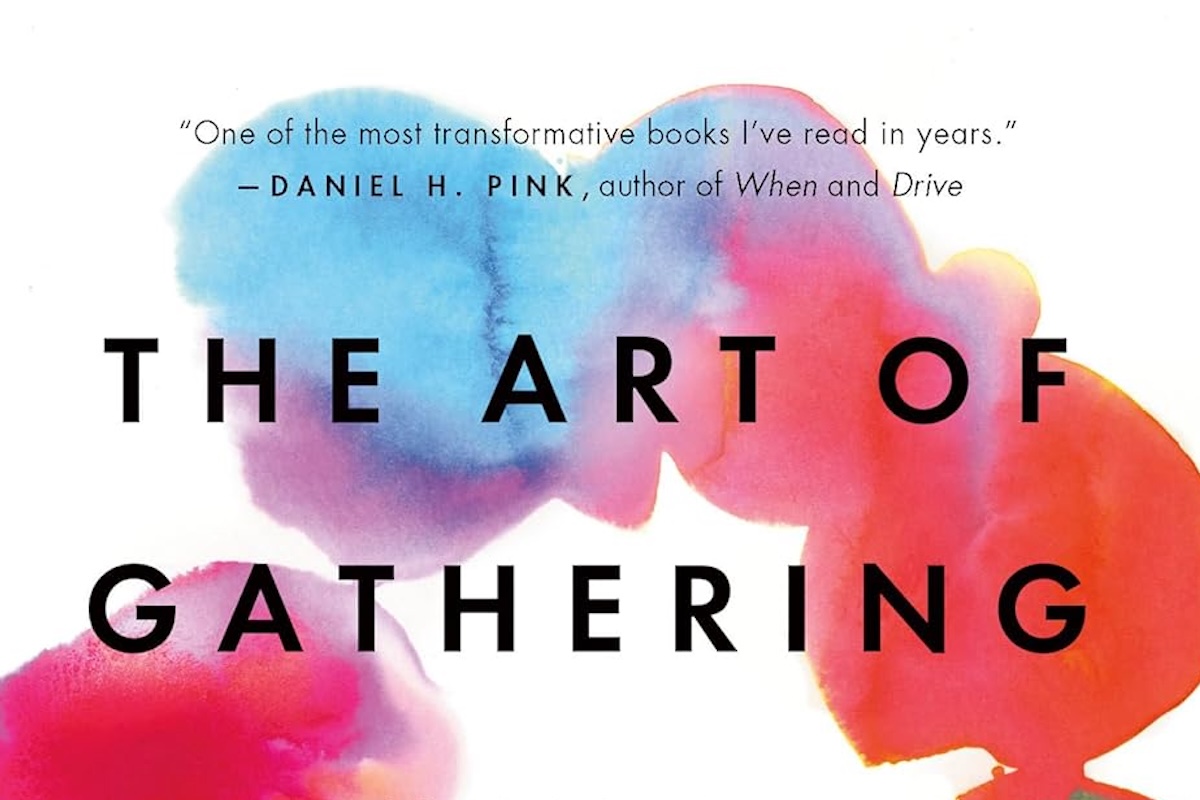
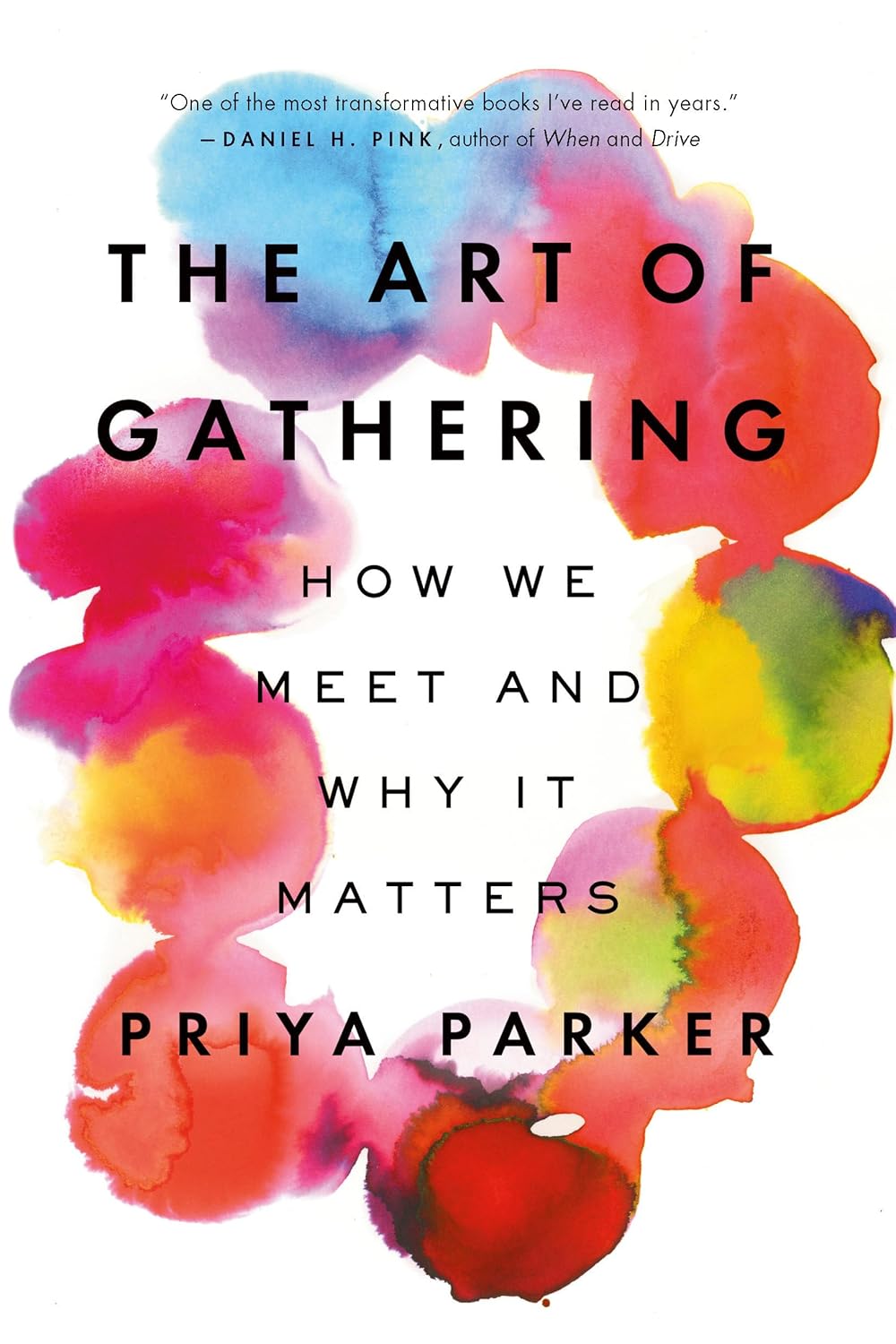
This is what Priya Parker explores in her book “The Art of Gathering: How We Meet and Why It Matters,” where she “investigates a wide array of gatherings — conferences, meetings, a courtroom, a flash-mob party, an Arab-Israeli summer camp — and explains how simple, specific changes can invigorate any group experience.”
In the chapter titled “Decide Why You’re Really Gathering,” she begins with the one mistake many of us make when trying to nurture a community:

Love reading and writing? Submit a post to our blog.
Here’s the great paradox of gathering: There are so many good reasons for coming together that often we don’t know precisely why we are doing so. You are not alone if you skip the first step in convening people meaningfully: committing to a bold, sharp purpose.
When we skip this step, we often let old or faulty assumptions about why we gather dictate the form of our gatherings. We end up gathering in ways that don’t serve us, or not connecting when we ought to.
Then Parker goes on to show how this fault manifests in common types of gatherings:
In our offices, we spend our days in back-to-back meetings, many of which could be replaced with an email or a ten-minute stand-up meeting.
In college, we stare at the floor in lecture halls, when the same facts would be better conveyed via video and the professor’s time would be better spent coaching students on specific difficulties with the material.
In the nonprofit world, it is customary to throw galas for causes because that is what nonprofits do, even if they don’t raise much more than they cost.
[…]In short, our thinking about — when we gather and why — has become muddled. When we do gather, we too often use a template of gathering (what we assume a gathering should look like) to substitute for our thinking. The art of gathering begins with purpose: When should we gather? And Why?
In a style reminiscent of Mother Teresa’s famous meditation on the meaning of life, Priya Parker concludes:
We gather to solve problems we can’t solve on our own.
We gather to celebrate, to mourn, and to mark transitions.
We gather to make decisions.
We gather because we need one another.
We gather to show strength.
We gather to honor and acknowledge.
We gather to build companies and schools and neighborhoods.
We gather to welcome, and we gather to say goodbye.
“The Art of Gathering” is a wonderful read in its entirety.

I’m a freelance writer with 6 years of experience in SEO blogging and article publishing. While you’re here, get the latest updates by subscribing to my newsletter.