 Those of us on the path of self-improvement often talk about how hard it is to do the right thing. At the same time, what we fail to do is talk about is how easy it is to do the wrong thing.
I was recently reminded of this unfortunate omission in our public discourse while browsing Substack, which served me a post with an insight into the unbearable lightness of being bad.
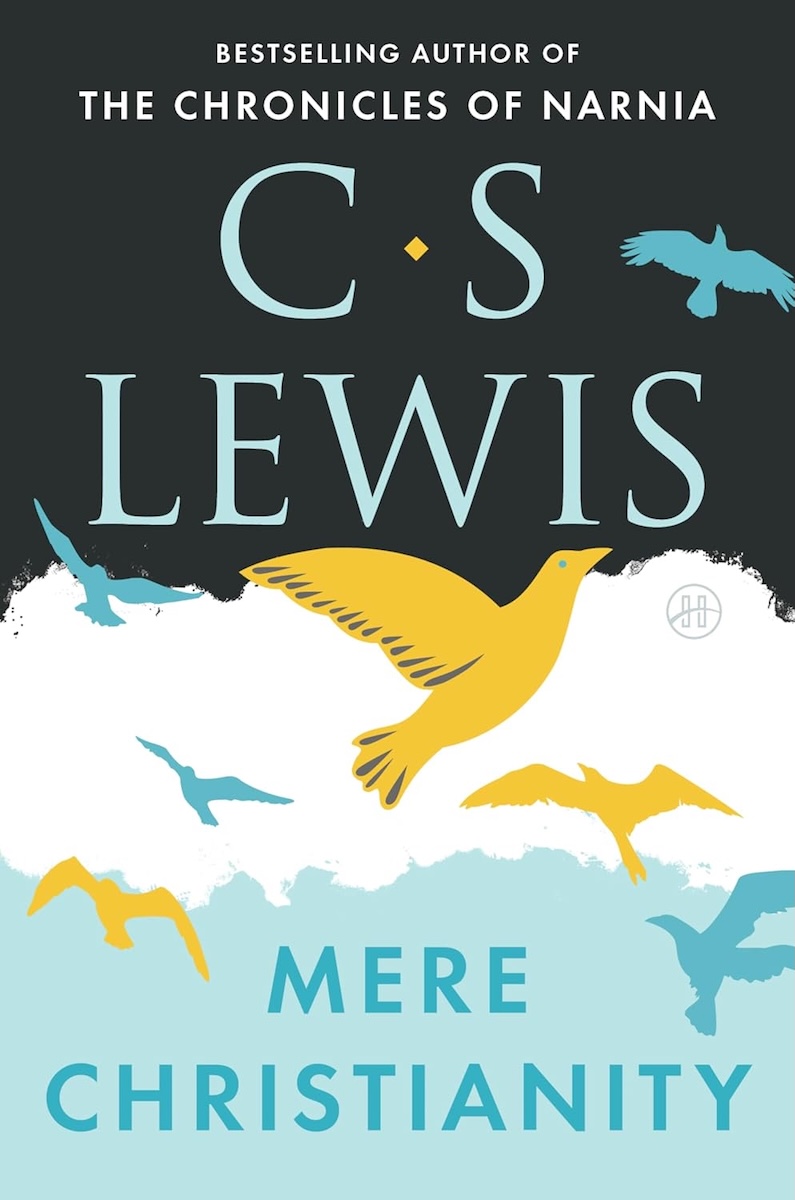
In particular, it highlighted a passage from the book “Mere Christianity,” written by C.S. Lewis, whose work I deeply admire and recommend (you can see my selection of his non-fiction titles here). In the chapter titled “Faith,” Lewis writes:
Make some serious attempt to practice the Christian virtues. A week is not enough. Things often go swimmingly for the first week. Try six weeks. By that time, having, as far as one can see, fallen back completely or even fallen lower than the point one began from, one will have discovered some truths about oneself.
He continues:

Love reading and writing? Submit a post to our blog.
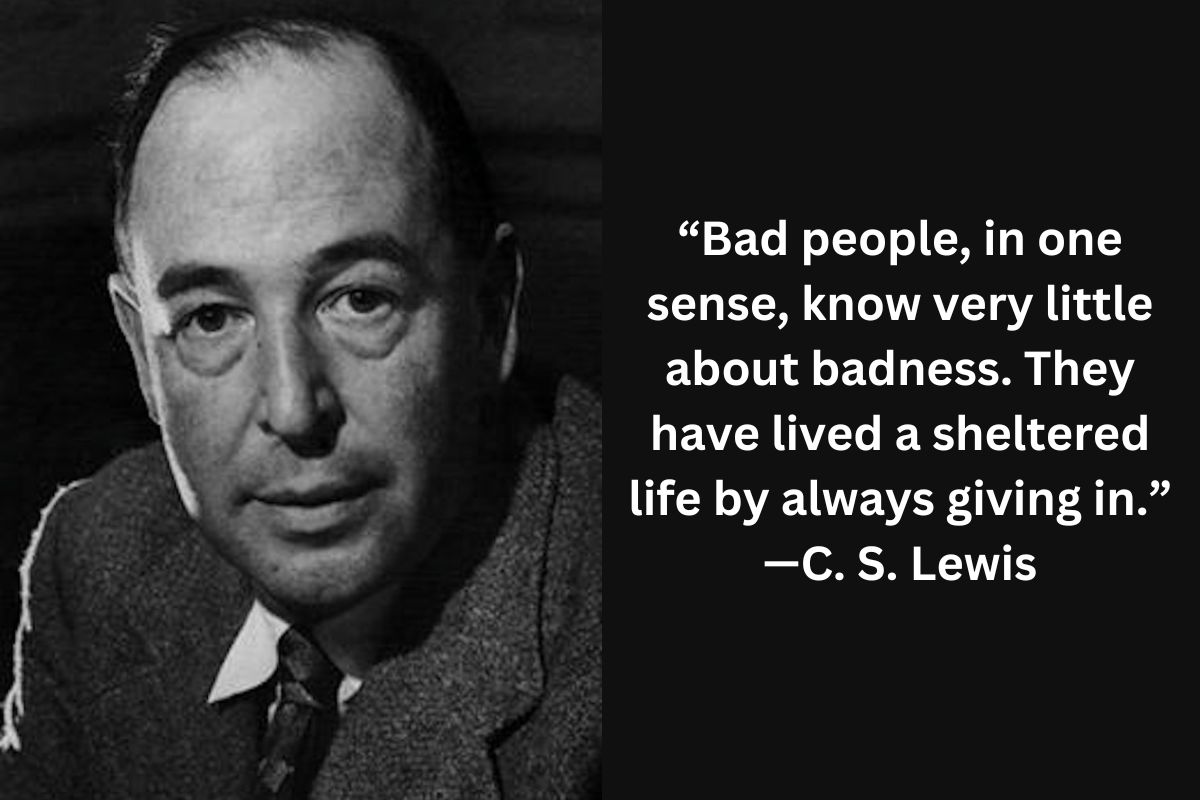
No man knows how bad he is till he has tried very hard to be good. A silly idea is current that good people do not know what temptation means. This is an obvious lie. Only those who try to resist temptation know how strong it is. After all, you find out the strength of the German army by fighting against it, not by giving in. You find out the strength of a wind by trying to walk against it, not by lying down. A man who gives in to temptation after five minutes simply does not know what it would have been like an hour later. That is why bad people, in one sense, know very little about badness. They have lived a sheltered life by always giving in.
In a sentiment that calls to mind Christopher Reed’s assertion that Buddhist precepts “are actually impossible to keep,” Lewis concludes:
We never find out the strength of the evil impulse inside us until we try to fight it: and Christ, because He was the only man who never yielded to temptation, is also the only man who knows to the full what temptation means — the only complete realist. Very well, then. The main thing we learn from a serious attempt to practice the Christian virtues is that we fail. If there was any idea that God had set us a sort of exam, and that we might get good marks by deserving them, that has to be wiped out. If there was any idea of a sort of bargain — any idea that we could perform our side of the contract and thus put God in our debts so that it was up to Him, in mere justice, to perform His side — that has to be wiped out.
Complement this insight from “Mere Christianity,” with our article that asks this question, “Do you really need religion in your life?”

I’m a freelance writer with 6 years of experience in SEO blogging and article publishing. While you’re here, get the latest updates by subscribing to my newsletter.